Tag

Make a difference

Browsing

Walking With my Mom

The Gift of 60

Have you ever heard a man talk about how long he thinks he will live based on the age his father died? I certainly have. In fact, I heard my dad do it for years. Men who lose their fathers often keep one eye on the calendar. As they approach the age their dad was when he died, they naturally begin to wonder what lies ahead.

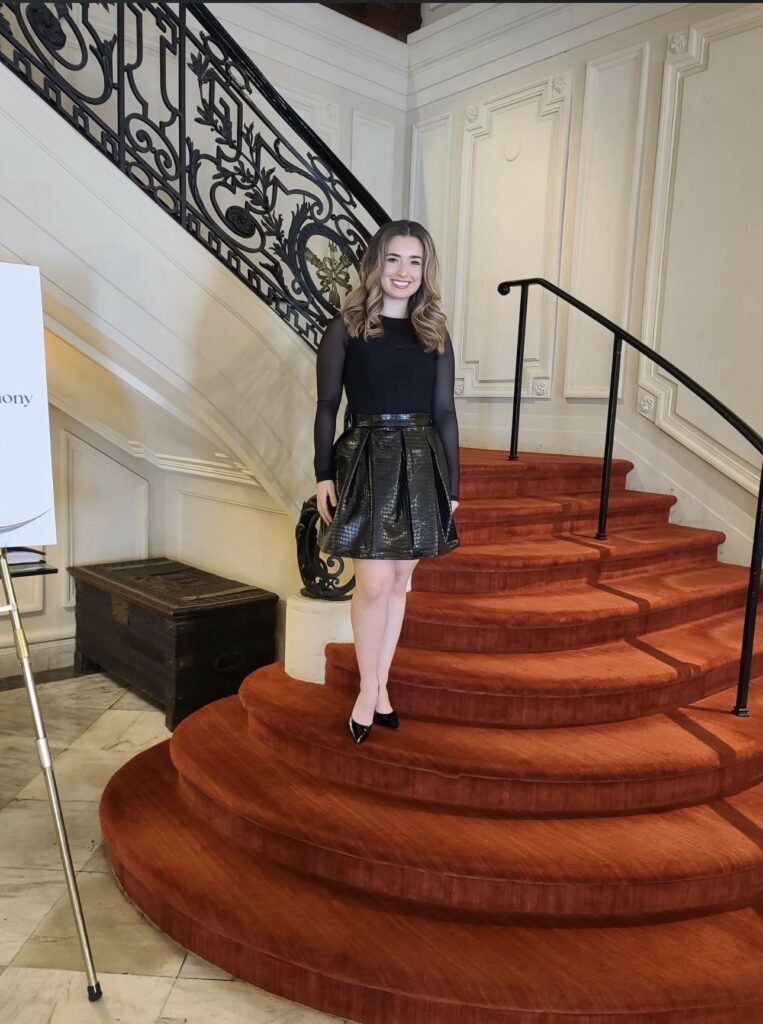
However, I had never heard a woman talk that way. Until now. My mom died at the age of 60. This past week I turned 60. To say that number hasn’t been on my mind would be a lie. For years, I thought this was something only men did. Then suddenly, I found myself standing at the exact age where my mother’s story ended. That realization has stayed with me and made this birthday sit a little different.

Looking Back

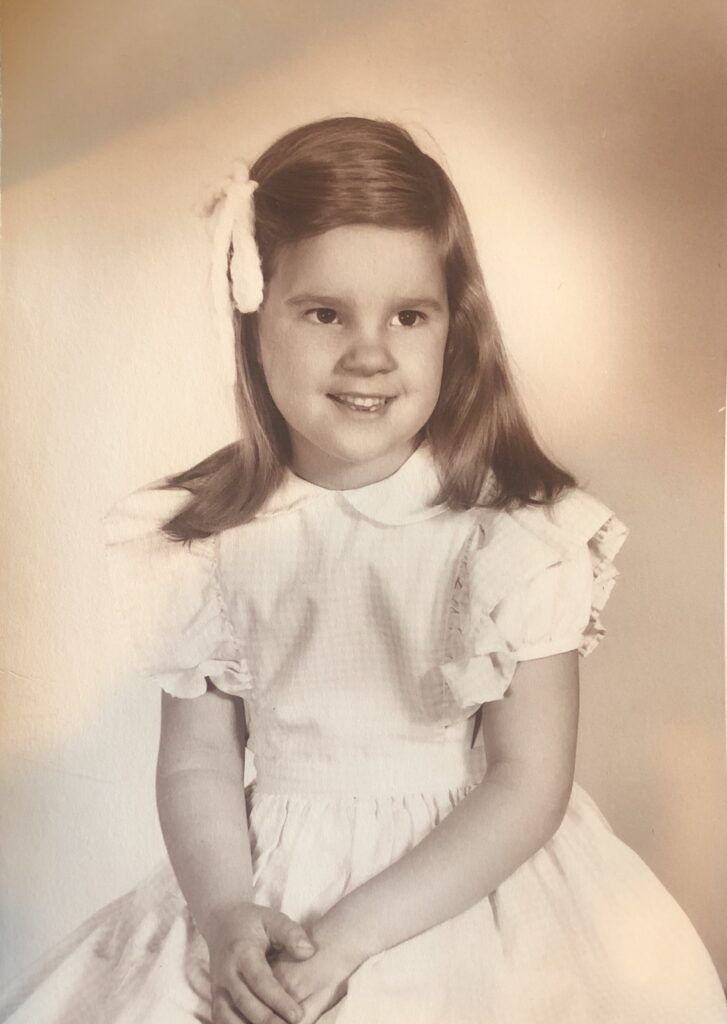
When my mom died, I was only 35 years old. At the time, she didn’t seem old at all. She was a grandmother to three children and was eagerly awaiting the arrival of a fourth grandchild. More importantly, she was thriving.

Joy followed my mother everywhere. She laughed easily, loved deeply, and shared wisdom without ever preaching. Most of all, she had reached a wonderful season of life where she was finally doing what she wanted to do. By then, worries had loosened their grip.

The children were grown. Financial concerns had settled down. Other people’s opinions mattered less. Instead, she focused on what brought her happiness: traveling, working, spending time with friends, and loving her grandchildren. In short, it was finally her time.

Now that I have arrived at this same age, I finally understand what she was feeling. I especially miss her this birthday.

When Time Feels Different

Women spend so much of their lives caring for others. First come the children. Then there are spouses, careers, friendships, volunteer commitments, and eventually aging parents. Meanwhile, the years seem to move faster and faster.

Before long, you wake up and realize you are 60. Something shifts. Suddenly, time feels a little more precious. An alarm bell quietly rings somewhere in the distance. As a result, you start asking different questions.  How many more chances will I have to ski, hike, travel, laugh, and explore?

Perhaps that is why turning 60 feels different. It isn’t really about the number. Instead, it is about recognizing that time is a gift. I am reminded of that old soap opera opening: “Like sands through the hourglass, so are the days of our lives.”

At this stage, there is clearly less sand in the top half than there is in the bottom. Therefore, paying attention feels more important than ever.

Choosing Adventure

Age isn’t a number. Rather, age is an attitude. Even more than that, age is energy.

Each day gives us a choice. We can stay comfortable, or we can keep growing. We can sleep in, or we can get up before sunrise and walk with friends. We can avoid risk, or we can choose adventure. Unfortunately, comfort can quietly become a habit.

Even after tearing my calf while skiing this year, I still cannot wait to get back on a mountain. Recovery has been slow. Some days have been frustrating. Nevertheless, I would rather risk getting hurt doing something I love than spend my life sitting on the sidelines. That choice matters.

Interestingly, my mother lived the same way.

Whether it was walking the Rose Bowl with girlfriends at dawn, swimming in a cold lake, or saying yes to another trip, she kept choosing life. While many people slow down, she leaned in. As a result, she showed all of us what was possible.

Walking With My Mom

I spent ten days walking the Camino de Santiago. Throughout the journey, thoughts of my mother were never far away. In fact, I felt her presence almost every day.

During difficult climbs, I thought about her strength. Whenever my legs were tired, I imagined her cheering me forward just as she always had. Because of that, the trip became far more than a physical journey. It became a gift.

Perhaps the cord between parent and child is never truly cut. Even after death, something remains. Love remains. Memory remains. Connection remains. As I walked through Portugal and Spain, that connection felt stronger than ever. Although she was not physically beside me, I felt her encouragement in countless moments.

Without question, that was one of the greatest gifts of turning 60.

The Gift Is This

After all the reflection, the lesson feels surprisingly simple:

Live.

Not someday. Not when the timing is better. Not when the to-do list is finished.

Live now.

Feed your soul. Nurture your spirit. Call the friend. Take the trip. Watch the hummingbird. Eat the good bread. Furthermore, don’t rush through the small moments. Enjoy the blue sky. Listen to the song you love. Savor a great conversation. Laugh a little longer than necessary.

Those gifts are all around us.

Unfortunately, we are all moving too fast to notice. The Camino reminded me to slow down. It taught me to listen more carefully, notice more deeply, and appreciate more fully. Although daily life makes that harder, the lesson remains the same.

Slow down. Pay attention. Find joy. Choose gratitude. Most importantly, choose life.

My mother’s journey ended at 60. Mine feels like it is just beginning.

As I step into this new decade, I am not focused on how much sand remains in the hourglass. Instead, how I want to make every grain count. Because if turning 60 has taught me anything, it is this: Life is precious and life is short. Joy is available, if we look for it. And every single day is an invitation to fully live. The choice is ours….

CHARITY MATTERS.


YOUR REFERRAL IS THE GREATEST COMPLIMENT,  IF YOU ARE SO MOVED OR INSPIRED, WE WOULD LOVE YOU TO SHARE AND INSPIRE ANOTHER. If you enjoyed today’s episode, please connect with us:

Copyright © 2026 Charity Matters. This article may not be reproduced without explicit written permission; if you are not reading this in your newsreader, the site you are viewing is illegally infringing our copyright. We would be grateful if you contact us.
Episode 105: Ripple Effects Artists

What if art wasn’t just something we experienced but something that moved us to act? This week’s Charity Matters episode introduces you to Jessie Fahay, a true “Ripple Effects Artist” who is transforming the way we think about theater, storytelling, and service. Jessie doesn’t just create powerful productions ….she creates experiences that spark conversations, challenge perspectives, and connect audiences directly to the people and causes working to change our world. Her work sits at the intersection of art and advocacy, reminding us that when we feel something deeply, we have a responsibility to do something with it.

Jessie’s journey is a beautiful example of what happens when passion meets purpose. From performing in meaningful productions like The Diary of Anne Frank to asking herself the life-changing question, “What is my life actually for?” She found a way to use her gifts to elevate others. In this inspiring conversation, Jessie shares how one idea turned into a 15-year movement, the lessons she’s learned along the way, and why even one small ripple of action can create lasting impact. This episode will leave you thinking differently about the power of creativity and your own ability to make a difference.


Here are a few highlights from our conversation:

Charity Matters: Tell us a little about what Ripple Effects ARTISTS does?

Jessie Fahay: We are predominantly a theatrical production company, but what makes us unique is that everything we produce is rooted in purpose. We create theater and sometimes film or radio plays, that raise both awareness and funds for human rights organizations and advocates.

After every production, we host talkback conversations which are panels that feature leaders whose work directly connects to the themes of the show. So it’s not just about experiencing art and walking away. It’s about engaging, asking questions, and creating a space where audiences can connect what they’ve just seen to real-world action.

Charity Matters: What experiences did you have as a child that influenced your work?

Jessie Fahay: There wasn’t just one moment….it was really a collection of experiences that shaped me.

One of the most impactful was touring as an actor with The Diary of Anne Frank. It was an educational production for students, and after every show we would have these deep, thoughtful conversations about prejudice, bigotry, and history. I saw firsthand how powerful theater could be not just as entertainment, but as a catalyst for dialogue and understanding.

Then there were experiences in high school, like when Columbine happened. We did a production called Bang Bang You’re Dead, which explored the root causes behind school violence. That was another moment where theater wasn’t just art but it was a way to process, question, and try to understand the world.

And living in New York, I’ve had the privilege of seeing incredible theater. Shows like The Normal Heart left me emotionally undone…..but more than that, they left me wanting more. I didn’t want the experience to end when I walked out of the theater. I wanted to keep talking, keep unpacking, and ask, “What now?” That feeling stayed with me.

Charity Matters: What was the moment you knew you needed to act and start Ripple Effects ARTISTS?

Jessie Fahay: It really came down to a question someone asked me: What is your life actually for? That question changed everything. It shifted me from thinking about what I wanted to do to thinking about what I was here to contribute.

I realized I understood powerful theater. I knew what meaningful storytelling looked like, and I also knew there were incredible nonprofit organizations doing important work that needed a platform. And it just clicked. I could bring those two worlds together.

All of my past experiences funneled into that moment. It wasn’t just one play or one experience, it was everything combined. But that question gave me clarity. It gave me direction. It made me see that this wasn’t just a career idea it was my contribution.

Charity Matters: What are your biggest challenges?

Jessie Fahay: In the beginning, the biggest challenges were simply figuring everything out. The logistics, the paperwork, how to even become a nonprofit….it’s a lot. We didn’t officially incorporate until 2013, even though we started in 2009. And beyond that, you have to be okay wearing a lot of hats. You’re an entrepreneur, a producer, a fundraiser, a marketer…..you’re everything.

You’re constantly pitching, not just a product, but a mission. You’re asking people to give their time, their money, their energy. You’re building something that depends on other people believing in it. And that’s both the challenge and the beauty of it. You’re constantly connecting people to something bigger than themselves. But it takes resilience, and it takes a willingness to keep going even when it’s hard.

Charity Matters: What fuels you to keep doing this work?

Jessie Fahay: It’s the moments when I see the model actually work. When we have a talkback after a show and the audience is engaged and when you can feel that something has landed, that something has sparked…..that’s everything.

It might be a small theater, it might be a modest audience, but when people get it, when they connect the dots, there’s nothing better than that. It’s similar to what teachers describe when a student finally understands something. That moment of clarity, that moment of connection….that’s what fuels me.

Charity Matters: When do you know you have made a difference?

Jessie Fahay: We’ve actually looked at some data, and about 5% of our audience takes immediate action during the show…..signing petitions, committing to volunteer, or deciding to donate. But beyond the numbers, it’s those connections that matter.

It’s when someone discovers an organization they’ve never heard of even though it’s right in their own city and decides to get involved. It’s when people from completely different worlds come together and realize they care about the same issue.

That’s when I know we’re making a difference…….when awareness turns into action, even in small ways.

Charity Matters: Tell us what success you have had and what your impact has been? 

Jessie Fahay: We’ve been doing this for over 15 years, and we’re heading into our 17th season. That alone is something I’m incredibly proud of. We’ve created a model where art and advocacy work together…..where theater becomes a platform for real-world impact.

We’ve helped bring visibility to organizations that people didn’t even know existed. We created spaces where audiences don’t just consume art, but engage with it and act on it. And while the numbers matter……the attendance, the funds raised, the actions taken…..it’s really about those moments of connection. Those are the true measure of success for me.


Charity Matters: If you could dream any dream for your organization, what would that be?

Jessie Fahay:  I would love to see Ripple Effect Artists on a Broadway stage…..creating work that is not only artistically excellent, but also deeply impactful. But beyond that, the bigger dream is that this model becomes something widely adopted—that the arts and advocacy become more deeply connected across all disciplines.

There is so much powerful art being created, and there is so much important advocacy work happening. Bringing those two together creates something even more meaningful. I truly believe that can elevate both the credibility of the arts and the reach of advocacy. That’s the vision.

Charity Matters: What life lessons have you learned from this experience?

Jessie Fahay: One of the biggest lessons is that this work isn’t for everyone…..and that’s okay. Not everyone wants to engage with heavy, thought-provoking theater. Not everyone wants to be involved in this kind of work. And I’ve learned not to try to convert people.

If I could go back and tell myself anything, it would be: don’t spend so much energy trying to make people fit. Let them find their own path, and focus on finding the people who align with yours. That shift would have saved me a lot of time and energy.

Charity Matters: How has this journey changed you?

Jessie Fahay: This journey has required me to grow in ways I didn’t expect. I’ve had to learn how to embody different energies…..to be compassionate and open-hearted, but also strong, clear, and sometimes firm.

Running a nonprofit means making tough decisions, setting boundaries, and leading with clarity. You can have a big heart and still be a strong leader. And I’ve also learned to meet people where they are and to accept what they can give, without expectation or judgment.

At the end of the day, this work has made me more resilient, more grounded, and more committed to the idea that we all have something to contribute. And when we find what that is, and give it away, that’s when real change happens.

CHARITY MATTERS.


YOUR REFERRAL IS THE GREATEST COMPLIMENT,  IF YOU ARE SO MOVED OR INSPIRED, WE WOULD LOVE YOU TO SHARE AND INSPIRE ANOTHER. If you enjoyed today’s episode, please connect with us:

Copyright © 2026 Charity Matters. This article may not be reproduced without explicit written permission; if you are not reading this in your newsreader, the site you are viewing is illegally infringing our copyright. We would be grateful if you contact us.
Episode 104: The Power of Sight

What if the moment that changed your life… became the reason you changed someone else’s?

In this week’s Charity Matters Podcast, Episode 104: The Power of Sight, we meet Gianny Cardenas, founder of Power of Sight, a mobile nonprofit bringing vision care directly to underserved communities. But this story is about so much more than glasses. It’s about loss, faith, and the unexpected way purpose can emerge from pain. After the tragic loss of his mother, Gianny found himself searching for healing and what he discovered was that by helping others see, he began to see his own life differently.

This powerful conversation is a reminder that sometimes the greatest impact begins with simply noticing and seeing a need, seeing a person, and choosing to act. From serving over 20,000 people to transforming the lives of children who can finally see clearly for the first time, Gianny’s journey will inspire you to ask: What am I being called to see? Because one small act of awareness can lead to one life-changing act of kindness…and that is how we change the world, one person at a time.


Here are a few highlights from our conversation:

Charity Matters: Tell us a little about what Power of Sight does?

Gianny Cardenas: Power of Sight is a 501(c)(3) faith-based nonprofit organization, and what we do is bring optometry and vision services directly to the community. We’re a mobile nonprofit, so we go to where the need is; to schools, churches, and community events. Then we provide eye exams and glasses, often on the same day.

A big part of our work is in Title I schools. We screen entire student bodies, and statistically about 25% of students will fail those screenings. Those are the students we bring back for full eye exams with licensed doctors. What makes us unique is that we don’t just diagnose, we solve the problem right there. We have a mobile lab, so students can choose their frames and leave with glasses the same day.

At the end of the day, it’s about removing a barrier. Something as simple as a pair of glasses can change a child’s ability to learn, their confidence, and their future.

Charity Matters: What experiences did you have as a child that influenced your work?

Gianny Cardenas:  I’ve been in the optical world for over 20 years. It was actually one of my first jobs out of high school while I was in college. I worked part-time at a corporate optometry office, and one of my tasks was to call families who had received vouchers from the Lions Club for free eye exams.

No one wanted to make those calls, but I remember doing it and hearing the excitement from parents and grandparents. They were so grateful just to get their kids in for an exam and glasses. At the time, I didn’t realize it, but that experience stayed with me.

Looking back now, I can see how that planted a seed. Just hearing how much something so simple meant to people, it impacted me more than I knew at the time.

Charity Matters: What was the moment you knew you needed to act and start Power of Sight?

Gianny Cardenas:  There was definitely a moment, but it came through a lot of pain first.

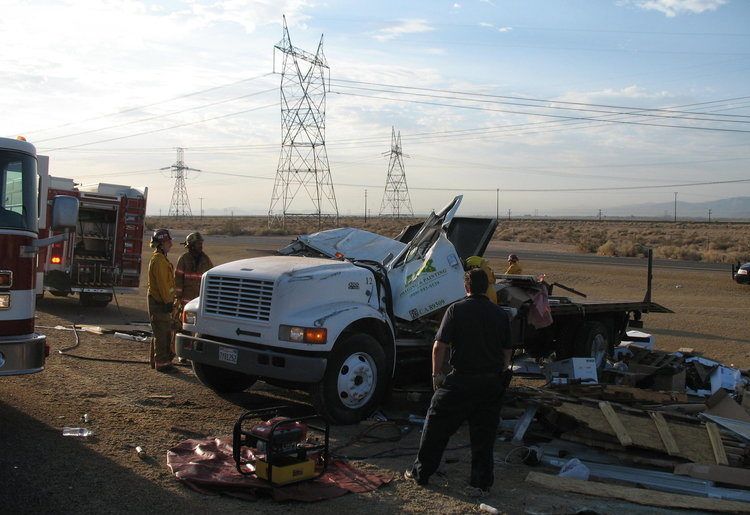
In 2016, my mom passed away in a tragic accident. She was one of 13 people who died in a bus crash. She was the backbone of our family, and losing her changed everything for me. I fell into depression, anxiety and everything you can think of. I tried therapy, medication, different ways to cope, but nothing really filled that void.

Eventually, I reconnected with an old pastor who helped me through that time. Through prayer and faith, I started to feel peace again. And when that shift happened, I began to see the world differently. Relationships mattered more. People mattered more. Everything looked different.

A couple of years later, I told my wife, “Why don’t we start a nonprofit?” I had always thought about it, but this time it felt real. I wanted to combine everything I knew about optical work with my faith and bring it into the community. In 2020, we started Power of Sight with about 100 donated frames and no doctors—just a vision to serve.

Charity Matters: What are your biggest challenges?

Gianny Cardenas: There are a lot of challenges, especially starting in 2020 during COVID. At first, it was just trying to figure out how to balance everything; my full-time job, my family, and starting a nonprofit.

My wife has been with me from the beginning, and we’ve built this together. We travel a lot for clinics, and we actually homeschool our daughters so they can be with us. Finding that work-life balance has been one of the biggest challenges, but also one of the biggest blessings.

On the operational side, there’s a lot people don’t see…..the insurance, costs, staffing, working with schools, compliance. A lot of it came out of my own pocket in the beginning. I didn’t know if we’d have donors or sponsors. We just moved forward by faith.

Charity Matters: What fuels you to keep doing this work?

Gianny Cardenas:  For me, it’s my faith in God. That’s where I get my strength.

When we started, I thought we’d maybe do one event a month and help 50 people. But it’s grown into something much bigger. We now have staff, 25 doctors, partnerships with school districts and it’s expanded beyond what I expected.

What really fuels me are the moments when we’re serving people. Seeing a child put on glasses for the first time or a parent’s reaction and that’s everything. Those moments remind me why we’re doing this.

Charity Matters: When do you know you have made a difference?

Gianny Cardenas: There was one moment that really stayed with me.

We were at a school, and my dad, who comes with me to clinics, noticed a young girl who reminded him of one of my daughters. She had never had an eye exam before, and her prescription was extremely high. She couldn’t really see the world clearly.

Her mom was emotional and asked if she could get a backup pair of glasses. We said yes, of course. When my dad gave her the glasses, the mom just hugged him and started crying. That was the first time I had seen my dad emotional since my mom passed.

Later that day, I told my wife that everything we had gone through…..the process of starting the nonprofit, the expenses, the challenges and it was all worth it for that one moment.

Charity Matters: Tell us what success you have had and what your impact has been? 

Gianny Cardenas: In the last five years, we’ve helped over 20,000 people and provided 20,000 pairs of glasses. That’s a huge milestone for us, especially considering where we started. But beyond the numbers, the real impact is in the lives we’re changing.

When a child can see the board for the first time, their confidence improves, their grades improve, and their whole experience in school changes. There are studies that show students can improve academically just from getting glasses. We’ve also responded to community needs in crisis situations. During the fires in Altadena and Pacific Palisades, we mobilized quickly and helped 1,200 people with vision care in just six days.

Impact isn’t just numbers…..it’s those individual stories and moments.

Charity Matters: If you could dream any dream for your organization, what would that be?

Gianny Cardenas:  My dream is to be in every school district in California and eventually expand nationwide.

Our program is scalable. Once we have the doctors, equipment, and partnerships in place, we can serve thousands more children. There are so many students right now who are undiagnosed and untreated, especially in underserved communities.

If we can reach them, we can change their future.

Charity Matters: What life lessons have you learned from this experience?

Gianny Cardenas: One of the biggest lessons I’ve learned is the importance of communication.

I used to be someone who worked behind the scenes. But in this work, you have to communicate your story, your mission, what you’re doing. Whether it’s with donors, partners, or the community, communication is key. It also applies personally. During my grief, opening up and talking about what I was going through was a big part of healing.

Another lesson is realizing that you don’t know everything, and that’s okay. I’ve had to rely on professionals such as; attorneys, accountants, mentors….and build a team.

Charity Matters: How has this journey changed you?

Gianny Cardenas: The biggest change happened after losing my mom and growing in my faith. That’s what shifted my perspective and changed how I see the world. But since starting the nonprofit, I’ve also changed in how I approach responsibility. We now have staff, doctors, and families who depend on this work. That’s something I don’t take lightly.

It’s made me more intentional, more transparent, and more focused on doing things the right way. At the same time, I see it as a blessing……to be able to serve others and create opportunities for people to provide for their families through this work.

CHARITY MATTERS.


YOUR REFERRAL IS THE GREATEST COMPLIMENT,  IF YOU ARE SO MOVED OR INSPIRED, WE WOULD LOVE YOU TO SHARE AND INSPIRE ANOTHER. If you enjoyed today’s episode, please connect with us:

Copyright © 2026 Charity Matters. This article may not be reproduced without explicit written permission; if you are not reading this in your newsreader, the site you are viewing is illegally infringing our copyright. We would be grateful if you contact us.
May the FORCE be with You

In a world often filled with noise, division, and overwhelming need, it’s easy to feel small and like one person can’t possibly make a difference. But the truth is, we can. Not by changing the whole world in one grand gesture, but by choosing, moment by moment, to be a force for good. Since this is the month of May it seems like a good time to reflect upon the force within each of us.

Being a force for good doesn’t require perfection, wealth, or extraordinary talents. It begins with empathy, the willingness to see and feel someone else’s pain and to respond with love. It’s found in everyday choices: the kindness we show to a neighbor, the time we give to someone in need, the forgiveness we extend even when it’s hard. It’s those small acts that, over time, ripple outward, creating real change. Service doesn’t have to be complicated to be meaningful. Sometimes the simplest gestures are the most powerful.

Each week on the Charity Matters Podcast we interview extraordinary humans who start nonprofits. None of theses founders set out to do this work but something happened along their journey that inspired them to serve. Max Page a young boy born with a congenital heart defect who played “Little Darth Vader” in a famous Super Bowl commercial. Despite countless surgeries and hospital stays, Max and his family turned their pain into purpose. They began advocating for children’s health, raising money and awareness for causes that had once touched their own lives. Max’s courage and generosity remind us that being a force for good isn’t about age or experience…it’s about heart. Max knew about being a force for good.

We all have a story. Some of our stories are marked by loss, trauma, or failure. But those experiences can become the very fuel we need to help others. That’s what Carolyn Blashek discovered. After trying to help a heartbroken soldier during the early days of the Iraq War, she felt called to do something more. She started Operation Gratitude, sending care packages and handwritten letters to military members. Her response to one person’s pain has since touched over 3 million service members. Carolyn’s story shows that when we act from the heart, even the most personal moments can ignite a movement.

Each of these stories teaches us something essential: we don’t need to wait for the perfect time or the perfect version of ourselves to make a difference. We just need to begin. Service is a journey, not a destination. Along the way, we discover more about who we are and what we’re capable of. We find connection in unexpected places. And we realize that the very act of giving not only helps others…..and it changes us.

When we step outside of ourselves and serve, we begin to heal. We begin to understand that we’re not alone, that our lives have meaning beyond our individual circumstances. We find purpose in the shared humanity of helping one another and a call to see ourselves not just as individuals, but as part of something bigger.

So how do we start? We begin by paying attention….. by noticing the lonely neighbor, the friend going through a hard time, the child who needs encouragement. Then we offer what we have…..a listening ear, a helping hand, a small donation, or simply our time. We act not because we have to, but because we want to be part of the solution.

Being a force for good doesn’t mean saving the world. It means showing up, again and again, with love. Being a force for good means choosing kindness even when it’s inconvenient. It means believing that every person matters and that includes ourselves. When we give from that place, we discover the magic that happens when one life touches another.

The truth is, you already have everything you need to be a force for good. Your story, your pain, your joy, your heart, they are your tools. The question is not whether you can make a difference, but whether you’re willing to try. And if you are, then you are already well on your way.

Because changing the world doesn’t start with a grand plan. It starts with you. May the force be with you.

CHARITY MATTERS.


YOUR REFERRAL IS THE GREATEST COMPLIMENT,  IF YOU ARE SO MOVED OR INSPIRED, WE WOULD LOVE YOU TO SHARE AND INSPIRE ANOTHER. If you enjoyed today’s episode, please connect with us:

Copyright © 2026 Charity Matters. This article may not be reproduced without explicit written permission; if you are not reading this in your newsreader, the site you are viewing is illegally infringing our copyright. We would be grateful if you contact us.
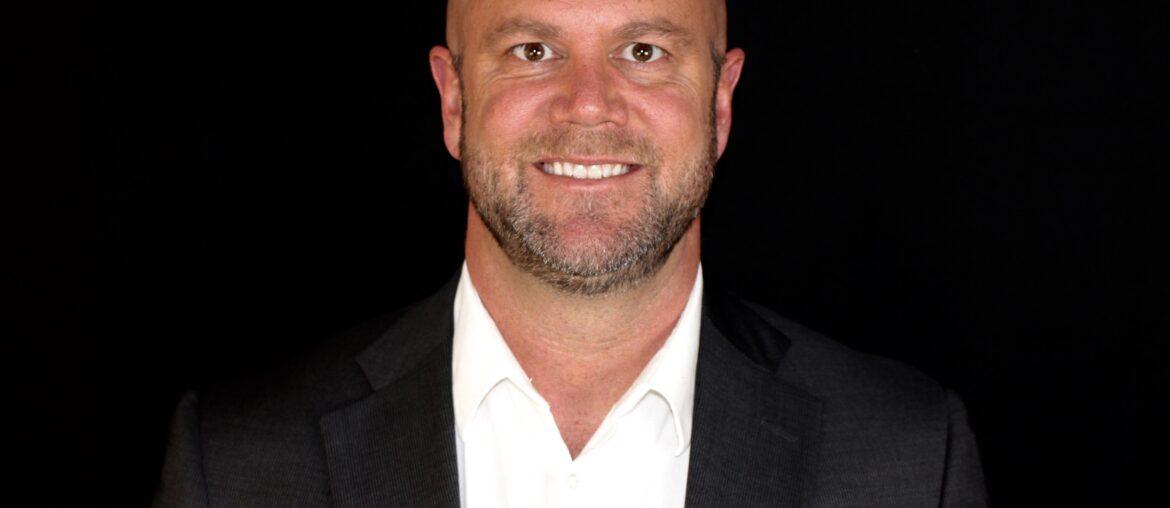
Episode 103: Walk with Me Brother

Some stories ask you to listen. Others ask you to feel. And then there are the rare ones, like this one, that ask you to walk alongside them. This week on the Charity Matters Podcast, you’ll meet Robb Pollard, a husband, father, entrepreneur, and now the founder of Walk With Me Brother, who is about to do something extraordinary. On Monday, Robb began a 2,500-mile run across America…..not because he’s a runner, not because it’s easy, but because he knows what it feels like to be at the very bottom and wonders if his journey might help someone else choose to stay. This isn’t about miles. It’s about meaning. It’s about one man’s decision to turn pain into purpose and to remind us all that asking for help might be the bravest step we ever take.

By the time this episode airs on Thursday, Robb will already be on the road one step at a time, inviting all of us to come with him. His story is raw, honest, and deeply human. It’s about mental health, about breaking the silence so many men carry, and about the power of simply showing up for one another. If you’ve ever wondered how one person can make a difference, this conversation will stay with you. Because sometimes, changing the world doesn’t start with a grand plan …it starts with one step… and the courage to take it.


Here are a few highlights from our conversation:

Charity Matters: Tell us a little about what Walk With Me Brother does?

Robb Pollard:  Walk With Me Brother is a mental health nonprofit, but I try not to overcomplicate it. At its core, it started with one simple goal: help one person. If I could save one person from taking their own life (most likely a man) then everything I’m doing is worth it.

That’s really it. That’s the mission.

People talk a lot about mental health awareness, but the truth is, we’re already aware. We know what mental health is. What we’re trying to do is take action…real action to prevent suicide. For me, that means creating connection. It means building a brotherhood where people feel safe enough to talk, to open up, to not feel alone.

The run across America is part of that. It’s a way to get attention without destroying myself. It’s a way to show people, especially men, that there is another option. That you can ask for help. That you can choose a different path.

If I have to run 2,500 miles to reach one person, then it’s worth every step.

Charity Matters: What experiences did you have as a child that influenced your work?

Robb Pollard:   I grew up in a small town in England, and it was very community-driven. Everyone knew each other. Neighbors looked out for one another. It wasn’t nonprofit work in the formal sense, but it was people helping people.My grandmother, my Nan, had a big influence on me. She always used to say, “No matter what you’re going through, there’s always someone worse off than you.” That stuck with me. It gave me perspective early on.

As I got older, I naturally gravitated toward helping where I could. When I lived in Shanghai, I worked with an animal rescue and ended up fostering over 100 dogs. I also spent time with an orphanage, which was pretty eye-opening.

But even then, I never thought I’d start a nonprofit. I just thought I’d support causes, donate money, do my bit. Looking back now, all those experiences were shaping me. They were laying the groundwork for something bigger….I just didn’t know it at the time.

Charity Matters: What was the moment you knew you needed to act and start Walk With Me Brother?

Robb Pollard: The moment everything changed was when I said three words: I need help.I couldn’t even say it out loud at first. I had to write it in an email to my family. But that was the turning point. I knew that nothing was going to change unless I did something different.

I’d been struggling for a long time with my mental health, with addiction, with feeling like I was never enough. And even when I got sober, there was still that voice in my head. I knew eventually I’d crack if I didn’t do something drastic.

Then I went through ketamine infusion therapy, and during one of the sessions, I had this vision of myself running across America. It wasn’t about ego. It wasn’t about proving anything to anyone else. It was about doing something so big that people would notice and in noticing, maybe they’d realize there’s another way. That idea stuck with me. I couldn’t ignore it.

And once it was there, I knew I had to follow through. That’s when it shifted from just a personal challenge to something bigger….a mission. That’s when Walk With Me Brother really began.

Charity Matters: What are your biggest challenges?

Robb Pollard: I definitely underestimated how hard this would be. Starting a nonprofit is no joke. There’s no clear roadmap, and everything takes more time, more effort, and more consistency than you think. Fundraising alone is a massive challenge we’re trying to raise around $80,000 just to support the run.

Then there’s building the right team. The people around you have to believe in the mission. A lot of the people helping right now have personal stories of loss, struggles, experiences with mental health and that’s what drives them. On a personal level, the biggest challenge is balancing everything. I have a business, a wife, kids, a life. And I’m about to step away from that for a long time to do something that’s physically and mentally demanding.

There are moments where I think, “What am I doing?” But once you commit to something like this, there’s no backing out. You just have to keep going.

Charity Matters: What fuels you to keep doing this work?

Robb Pollard: What keeps me going is the thought that someone might still be here because of this. Maybe a kid still has his dad. Maybe a parent still has their son. That’s what I hold onto.

And then there’s my own family. My kids might not understand this right now, but one day they will. I want them to see that you can push yourself beyond what you think is possible. That you can do hard things.

There’s also something personal in this for me. I’ve never really felt proud of myself. This is about changing that. It’s about proving to myself more than anyone that I can do something meaningful.

Charity Matters: When do you know you have made a difference?

Robb Pollard:  If one person chooses to stay because of this, then I’ve made a difference.

That’s success to me. It’s not about numbers, followers, or how much money we raise. It’s about impact. One life is enough.

Charity Matters: Tell us what success you have had and what your impact has been? 

Robb Pollard:  We’re still early in the journey, but already I’m seeing the impact. People are reaching out. They’re sharing their stories. They’re opening up in ways they haven’t before. That alone tells me this is needed.

The real impact will come over time. We’re building something bigger than just the run it is a community, a brotherhood, a place where people can talk without judgment. We’re also working on future initiatives things like providing access to support for people who can’t afford it, creating local walking communities, and bringing in ideas that have worked in other countries.

This isn’t a one-time event. This is the start of something much bigger.

Charity Matters: If you could dream any dream for your organization, what would that be?

Robb Pollard: The dream is to create a system where no one feels like they have nowhere to turn. I want Walk With Me Brother to become a community….something people can plug into anywhere. Walks, conversations, meetups. Real connection.

I’d love to see it grow across the country and beyond. I want to go into schools, especially high schools, and talk to young men. If we can reach them early and show them it’s okay to ask for help, we can change outcomes.

Long term, I’d like to create access to real support whether that’s therapy, resources, or just someone to talk to. Something practical, not just awareness.

Charity Matters: What life lessons have you learned from this experience?

Robb Pollard: The biggest lesson is that asking for help isn’t weakness it’s strength. There is always someone out there who will help you. You just have to ask.

I’ve also learned that nothing changes unless you change something. You can’t stay stuck and expect things to get better. And I’ve learned how important it is to have the right people around you. This isn’t something you do alone. The people involved in this all have a connection to the mission. That matters.

Charity Matters: How has this journey changed you?

Robb Pollard: It’s already changing me, and I know the biggest changes are still to come.

I’m someone who’s always been very family-oriented, very comfortable at home. This is pushing me way outside of that. Being away from my family is going to be one of the hardest parts. Physically, it’s going to be tough. But mentally, it’s going to be even tougher.

At the same time, I know that if I can do this, I’ll come out stronger. I’ll know what I’m capable of. And more than anything, I’ll know that I tried to make a difference. Even if it’s just for one person.

Because at the end of the day, that’s all this has ever been about.

CHARITY MATTERS.


YOUR REFERRAL IS THE GREATEST COMPLIMENT,  IF YOU ARE SO MOVED OR INSPIRED, WE WOULD LOVE YOU TO SHARE AND INSPIRE ANOTHER. If you enjoyed today’s episode, please connect with us:

Copyright © 2026 Charity Matters. This article may not be reproduced without explicit written permission; if you are not reading this in your newsreader, the site you are viewing is illegally infringing our copyright. We would be grateful if you contact us.
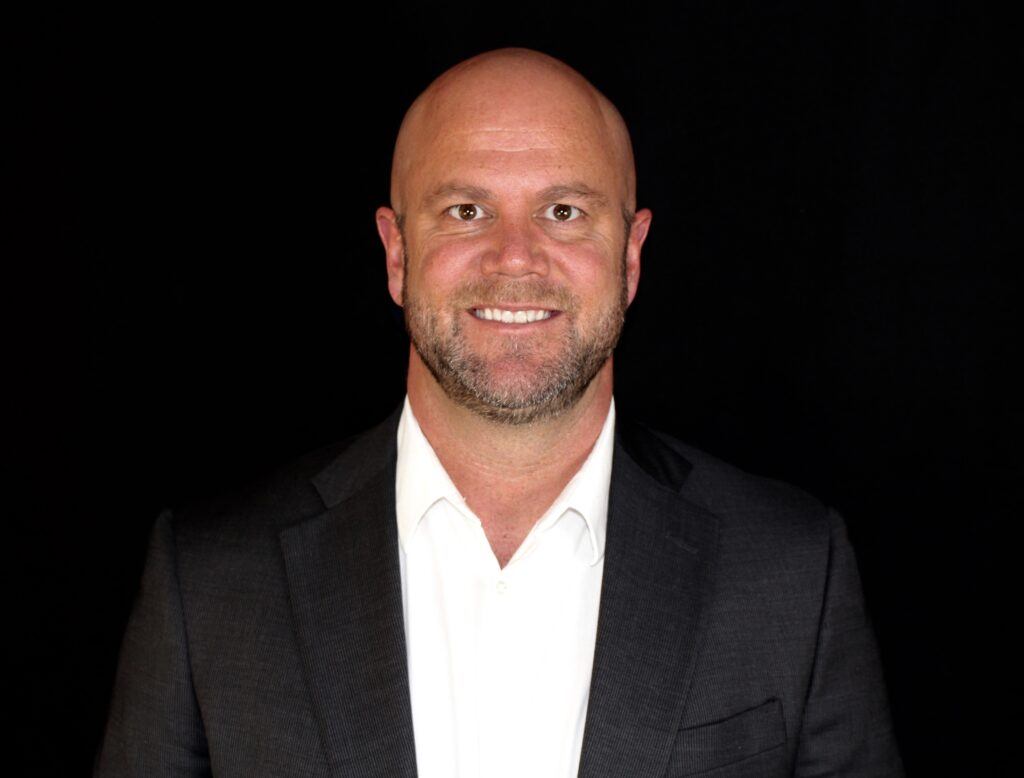
Episode 101: Sleep in Heavenly Peace

Most of us tuck our children into bed each night without giving it a second thought. A warm blanket, a pillow, a place to rest….these simple comforts feel like basic parts of life. But what if you discovered that thousands of children in communities just like yours don’t have a bed at all? That realization changed everything for Luke Mickelson. What began as a small Christmas project in his garage with a few teenage boys and a power drill has grown into a global movement dedicated to making sure no child sleeps on the floor.

In this powerful episode of the Charity Matters Podcast, Luke shares the unforgettable moment that opened his eyes to the hidden crisis of child bedlessness and the little girl named Haley whose first bed changed the trajectory of his life. From one bunk bed to more than 425,000 beds delivered to children around the world, Luke’s story is a beautiful reminder that sometimes the simplest acts of kindness create the biggest ripple effects. This conversation will inspire you to look at the world a little differently and maybe even pick up a hammer and help change a child’s life.


Here are a few highlights from our conversation:


Charity Matters: Tell us a little about what Sleep in Heavenly Peace does?

Luke Mickelson:  Sleep in Heavenly Peace started as a family Christmas project in a garage, and now it’s a 501(c)(3) nonprofit that’s been around since 2012. Our main and only mission is to see that no kid sleeps on the floor in our town. Of course, we want “our town” to be everybody’s town. So what we do is build and deliver twin beds and bunk beds for kids ages three to seventeen.

The name came around Christmas time, and it really fulfilled two things. It’s what we wanted those kids to feel like when we left, and it had a little tie to the one person we know who didn’t have a bed when He was born. It’s simple, but that’s the whole idea: no kid should be sleeping on the floor.

Charity Matters: What experiences did you have as a child that influenced your work?

Luke Mickelson: The answer is absolutely and not really. What I mean by that is I grew up in a very small town—about 4,000 people. The beauty of growing up in a small town is you know everybody. The crappy thing is, you know everybody. But because you rub shoulders with people everywhere you go, you learn to support each other. I didn’t know any different. That built a desire in me to want to help people. That’s just what you did.

I also grew up most of my school years with my mom as a single parent. There were five of us kids. We didn’t have much. I remember one Christmas, right after my parents divorced, I was pretty sure we weren’t going to have much at all. I went out to the mailbox for my mom, and there was an envelope with $1,500 in it. We knew where it came from. We knew it was our community, people who had donated. Those are the things that happen in your community that change you.

So I didn’t grow up thinking, “I’m going to be philanthropic.” I just grew up in a place where helping each other was normal. I played sports, was team captain, student body president, and I loved being involved. I loved big groups, loved people, loved serving. It was ingrained in me.

I’ve always felt that if there’s one common denominator among all of us, it’s that we’re human. We’re all just humans. Deep down, I think all of us have some desire to help our own. I had a mission president tell me once: if you want to enjoy your career, look at it as a way of service. That stuck with me. If you show up looking at your work as service, it changes everything.

Charity Matters: What was the moment you knew you needed to act and start Sleep in Heavenly Peace?

Luke Mickelson: I was about thirty-five, and on paper my life looked great. I had a good job, had moved into the corporate office as executive vice president of sales and marketing, was coaching my kids, serving in church, and even planning to buy the business. Everything looked awesome. But internally, there was a hole being developed in my heart. It was a slow erosion over a couple of years, and even though I’m a happy, service-oriented guy, I could feel myself slipping.

Then one night at church, a family was mentioned, and in passing someone said, “The kids don’t have beds.” I stopped her. “Wait a minute, what?” She said they were sleeping on the floor. It hit me like a two-by-four. I went home, drew up a simple bunk bed plan off my daughter’s bed, got the boys together, and we built one. Delivering that bed filled something in me instantly. A few days later, when my own kids were asking for another Xbox, I walked straight to the garage and said, “I’ve got leftover wood. I’m going to build another bunk bed, and you’re going to come help me.”

We didn’t know who to give that second bed to, so I posted it online. What stunned me was how many people responded and how many knew children sleeping on floors, couches, pallets, anywhere but a bed. Then I met Haley, a six-year-old girl who had never slept in a bed, only in the backseat of her mom’s car. When I saw the pile of clothes in the corner where she slept, I almost lost it. But when we put her bed together, she hugged it, kissed it, and her mom stood there crying. That’s when I knew this was way more than a bed.

On the drive home, I told my buddy, “No kid can sleep on the floor in my town if I have anything to do with it.” That Christmas we built and delivered 21 beds. There was no going back.

Charity Matters: What are your biggest challenges?

Luke Mickelson: When you’re passionate about something, passion can be contagious, but it can also act like a bulldozer. You gain friends and you lose friends. Some people wanted to keep it local, and I was thinking, “No, I need to do this.” That’s hard.

Another challenge was my job. Every vacation, every spare minute I had, went to helping the charity grow. My employer saw that this wasn’t slowing down. Eventually my boss sat me down and basically said, “I know you. This isn’t going to stop. You either quit the charity and go to work, or quit work and go do your charity.” At the time it was hard, but it was a gift.

And then as we grew, the challenge became scale. We could build beds fast, but delivering them, organizing volunteers, funding chapters, building a structure that’s real work. Even now, the need is huge. There are 155,000 kids on our waiting list, and we only geographically cover 27% of the United States. That means most of the country still doesn’t know child bedlessness is even a thing.

Charity Matters: What fuels you to keep doing this work?

Luke Mickelson: I live by this mantra: if you want true joy, stop looking at yourself and see how you can help someone else out. Your problems won’t go away, but they won’t seem nearly as heavy.

That’s what this work did for me. It filled something in me that nothing else had. I didn’t care about the paycheck anymore. I didn’t care about the zeros behind it. What fueled me was knowing this mattered. I also had support at home. My wife at the time supported me, and not everybody would support someone saying, “Hey, I’m quitting my job and we’re going to sacrifice for a while.” But she knew this was what made me happy.

Then the mission got a megaphone. Mike Rowe’s Returning the Favor aired our story to 10 million people. We went from seven chapters to 125 in a year. CNN Heroes, Good Morning America, People Magazine….all of it furthered the mission. But at the center of it, what fuels me is still the same thing: helping one kid at a time.

Charity Matters: When do you know you have made a difference?

Luke Mickelson: I knew right there in Haley’s room. When a little girl hugs and kisses a bed, and her mom is crying because for six years she hasn’t been able to give her daughter that, you realize this is way more than furniture.

A bed means physical rest, mental peace, dignity, security, and a sanctuary. These kids sleep better, go to school better prepared, and feel like they matter. They can have friends over. They’re not hiding their lives. So when I see a child’s face, or a parent’s tears, I know we’ve made a difference.

And honestly, I also know it every time a volunteer delivers a bed and comes back changed. The mission helps the child, but it changes the person serving too.

Charity Matters: Tell us what success you have had and what your impact has been? 

Luke Mickelson: We started in 2012 with one family Christmas project. We made it a charity in 2014 because we couldn’t finance it ourselves anymore. By the end of 2017, we had seven active chapters in five states. Then after Mike Rowe’s show aired, it exploded.

Now we’ve trained over 440 chapters in four countries. We’re in almost every state, and this year we’ll pass 425,000 beds built and delivered. We’re the largest bed-building charity in the world. That’s remarkable, especially when you realize I found only one other charity in the country doing this when I first looked.

The success is huge, but the impact is still one child at a time.

Charity Matters: If you could dream any dream for your organization, what would that be?

Luke Mickelson: The dream is simple: that no kid sleeps on the floor. Right now 70% of the country still doesn’t know who we are. I want every family, every teacher, every counselor, every foster agency, every church, every volunteer to know there is a solution.

If someone’s sister in Miami has a child sleeping on the floor, I want them to know exactly where to go. I want chapters everywhere. I want awareness everywhere. I want this epidemic to stop being invisible.

Charity Matters: What life lessons have you learned from this experience?

Luke Mickelson: I’ve learned a lot about people, about passion, and about myself. Skill set matters, but passion matters more. I’ve learned the value of people’s hearts.

I’ve also learned that founders have to grow. Your role has to shift if you want the mission to outlive you. That’s hard, because your mission and your identity get fused together. But growth isn’t loss. Growth is legacy.

And I’ve learned that tiny moments matter. We dismiss them too easily. We think, “I don’t have time,” or “Someone else will do it.” But those little moments of inspiration can become something massive if you act.

Charity Matters: How has this journey changed you?

Luke Mickelson: A million percent it changed me. I value success differently now. I used to think success was the stuff you had and the zeros behind your paycheck. I don’t believe that anymore.

I believe more deeply than ever in humans helping humans. I wish everybody would adopt that. We’re all human first. If we could put differences aside or even celebrate differences….we’d be so much better off.

And maybe the biggest thing is this: I can now step back and see that if I died tomorrow, the mission would keep going. As a founder, that’s one of the greatest gifts you can ever have.  It means what started in a garage as one family Christmas project became something bigger than me.

CHARITY MATTERS.


YOUR REFERRAL IS THE GREATEST COMPLIMENT,  IF YOU ARE SO MOVED OR INSPIRED, WE WOULD LOVE YOU TO SHARE AND INSPIRE ANOTHER. If you enjoyed today’s episode, please connect with us:

Copyright © 2026 Charity Matters. This article may not be reproduced without explicit written permission; if you are not reading this in your newsreader, the site you are viewing is illegally infringing our copyright. We would be grateful if you contact us.
February is all about heart

January gets all the attention. New calendars. Fresh planners. Big resolutions written in bold ink. We step into the New Year fueled by hope, energy, and the belief that this will be the year everything changes.

And then February arrives quietly.

The decorations come down, the confetti is swept away, and real life settles back in. The gym crowds thin. The lists get tucked into drawers. And yet, this is exactly when the real work begins.

February is Heart Month. And not just in the medical or nonprofit sense, though that matters deeply. February is the month that invites us to pause, look inward, and ask a far more important question than What do I want to do this year?

It asks: Who do I want to be?

February is the month of love. Valentine’s Day reminds us of romance, connection, and affection but the deepest kind of love is not always wrapped in red paper and ribbon. Sometimes love looks like honesty. Often it looks like courage. More than that love looks like choosing to change patterns that no longer serve us.

This is the month to take stock.

By now, we have enough distance from January to tell the truth. Which goals still feel aligned? What goals were fueled by pressure instead of purpose? Which dreams are whispering instead of shouting and refuse to go away?

February doesn’t demand grand gestures. It invites quiet commitment.

In the nonprofit world, February is also Heart Month, a reminder of why so many of us do this work in the first place. We don’t show up to change the world because it’s easy. We show up because something in our heart tells us we must. Because injustice, suffering, or loss has touched us personally. Because love compels action.

And that’s the connection February offers us all.

Real change for good rarely happens in loud moments. It happens in the quiet spaces where intention turns into action. Where reflection turns into resolve. Where love becomes something we do, not just something we feel.

February is not about starting over. It’s about recommitting.

It’s about asking:

  • What habits am I willing to protect?

  • Are there boundaries  I need to strengthen?

  • Where have I been rushing past what really matters?

This is the month to check your heart…..not just your pulse, but your purpose.

Are you living in alignment with what you believe matters most?
Do your days reflecting your values?
Are you loving others and yourself in ways that are sustainable?

Winter still surrounds us in February. The pace is slower. The evenings are quieter. Nature itself seems to be resting and preparing. There is wisdom in that.

We don’t always need to do more.
Sometimes we need to become more intentional about how we do what we do.

February gives us permission to stop chasing shiny resolutions and instead nurture lasting change. Small, steady, heart-centered steps. The kind that don’t burn out by March but grow roots that last all year.

In a world that glorifies urgency and noise, February reminds us that transformation often begins softly…ireflection, in love and in choice.

This is the month to lean into compassion.
To forgive yourself for what didn’t stick in January.
Time to celebrate what did.
Then adjust, not abandon your goals.

Because love is patient.
Change is incremental.
And the heart knows the way forward if we’re willing to listen.

So as February unfolds, I invite you to treat it as a gift. A pause. A checkpoint. A heart check.

Let this be the month you choose intention over intensity.
Connection over perfection.
Purpose over pressure.

Because when change is led by the heart, it doesn’t fade with the seasons.

It becomes who we are.

And that is how we truly change for good.

CHARITY MATTERS.


YOUR REFERRAL IS THE GREATEST COMPLIMENT,  IF YOU ARE SO MOVED OR INSPIRED, WE WOULD LOVE YOU TO SHARE AND INSPIRE ANOTHER. If you enjoyed today’s episode, please connect with us:

Copyright © 2026 Charity Matters. This article may not be reproduced without explicit written permission; if you are not reading this in your newsreader, the site you are viewing is illegally infringing our copyright. We would be grateful if you contact us.
World Cancer Day: February 4th

The words, “You have cancer,” change everything.

They change the rhythm of a heartbeat, the meaning of time, the way a family breathes together. Those words change plans and priorities, conversations and calendars. According to data from 2022, more than 20 million people around the world hear those three words each year, and over 53 million people are alive within five years of a diagnosis, still living with and navigating the disease.

There isn’t one person reading this who hasn’t been touched by cancer. A parent, a sibling, a spouse, a friend, a colleague and a neighbor. Cancer is indiscriminate and relentless, and yet, so are the people who rise to meet it with courage, grit, and hope.

Right now, I have three dear friends all young, vibrant, and full of life who are actively fighting this insidious disease. Watching someone you love endure cancer is its own kind of heartbreak. You want to fix it, take the pain away and most of all to do something. When the truth is that so much of it is out of your control. And yet, this is where love lives, in the something we can do.

Next week, on Wednesday, February 4th, the world will pause to recognize World Cancer Day. I’m sharing this early this year with one simple hope: that we use this moment not just to raise awareness, but to take action. Because kindness, support, and connection matter more than we sometimes realize especially to someone walking through cancer.

The Silent Weight of Cancer

Cancer is not just a medical diagnosis. It is emotional. Financial. Spiritual. It brings exhaustion that sleep doesn’t cure and fear that no amount of reassurance fully erases. Cancer affects the patient, yes but also their families, caregivers, and communities.

There are days filled with scans and waiting rooms. Days of good news and days of devastating setbacks and days when the bravest thing someone can do is simply get out of bed. And while survivors often speak of strength, what I have learned again and again is this: strength doesn’t mean doing it alone. Support matters. Being seen matters. Feeling remembered matters.

What Not to Say and What to Do Instead

Many of us want to help, but we’re afraid of saying the wrong thing. So we say nothing. Or we offer vague promises: “Let me know if you need anything.” Here’s the truth: people with cancer are tired. Tired of explaining, tired of asking and tired of being strong.

Instead of waiting, show up with intention:

  • Drop off a meal (or better yet, a grocery or restaurant gift card).

  • Send a simple text: “Thinking of you today.”

  • Offer specifics: “I can drive you to treatment Tuesday” or “I’ll take the kids Saturday.”

  • Sit quietly. Listen. Let them talk or not talk at all.

Sometimes the greatest gift is presence without pressure.

Small Acts That Make a Big Difference

As we approach World Cancer Day, here are tangible ways each of us can support those living with cancer:

1. Support Cancer-Focused Organizations
There are incredible nonprofits providing research funding, patient services, advocacy, and community. A donation large or small that all helps fuel hope. All of these resources below are linked.

2. Give Time, Not Just Money
Volunteer at a hospital. Help with transportation. Babysit. Walk a dog. Cancer steals energy and your time gives it back.

3. Send Comfort, Not Just Cards
Soft socks. Cozy blankets. Journals. A playlist. Small comforts can bring enormous relief during long treatment days.

4. Educate Yourself
Understanding the disease your loved one is facing allows you to be more compassionate and present. Knowledge builds empathy.

5. Honor Caregivers
Caregivers are often the quiet warriors. Check on them. Feed them. Encourage them to rest. They need support too.

The Power of Community

One of the greatest lessons cancer teaches us, if we’re paying attention, is the power of community. No one is meant to walk this road alone. When we show up for one another, we lighten the load in ways medicine alone cannot. I’ve seen how a meal train becomes a lifeline. How a text at the right moment becomes strength. How a prayer, a note, a simple “I’m here” becomes hope.

And hope matters.

Why World Cancer Day Matters

World Cancer Day isn’t just a date on the calendar. It’s a reminder that cancer is a global fight and a deeply personal one. World Cancer Day is a call to compassion, to advocacy and a call to action. On February 4th, wear a ribbon. Share a story. Make a donation. Reach out to someone who is fighting. Do something….anything that says, “You are not alone.”

Because love doesn’t cure cancer but it carries people through it.

A Final Thought

To those fighting cancer: you are seen, you are loved. and you are more than this diagnosis. For those who have lost someone: your grief matters, and your love lives on. And to those who want to help but don’t know how: start small. Start now. Start with love.

This World Cancer Day, let us turn awareness into action, compassion into community, and kindness into healing. Because when we care for one another, truly care, we change the world, one act of love at a time.

CHARITY MATTERS.


YOUR REFERRAL IS THE GREATEST COMPLIMENT,  IF YOU ARE SO MOVED OR INSPIRED, WE WOULD LOVE YOU TO SHARE AND INSPIRE ANOTHER. If you enjoyed today’s episode, please connect with us:

Copyright © 2026 Charity Matters. This article may not be reproduced without explicit written permission; if you are not reading this in your newsreader, the site you are viewing is illegally infringing our copyright. We would be grateful if you contact us.
Christmas Came Early This Year

There are moments in life when the universe seems to wink at you.  Moments when all your hard work, heart, and hustle come full circle in the most unexpected and delightful way. Well friends, that moment came early for me this year. Forget wrapping paper and ribbons, because this year’s Christmas gift came straight from Spotify. And let me tell you, it was wrapped in joy, gratitude, and more than a little disbelief.

When I opened our Spotify Wrapped report for the Charity Matters Podcast, I felt a little like a kid sneaking down the stairs too early on Christmas morning ….. excited, giddy, and totally overwhelmed. There it was in black and green: we’re in the top 5% of podcasts in our category! Cue the sleigh bells and maybe a little happy dance around my office.

I have to admit, I blinked a few times, refreshed the page, and maybe even said a little “Wait, what?” out loud. But there it was again. And as if that wasn’t enough Christmas cheer, the stats just kept on coming:

 Our show’s growth outpaced 64% of all podcasts this year.
 Our listeners stayed tuned in 73% longer than the average show.
Our average rating was 75% higher than other podcasts.
And best of all …. our audience grew by 25%, with our followers growing even more than that!

If this isn’t a Christmas miracle, I don’t know what is?

When I started Charity Matters, it wasn’t about numbers or rankings . Charity Matters is  about storytelling, service and kindness.  It was about shining a light on the helpers, the doers, and the givers who are out there quietly changing the world every single day. What began as a blog over a decade ago just me, a laptop, and a whole lot of heart has blossomed into a community, a conversation, and yes, now a top 5% podcast.

That’s not my doing. That’s you.

You, the listeners who tune in each week while driving to work, folding laundry, walking your dog, or just needing a little reminder that goodness still exists in this crazy world. You, the readers who open each week’s story, share it with friends, and send me messages that remind me why I do this. You, the guests …. the amazing nonprofit founders, the changemakers, the dreamers each who share your stories so vulnerably and powerfully that they ripple far beyond the microphone.

This isn’t my Christmas gift … it’s ours.

When I think about the spirit of Christmas and the real meaning behind it ……Christmas is about love, gratitude, and giving. And that’s exactly what this podcast has become: a community built on giving. Every episode, every interview, every listener who takes an idea and turns it into an act of kindness . Each of you are proof that goodness is alive and well.

And maybe that’s why this milestone feels so personal. Because for me, Charity Matters has never been just a show  but rather  a movement for good. It’s about making kindness and service not just something we do when we have time, but something we live.

When I wrote Change for Good, I shared a line that I come back to often: “When we serve others, we heal ourselves.” That’s what I see in each of you. Every download, every listen, every small act of service that was inspired by one of our episodes  those are all little sparks of healing and hope. Together, we are creating something extraordinary.

Now, I have to confess , I’m a bit of a stats nerd (I know, shocking). But these numbers are more than data points; they’re proof of connection. Proof that even in a world obsessed with negativity and noise, people are still choosing to listen to stories about kindness. Proof that you are hungry …no, starving  for good news, for hope, for inspiration.

And you’re finding it here, week after week.

Our little show that started with a microphone and a mission has found its place in the top 5%. That’s not luck, that’s the result of thousands of ears and hearts choosing to tune in. You’ve made Charity Matters part of your lives, and in doing so, you’ve made me believe even more deeply in the power of storytelling to change the world.

Every time you share an episode, every time you leave a review, every time you tell a friend, “You have to hear this story,” you are helping kindness go viral. You are helping to make service contagious. You are proving that goodness is not only alive but it’s growing, one listener at a time.

So yes, Christmas came early this year. But the real gift isn’t the ranking or the growth or even the shiny Spotify badge (though I’ll admit, that’s pretty fun). The real gift is knowing that we are making an impact  together.

It’s knowing that somewhere out there, a listener heard a story that made them volunteer for the first time. Or donate. Or start their own nonprofit. Or maybe just smile at a stranger. Because that’s how kindness works and it multiplies.

And that’s the mission. That’s the heartbeat of Charity Matters.

As we head into the holiday season, I want to take a moment to simply say thank you. Thank you for believing in this movement for good. Thank you for making kindness a choice, not a coincidence. Thank you for showing up  week after week, story after story to remind me that there are helpers everywhere.

Fred Rogers once said, “Look for the helpers. You will always find people who are helping.” Well, I don’t have to look far.  I see them every time I open our listener stats. I see them in you.

So from the bottom of my heart and from everyone behind the scenes who makes this show possible …thank you for being the heartbeat of this movement.

Here’s to the year ahead. To more stories, more kindness, more connection, and more moments that remind us that change for good always begins with one simple act …. choosing to care.

May your holidays be filled with joy, love, and gratitude. And if you need a little extra holiday spirit, might I recommend scrolling through our Spotify playlist of goodness? You helped build it, after all.

Merry Christmas, my friends. You are the reason Christmas came early this year and I couldn’t imagine a better gift.

CHARITY MATTERS.


YOUR REFERRAL IS THE GREATEST COMPLIMENT,  IF YOU ARE SO MOVED OR INSPIRED, WE WOULD LOVE YOU TO SHARE AND INSPIRE ANOTHER. If you enjoyed today’s episode, please connect with us:

Copyright © 2025 Charity Matters. This article may not be reproduced without explicit written permission; if you are not reading this in your newsreader, the site you are viewing is illegally infringing our copyright. We would be grateful if you contact us.
Episode 96: Mom’s Christmas Stocking

Some stories find us when we need them most. Wendy Strauss’s began with a slip of paper discovered in her late mother’s tidy little office. It was a simple note titled “Mom’s Christmas Stocking,” asking her children to keep filling a stocking for Mom by giving it to a woman who needed “a shot of love.” That tender request became a calling. What started as one timid lunch-hour drop-off blossomed into an annual community tradition that now fills hundreds of beautifully curated stockings for women in shelters, prisons, and recovery programs across New York City, each one a love letter, a reminder that someone sees you and you matter.

As we enter the Christmas season, Wendy’s story reminds us what the holiday is truly about….it’s not the gifts we buy, but the love we give. It’s about connection, kindness, and finding ways to bring light to those who need it most. Through Mom’s Christmas Stocking, Wendy has turned her grief into grace, transforming loss into a legacy of giving. Her journey captures the real spirit of Christmas: that joy multiplies when we share it. If you’ve ever wondered whether one small act can change a life…..or if you’ve needed a nudge to turn love into action, then Wendy’s story will fill your heart and remind you that the greatest gift we can give is love itself.


Here are a few highlights from our conversation:

Charity Matters: Tell us a little about what Mom’s Christmas Stocking does?

Wendy Strauss:  Each holiday season we fill hundreds of Christmas stockings and donate them to a group that distributes them around the five boroughs of Manhattan. Women, often in prisons, rehabs, or shelters receive these beautifully filled stockings to get a “shot of love” and a little holiday joy, women who might not otherwise receive that.

Charity Matters: What experiences did you have as a child that helped shape your giving?

Wendy Strauss:  I was the last of five, so I grew up almost like an only child. My mom had me later in life, and I tagged along as she did a lot of spiritual seeking….yoga and meditation before they were popular. She surrounded herself with younger people, almost mentoring these hippie-type kids who were chanting and meditating. That openness to people who weren’t “the norm” formed my childhood. We were vegetarians when it wasn’t really a thing. She was my role model…open, curious, ahead of the curve. It wasn’t about “giving back” yet; it was about discovery, but that spirit of openness and love was the seed.

Charity Matters: What was the moment you knew you needed to act and start Mom’s Christmas Stocking?

Wendy Strauss:  In 2007 my mom passed away unexpectedly in March. We already had a trip planned for June to see family. We stayed in her house, she’d fixed it up for us and it felt like she was welcoming us even though she wasn’t there. One morning I wandered into her very tidy little office. She was a wonderful writer—so many articles, Historical Society work, family tree research. I picked up a random file folder and a slip of paper fell to the floor. It was titled “Mom’s Christmas Stocking.” It said:

Every Christmas you have always filled a stocking for Mom. I want you to continue to do so. Choose the very things I would love and those you love to give to me. Find someone to give this filled stocking to a woman in prison or in a drug rehab or a homeless center. This is the most precious gift I could receive or that you could give, sharing the love we know with someone who really needs a shot of love. And in this way, I will continue to share your Christmases and continue to be a part of my wonderful family.”

I made copies for my siblings. That Christmas I took it very seriously. I filled one stocking, Googled where to bring it, and found Women In Need. On my lunch hour I brought it over, explained why, tucked in a copy of Mom’s note, and they said they’d find someone to give it to. I went back to work and felt so good the rest of the day. At my evening workout my friends said, “Something’s up,” so I told them and they said, “Next year we’ll all fill stockings.” The following year we did eight. Then 75. It just grew. People wanted to donate more and know how it worked, and eventually I looked up how to become a nonprofit and did the paperwork myself.

Charity Matters: What are your biggest challenges?

Wendy Strauss: Starting anything is hard, and once I became a nonprofit the pandemic hit. I got my determination letter in 2020 and then everything closed. I was filling stockings by myself….Amazon donations came, but no gatherings. Funding is always a challenge. Spreading the word is a challenge. Space is a challenge. We host an annual stocking-stuffing event at the gym where it all began, Grassroots Fitness Project, and that’s a gift, but organizing, storing, keeping things moving when you’re doing it primarily alone is a lot. I’m good at admin, but the bigger we get, the more time those pieces take.

Charity Matters: What fuels you to keep doing this work?

Wendy Strauss: Loss has been part of my story….after my mom passed, we lost my dad; my husband passed in 2014; my brother shortly after. Everyone we encounter has something going on. I know what makes me feel better. A dear friend, who had gone through something horrific, came to one of our events and said, “Wendy, giving is healing.” That became my motto. It is so healing. Yes, the recipients get something, but we get so much in return.

Charity Matters: When do you know you have made a difference?

Wendy Strauss: The feedback is beautiful…..families who look forward to the event every year, friends who never miss. People who moved away now run their own stocking-stuffing gatherings; Massachusetts, Virginia, Maryland, Colorado, and now North Carolina. Local New York businesses and schools do their own events and ship stockings to me. That impact and seeing the seeds become their own gardens is how I know.

Charity Matters: Tell us what success you have had and what your impact has been? 

Wendy Strauss: I try to prioritize quality over quantity. I get pushed on numbers….“How many this year?” The need is so great that providers want to honor as many moms as possible. I do my best. But success, to me, is the community that’s grown around this. The families who plan their December around coming, the kids who love it, the businesses and schools who join in, the chapters springing up in new places. In one or two hours at our New York event we’ll fill 400 stockings and it goes so quickly because so many people show up. The impact is the joy and connection we create, the “shot of love” that keeps rippling.

Charity Matters: If you could dream any dream for your organization, what would that be?

Wendy Strauss: A solid team. A couple of “sugar donors,” I always joke. More space. My vision is a year-round space where the stocking operation is always set up and groups could come in any time to fill stockings, from small gatherings to big parties. People could take them to distribute wherever they’re needed. I love working with other organizations and donating to them when I can, collecting items so I’m ready when someone calls and says, “I need size 9 sneakers.” I like to manifest, so I’m putting this out there.

I’m also learning to ask for help. I’m a do-it-yourselfer, but when I finally asked a friend to help, she said, “I’m so happy you did. I love doing this for you.” I’d love a teenage intern to help with social media. A countdown to the event or the season and those little things make a big difference.

Charity Matters: What life lessons have you learned from this experience?

Wendy Strauss:  Discernment. Everybody has a story and we don’t know it at first glance. Being kind to the worker on the street, saying good morning—those small things matter. They also help me; they soften my shell. People say New Yorkers are tough, but kindness makes the shell flexible. I’ve also learned boundaries—soft ones and hard ones—to help me grow in my life and in the nonprofit. We can only give when our cup is full. The need is always greater than we can meet, so boundaries keep us going.

I’ve planted a lot of seeds. My mom was a wonderful gardener; I’m not, at least not with plants—this is how I garden. I’ve seen growth, and it’s meaningful for so many people that they want to help. That’s beautiful. And I’ve learned that we don’t need that much to be grateful. I’m grateful for the tiniest things now.

Charity Matters: How has this journey changed you?

Wendy Strauss:  I’m not the same person I was in 2007…..I hope not. I want to keep growing. I take care of a lot, but I can do it. With focus, there’s more we can do than we expect and while staying within boundaries. My compassion has grown. I’m an empath, and landing in New York City amplified that, but compassion is universal. Once you open up to other people’s stories and to hearing them and serving them, your understanding deepens. That makes you want to keep helping. It gives you gratitude, and gratitude gives you joy.

Charity Matters: Any closing thoughts….

Wendy Strauss: Giving is healing. That’s the heart of this. My mom’s note was her way of comforting us and staying part of our Christmases. Every stocking is a love letter and something a mom would have loved, passed on to a woman who needs that “shot of love.” It began with one stocking, one note, one person. Now it’s families, schools, businesses, and chapters across the country. I’m grateful for every helper who shows up, every year-round donation, every kind word. Christmas should be all year and it can be, if we keep sharing love.

CHARITY MATTERS.

To Support Mom’s Christmas Stocking visit: momschristmasstocking.com

YOUR REFERRAL IS THE GREATEST COMPLIMENT,  IF YOU ARE SO MOVED OR INSPIRED, WE WOULD LOVE YOU TO SHARE AND INSPIRE ANOTHER. If you enjoyed today’s episode, please connect with us:

Copyright © 2025 Charity Matters. This article may not be reproduced without explicit written permission; if you are not reading this in your newsreader, the site you are viewing is illegally infringing our copyright. We would be grateful if you contact us.
World Kindness Day is tomorrow

“Remember there’s no such thing as a small act of kindness. Every act creates a ripple with no logical end.”    Scott Adams

There are certain days on the calendar that remind us of what really matters ….. not the meetings, deadlines, or endless to-do lists, but the small, quiet acts that connect us to one another. November 13th is one of those days. Tomorrow is World Kindness Day, a beautiful invitation to pause and remember that kindness isn’t just something we do. Kindness is something we are.

In a world that can feel divided and heavy, kindness softens edges, bridges divides, and restores faith in humanity ….one small act at a time. But before we talk about what happens when we are kind, it’s worth looking at how this global movement began, and why now, more than ever, kindness truly matters.

 The History of World Kindness Day

World Kindness Day was first celebrated in 1998, born out of a meeting in Tokyo where kindness organizations from around the world gathered to form the World Kindness Movement. Their mission was simple: to inspire a global culture of compassion, empathy, and connection.

Since that first celebration, the idea has spread to over 30 countries. From Singapore to Switzerland, people gather each November to celebrate humanity’s most universal virtue , kindness. In 2019, the United Nations acknowledged World Kindness Day as part of its ongoing efforts to promote peace and understanding among nations.

This day isn’t about grand gestures or polished campaigns. It’s about the small things …. the smile you share, the door you hold, the text you send. It’s a reminder that we can all change the world just by being a little kinder, every single day.

What Happens When We Are Kind

Science tells us that when we practice kindness, our brains release oxytocin (the hormone that helps us feel connected and loved ) along with serotonin, the natural mood booster that lowers stress and increases happiness. Kindness is literally good for our hearts. It calms anxiety, strengthens our immune systems, and even helps us live longer.

But the magic of kindness goes beyond biology. It changes our spirit.

When we are kind, we shift the focus from ourselves to others. We stop asking, “What do I need?” and start asking, “How can I help?” That shift transforms the energy around us. A single act of kindness can create ripples that reach farther than we’ll ever see.

Kindness is contagious. It creates a chain reaction … one act leading to another and reminding us that, at our core, we are connected.

A Ripple Begins: The Kindness Campaign

That ripple is exactly what happened when I first met Andra Liemandt, the founder of The Kindness Campaign in Austin, Texas. You may remember our conversation from January 2020.

We were both commenting on a LinkedIn post about another nonprofit founder, and as sometimes happens in the magical way of social media, our worlds collided. I was intrigued by her story. Andrea is  a mom, a corporate executive turned drummer for a rock band, and now the founder of a nonprofit dedicated to emotional health. Naturally, I reached out. Our conversation left me deeply moved  and reminded me once again that kindness truly can change the world.

Andra didn’t plan to start a nonprofit. Her journey began after tragedy, when a dear family friend, just 12 years old, took her own life after being bullied. That moment shattered her world. As a mother of two young girls, she was terrified. How could she protect her daughters from feeling unseen or unheard?

In her grief, Andra did something extraordinary. She started a feelings journal with her daughters as a way to open conversations about emotions, to create space for vulnerability and connection. That homemade journal made its way to her daughters’ school. Soon, the principal asked for copies for other classrooms, and before long, word spread. By 2015, Andra officially launched The Kindness Campaign (TKC)  a nonprofit organization dedicated to normalizing emotional health through kindness, empathy, and self-awareness.

Today, TKC serves more than 40,000 students nationwide. What began as one mom’s way of healing has grown into a movement giving families and schools real tools to build empathy, self-worth, and emotional resilience.

When Kindness Becomes Healing

Andra’s story reminds us that kindness isn’t just something we give to others, it’s also a way of healing ourselves. Through her grief, she turned pain into purpose. Her friend’s daughter’s life became a legacy that now helps thousands of children learn how to express, connect, and heal.

One of Andra’s favorite teaching tools is the Magic Mirror. When children look into it, the mirror speaks affirmations like, “You are enough.” It’s a simple yet profound exercise that helps kids see themselves with compassion, something so many of us struggle to do, even as adults.

Andra often says, “What if emotional wounds showed up on our bodies the way physical wounds do? We’d all take this conversation a lot more seriously.” Her work invites us to look deeper, to see the invisible hurts that kindness can heal. Because when people feel seen and safe, empathy grows. And when empathy grows, bullying, anger, and fear begin to disappear.

That’s the real power of kindness. It builds connection, restores trust, and helps people feel that they belong. It’s not a surface-level nicety …. it’s the foundation of emotional health.

 Why Kindness Matters More Than Ever

In a time when loneliness is being called a national epidemic, the need for kindness has never been greater. The Surgeon General recently described loneliness as one of the greatest threats to our health …. as dangerous as smoking 15 cigarettes a day.

But here’s the good news: kindness is the antidote. It’s the simplest, most powerful way to fight isolation and strengthen connection. Every time we extend kindness, we are quietly stitching the fabric of community back together one person and one small act at a time.

10 Simple Acts of Kindness for World Kindness Day

You don’t need to start a nonprofit like Andra did to make a difference. Sometimes, the smallest gestures are the most powerful. Here are 10 simple ways to celebrate World Kindness Day …and to keep that spirit alive all year long:

  1. Smile at a stranger.
    You never know what someone is carrying. A smile can be the light they need to keep going.

  2. Write a note of gratitude.
    Text, email, or mail someone who’s made a difference in your life. Gratitude is the heartbeat of kindness.

  3. Pay it forward.
    Buy coffee for the person behind you in line or leave an extra tip. Tiny acts create big ripples.

  4. Listen deeply.
    Put down your phone. Make eye contact. Let someone feel heard. As Andra says, “Everyone wants to be seen and heard.”

  5. Compliment sincerely.
    Tell someone what you admire about them … not just how they look, but who they are.

  6. Volunteer your time.
    Whether it’s a local shelter, a school, or a senior center …. giving time is one of the purest forms of kindness. My favorite:)

  7. Send an encouraging message.
    If someone’s name pops into your head, reach out. It might be exactly what they needed that day.

  8. Be kind online.
    Use your social media for good … post something uplifting, comment positively, or share a story that inspires.

  9. Forgive someone  or yourself.
    Letting go of anger or self-criticism is an act of radical kindness that frees everyone involved.

  10. Make kindness a daily habit.
    Choose one small act every day. Kindness grows through practice and it always multiplies.

 Changing for Good

World Kindness Day reminds us that every act of compassion …..every smile, every gesture, every word of encouragement  matters. Andra’s story is proof of that. What began as one act of kindness between a mother and her daughters has now touched tens of thousands of lives.

That’s what happens when we choose kindness: we create ripples with no logical end.

So today, and every day, let’s follow that lead. Let’s listen, love, and lead with kindness. Because when we do, we don’t just change someone else’s day  that is how we change for good.

Join the Movement

Kindness isn’t a single day on the calendar … it’s a way of life.
Share your act of kindness this week using the hashtag #ChangeForGood and tag @CharityMatters so we can celebrate the ripple together.

Because when one of us chooses kindness, all of us are lifted.

CHARITY MATTERS.


YOUR REFERRAL IS THE GREATEST COMPLIMENT,  IF YOU ARE SO MOVED OR INSPIRED, WE WOULD LOVE YOU TO SHARE AND INSPIRE ANOTHER. If you enjoyed today’s episode, please connect with us:

Copyright © 2025 Charity Matters. This article may not be reproduced without explicit written permission; if you are not reading this in your newsreader, the site you are viewing is illegally infringing our copyright. We would be grateful if you contact us.
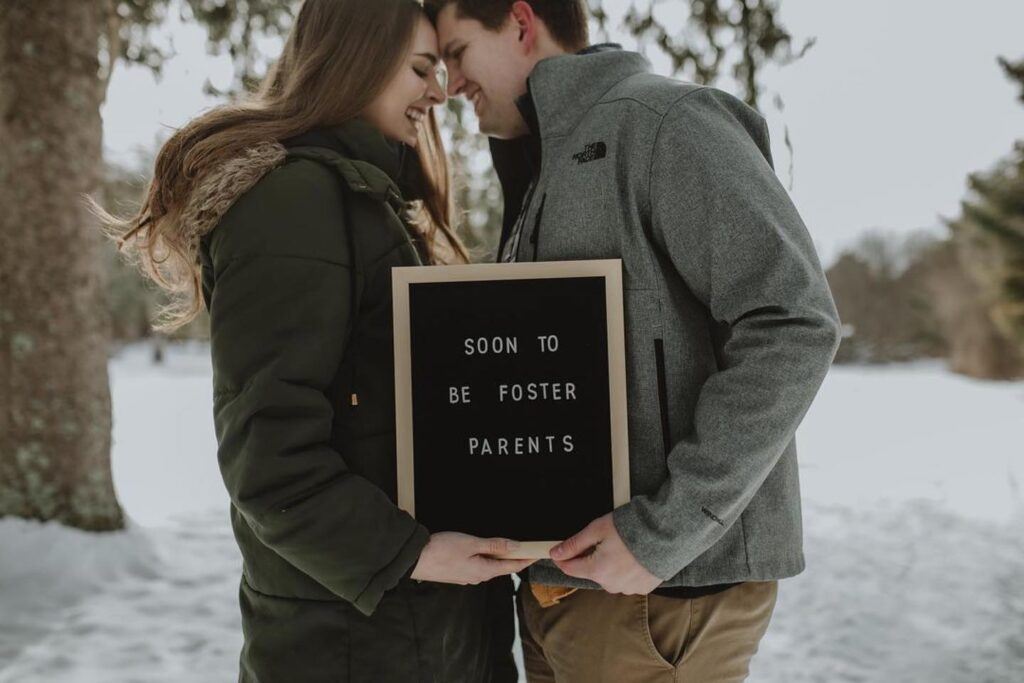
Change for Good: One Year Later

It’s hard to believe that it has been a full year since Change for Good: The Transformative Power of Giving as the Ultimate Cure was released into the world. Like most milestones, this one feels both surreal and sacred. Writing a book is a lot like giving birth…..there is anticipation, fear, excitement, exhaustion, and ultimately, immense gratitude. You spend years nurturing an idea and then one day, you let it go. You release it into the world, hoping it will find its way, touch lives, and maybe, just maybe, make a difference.

When I first began writing Change for Good, I thought I knew exactly what it would be. I had the script all mapped out in my head. the book would be a love letter to service, a guide to kindness, and a collection of stories meant to inspire others to see how small acts can create big change. I imagined how it would be received, what it might spark, and how it might ripple out into the world. But like every parent quickly learns, life rarely goes according to plan. Once the book was out in the world, it became something bigger and more profound than I could have ever imagined. I didn’t dare to dream or ever think it would be an Amazon bestseller in five categories. That one is still hard to believe…

This past year has been filled with gifts I didn’t expect. The book has been a bridge that has connected me to thousands of readers, podcast listeners, and audiences across the country who have reached out to share their stories of how Change for Good touched their hearts. I’ve had the privilege of hearing from people who decided to start volunteering, launch nonprofits, reconnect with their purpose, or simply treat the person in front of them with more compassion. Each message, each encounter, has been a reminder that kindness is contagious and that we are all far more connected than we realize.

What has humbled me most are the stories that have been shared in return. After book talks people often come up to me and say, “I have a story for you.” Then they begin to tell me about the child they lost, the battle they fought, the person they helped, or the act of grace that changed their life. These stories of service and survival, of heartbreak and healing, have been my greatest teachers. Every time I hear one, I am reminded why I wrote the book in the first place. Change for Good reminds all of us that we are not alone. We each have the power to make change for good. That act of giving is truly what binds us together as human beings.

The year has also taught me lessons I didn’t expect…..lessons about patience, faith, and surrender. I’ve learned that once you create something, it’s no longer yours. Like a child growing up and finding their way in the world, Change for Good has taken on a life of its own. The book has been used for book clubs, been quoted in sermons, used in classrooms, referenced in college term papers and leadership programs. My favorite is hearing that the book even sparked discussions at dinner tables. The messages that once lived only in my head and heart is now become part of a larger conversation about service, kindness, and the power of community. That is both humbling and awe-inspiring.

What I didn’t anticipate was how Change for Good would continue to change me. Over the past year, I’ve had to live my own message in new and deeper ways. Writing about kindness is one thing; practicing it daily, especially when life throws challenges your way, is another. There have been moments of exhaustion, doubt, and overwhelm…..times when juggling the nonprofit, the podcast, the blog, and the endless to-do lists felt like too much. But then someone would send a message saying, “Your book inspired me to serve,” or “I needed this today,” and suddenly, I would remember why it all mattered.

The truth is, this book was never just about me….it was about us. It was about shining a light on the helpers, the givers, the people who wake up every day and choose to make the world a little better. It was about telling the stories that too often go untold. And it was about showing that kindness isn’t complicated…..it’s simply love in action.

A year later, I am filled with gratitude for every reader who has shared their journey, for every nonprofit founder who has opened their heart on the Charity Matters podcast, for every person who took the time to send a note, attend a talk, or pass along a story. Each of you has been part of this incredible journey, and each of you continues to remind me that giving truly changes everything.

As I look ahead, I know that Change for Good is still growing, still evolving, and still finding new ways to connect with people. Like any living thing, it’s continuing to breathe and expand through every person who picks it up and chooses to act. My hope is that its message continues to plant seeds of service and compassion that bloom in ways we can’t yet see.

So as I celebrate one year of Change for Good, I’m not just celebrating a book…I’m celebrating the movement it represents. A movement of kindness, of purpose, of community. A reminder that no act of love, however small, ever goes unnoticed. Thank you for being part of this journey, for believing in the power of good, and for continuing to make this world a little brighter…..one act of kindness at a time.

CHARITY MATTERS.


YOUR REFERRAL IS THE GREATEST COMPLIMENT,  IF YOU ARE SO MOVED OR INSPIRED, WE WOULD LOVE YOU TO SHARE AND INSPIRE ANOTHER. If you enjoyed today’s episode, please connect with us:

Copyright © 2025 Charity Matters. This article may not be reproduced without explicit written permission; if you are not reading this in your newsreader, the site you are viewing is illegally infringing our copyright. We would be grateful if you contact us.
It was never about the car

It was never about the car.

When I was a five-year-old kindergartener, I remember so vividly standing outside my school waiting for my mom. That’s when I saw her. This beautiful woman who looked like Jackie Kennedy pulled up to pick up her first-grade daughter. She was radiant. Elegant. Joyful. There was something different about her compared to the other mothers I had seen. She had a light that seemed to radiate from within, the kind of presence that makes you stop and notice. The French call it a je ne sais quoi….that indescribable “it factor.”

I was only five years old, but I knew that I wanted to be like her when I grew up….full of joy, full of grace, and full of that light. Whatever she had, I wanted that.

At five, I didn’t know a thing about cars.  I knew most moms drove wood paneled station wagons and that this mom was different. She pulled up in something beautiful. It was a 1970 280 SE Mercedes convertible. The car was as elegant as she was, and together, they made quite the lasting impression.

I didn’t understand cars, but I did recognize beauty. And I understood dreams. Somehow,  I tucked that moment away. I told myself that one day, I would be like her. I would have little boys, I would pick them up at that same school my dad had gone to, and I would radiate that joy….in that car.

It was one dream, but it came with many layers: the children, the school, the joy, the light and the car. It was a package deal.

Dreams That Stick

As life unfolded, I married, and eventually, I had three little boys. And oh, how those boys loved cars, especially my oldest. Almost every night at dinner, without fail, he would ask me, “Mommy, if you could have any car in the whole wide world, what car would you have?”

And every night, I gave the same answer: the 280 SE. I would tell him the story of how, when I was his age, I saw that car and knew one day I would drive it. We would talk about dreams, about believing in them, and why they mattered.

One night, after hearing the story again, he looked at me with those wise little boy eyes and said, “Mommy, you already have the little boys. We go to that school. All you need now is the car.”

He was right.

But when you’re raising small children, another car…especially one like that…..just isn’t a priority. Truthfully, you never need a car like that. Cars like that are best for dreams.

The Surprise of a Lifetime

As my 40th birthday approached, unbeknownst to me, my husband began searching for the car.  When my birthday came and went, he sheepishly confessed what he had been up to but admitted he couldn’t find one that wasn’t rusted or wildly out of reach financially. I was touched by his effort but never expected such a thing anyway. The moment passed, and life with three little boys rolled on.

By September, our youngest had just started kindergarten. One afternoon, I was on the lawn playing with the boys when I heard the sound of a car coming up the street. My husband pulled up, and I froze. He was driving the car. A black 1970 280 SE convertible, with the blue and yellow original license plates that said, 4 R MA. It was the car I had dreamed of since I was five years old.

I was speechless. How could this be real?

The boys screamed with excitement. My oldest son jumped up and down, shouting, “Mommy! Mommy! Your dream came true!” I will never forget that moment. It wasn’t just about the car. It was about a dream…one I had held onto for 35 years…..that had finally come true.

Dreams don’t always work out like that. Often, life has other plans. But when one does, when you see something you’ve held in your heart since childhood finally come to life, it’s like an out-of-body experience. It affirms something deep inside you: that faith and belief matter. That dreams are worth holding onto.

Mrs. Fink

The very next morning, I piled the boys into the car for school. It was a gorgeous day. With the top down, we could see the ocean shining from the hills. The boys were laughing and I felt the wind on my face. Pulling into that same carpool line with my three little boys in the back of a 280 SE, I felt it. The puzzle piece snapped into place.

It was exactly as I had imagined when I was five.

When I picked the boys up that afternoon, my oldest asked, “Mommy, what are we going to name her?”

The car had a brass plate on the dashboard that read, This Mercedes Benz coach built exclusively for Norma Fink. Without hesitation, I said, “I think we should call her Mrs. Fink.”

And just like that, Mrs. Fink became the sixth member of our family.

From that day forward, “Fink Days” were born. On gorgeous, sunny afternoons, one of the boys would declare, “I think it’s a Fink Day!” and off we’d go. Mrs. Fink taught my boys that joy wasn’t just about big things or trips….it was about noticing and celebrating a beautiful day.

Lessons From an Old Convertible

Mrs. Fink was never perfect. She was well-loved and well-used. Her leather was worn, her engine purred like something out of Chitty Chitty Bang Bang, and she was sticky more often than not from melted ice cream cones. But she was joy on four wheels.

When my husband told me he had ordered license plates BIG 4 0 because the real Mrs. Fink wanted her original license plates back. I decided to write Norma Fink a love letter and I sent it off  with the original license plates and a photo of the boys and me in the car. I told Norma about my childhood dream, how this car had found its way to us, and that I knew I was only her temporary custodian. I promised to love her and care for her until it was time to pass her on.

A week later, I received a letter from Norma. She told me she, too, had been given the car for her 40th birthday. She had filled it with her three daughters and made countless memories. She shared that she had since lost her vision and could no longer drive. But she had put my photo on her refrigerator and found joy in knowing her beloved car was still making children happy. She said she had peace knowing I was meant to be her car’s next custodian.

She was right.

For 20 years, Mrs. Fink was joy in motion. Trips to the beach with sandy feet, drives down the coast, silly carpool karaoke, and family adventures. Whenever life felt heavy, a spin in Mrs. Fink was the cure. She reminded us that life is meant to be lived with joy, with spontaneity, and with gratitude.

When Joy Becomes Memory

As the boys grew older, our drives became less frequent but more intentional. We’d plan lunches in Malibu or Sunday drives with the top down. She was always there, ready to turn an ordinary moment into something unforgettable.

Even during Covid, when the boys returned home from college and the world felt so uncertain, Mrs. Fink brought comfort. “Let’s take her for a drive,” they would say, and off we’d go, circling town with the wind in our hair, letting her magic lift our spirits.

But time has a way of changing things. Mrs. Fink grew more valuable, more delicate. Insurance made it difficult to take her out for ordinary errands. She began collecting dust in the garage. The dog and I were the only one driving her every now and again.

Then last week, my oldest son took Mrs. Fink out when her brakes failed. By some miracle, he guided her safely into a lot. Shaken but safe, strangers helped him out. He later posted a photo of Mrs. Fink on a tow truck with the caption: “Bad day for the Fink but a good day for humanity.” That was Mrs. Fink. Even broken down, she inspired kindness and perspective.

A car collector friend of my sons saw the post and asked about the car. My son told him that Mrs. Fink was his mom’s car and not for sale. The car collector continued to reach out asking about the car and made an offer. After much conversation, we accepted. The realization was the time had come. Just like our children, we are only temporary custodians. We cannot hold onto things or people forever, only our memories. It would be selfish for her to sit and collect dust and not be enjoyed. It was time to share her joy with someone else.

Saying Goodbye

Today, I said goodbye to Mrs. Fink.

As I signed the paperwork, I realized something remarkable: she had arrived on September 22nd, and she was leaving on September 22nd, two decades later. Life has a funny way of coming full circle.

I took her out for one last drive. The sun was shining and it was a gorgous first day of fall.  As the wind whipped through my hair, I whispered my gratitude to her.

Thank you for proving that dreams can come true.
Thank you for the joy, the laughter, and the memories.
Thank you for teaching my boys about spontaneity, gratitude, and joy.

Mrs. Fink was never just a car. She was a dream come true, a member of our family, a teacher of joy, and a symbol of belief. She showed us that life’s most beautiful gifts aren’t always about the thing itself, but about what it represents.

Because it was never about the car.

It was always about the dream.

CHARITY MATTERS.


YOUR REFERRAL IS THE GREATEST COMPLIMENT,  IF YOU ARE SO MOVED OR INSPIRED, WE WOULD LOVE YOU TO SHARE AND INSPIRE ANOTHER. If you enjoyed today’s episode, please connect with us:

Copyright © 2025 Charity Matters. This article may not be reproduced without explicit written permission; if you are not reading this in your newsreader, the site you are viewing is illegally infringing our copyright. We would be grateful if you contact us.
Finding the Light

For almost 15 years every Sunday I have sat down to share a few thoughts. Most weeks the words flow from my fingers and I can’t seem to get my thoughts out quick enough. This week the thoughts are slow. The words are few and I’m still processing so much going on in our world as a larger context as well as in my own.
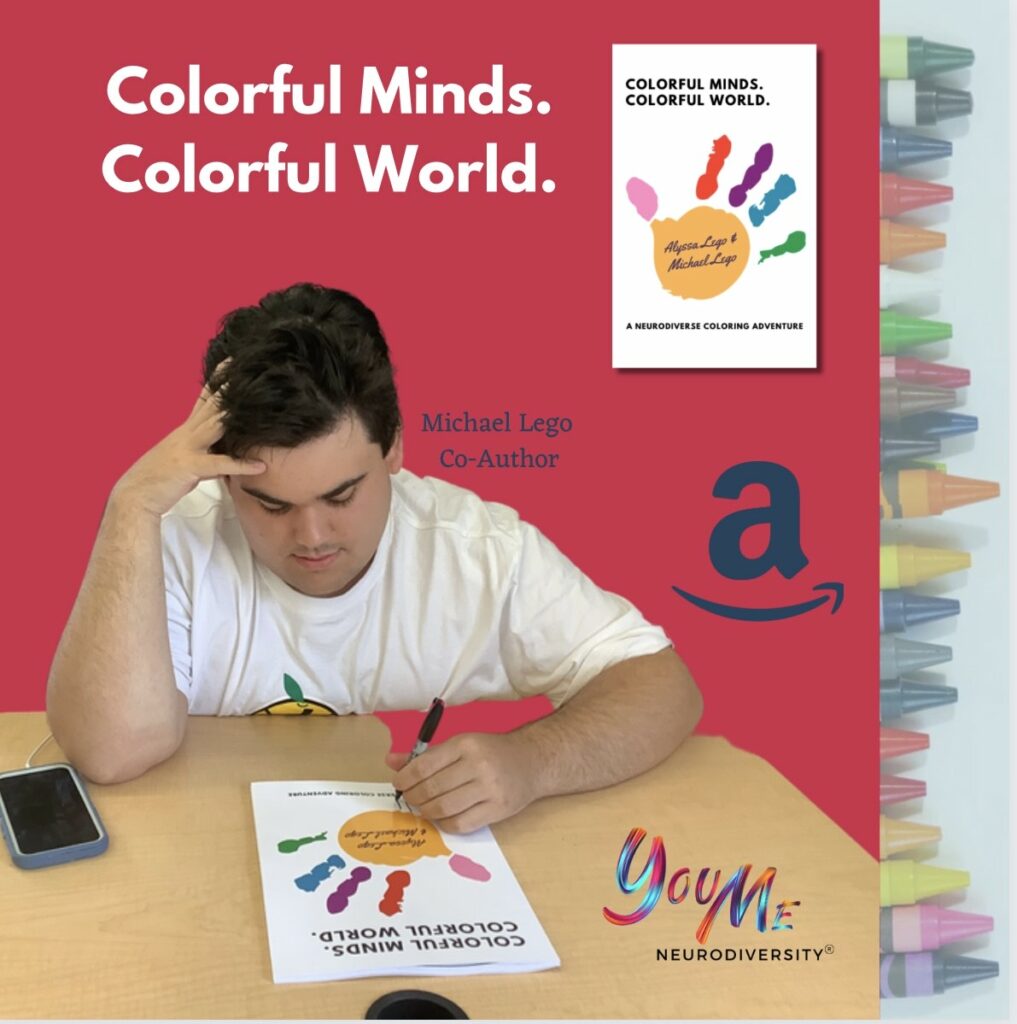
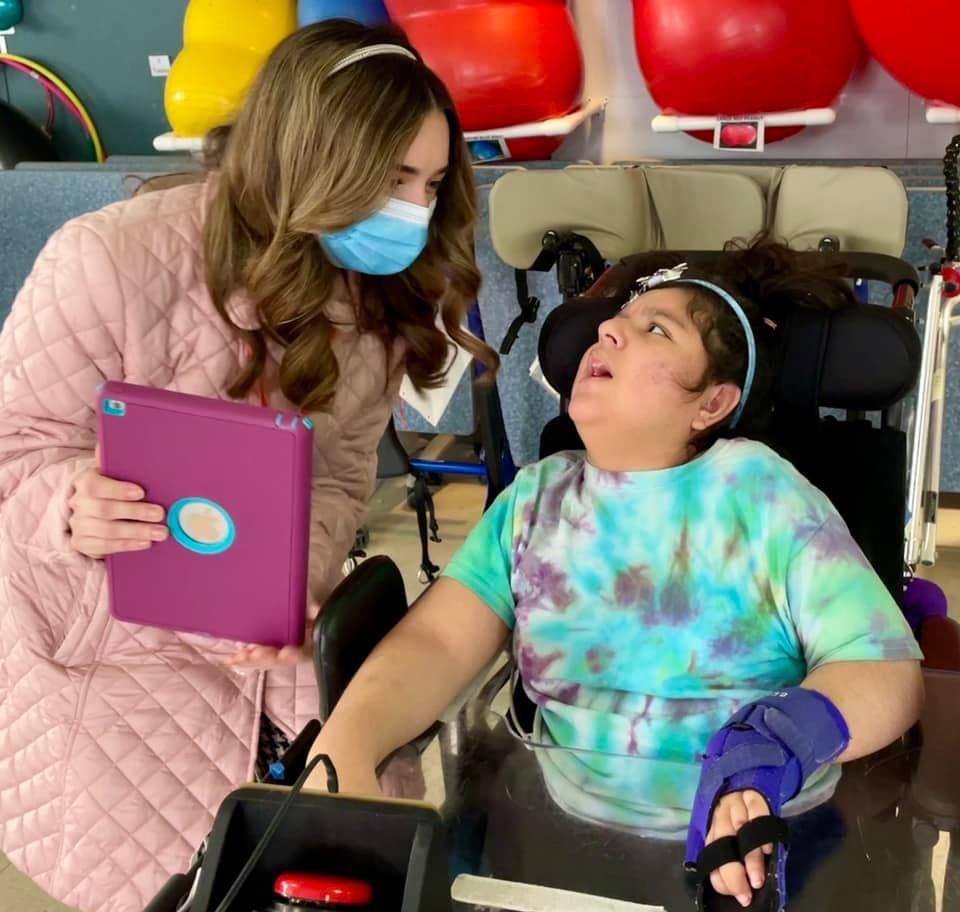
The irony is not lost on me that I wrote a best-selling book Change for Good and yet as I see so much change ahead of me I am scared, excited, nervous and unsure. As I wrote last year, “change always begins with loss.” There is so much loss happening all around me that I struggle to process it all. Those heavy feelings are like walking through mud as you try to make sense of everything. Each step heavy and unsteady because the path is not clear. It is too hard to see and so you trust as you slowly walk each deep and heavy step.

Somehow you believe. You have faith in something bigger. In the kindness of people, in the goodness we show to one another and so you move forward into an unknown place. That faith acts like a flashlight as you navigate a new and unexplored path forward. You have not been this way before. You do not know the way but you have your faith…your flashlight to guide you, to light the way and to bring you from darkness into the light.

When I wrote Change for Good, I never claimed to have all the answers. What I did know then, and what I still know now, is that life guarantees us seasons of change. Sometimes we choose them….like a new job, a marriage, or a move….and sometimes they choose us, whether through loss, illness, or unexpected events. Either way, change asks us to let go of what we know in order to step into what we don’t. That is never easy.

What makes it bearable is the reminder that none of us walks through it alone. In the book, I shared stories of people who took their own moments of heartbreak and used them as a catalyst to create something good. That theme has echoed back to me countless times from readers who wrote to say, “I thought I was the only one.” None of us is the only one. We all walk this muddy road of loss, grief, hope, and renewal. The flashlight we carry……faith, kindness, connection…..is what keeps us going until the ground feels steady again.

Lately, I have been reminding myself of one of the simplest truths I wrote about: kindness heals. When the world feels overwhelming, when the future feels uncertain, when I feel small in the face of so much loss, the antidote is often simple. It is in writing a note to a friend, holding a door open, saying thank you, showing up for someone else. Each small act is a reminder that even in the midst of chaos, we still have power……the power to love, to give, to create light.

That is what Change for Good has always been about. Not grand gestures, not sweeping reform, not changing the whole world at once. It is about the small, intentional acts of love and service that ripple outward in ways we may never see. It is about choosing, over and over again, to believe that our actions matter. That our light matters. That even when the road is muddy and uncertain, we can still place one foot in front of the other.

I know I am not the only one feeling the weight of change right now. Perhaps you are in your own season of transition. Maybe you too are carrying loss, fear, or uncertainty. If so, I want to remind you of what I often need to remind myself: you are not walking this road alone. We are walking it together, carrying our flashlights of faith and kindness, helping each other find the path.

The title Change for Good was always a double meaning. Change can be hard, yes, but it can also be for good….for the better. Good for our growth, good for our healing, good for the world. When we use the change in our lives to serve others, to lift them up, to bring light where there was darkness, we transform not just our own story but the larger story we are all part of.

So as I sit here with my slow words and heavy heart, I remind myself of the truth I wrote and believe: change is never easy, but it is always an invitation. An invitation to trust, to grow, to love, and ultimately to change for good.

And maybe, just maybe, that is enough light for today.

CHARITY MATTERS.


YOUR REFERRAL IS THE GREATEST COMPLIMENT,  IF YOU ARE SO MOVED OR INSPIRED, WE WOULD LOVE YOU TO SHARE AND INSPIRE ANOTHER. If you enjoyed today’s episode, please connect with us:

Copyright © 2025 Charity Matters. This article may not be reproduced without explicit written permission; if you are not reading this in your newsreader, the site you are viewing is illegally infringing our copyright. We would be grateful if you contact us.