
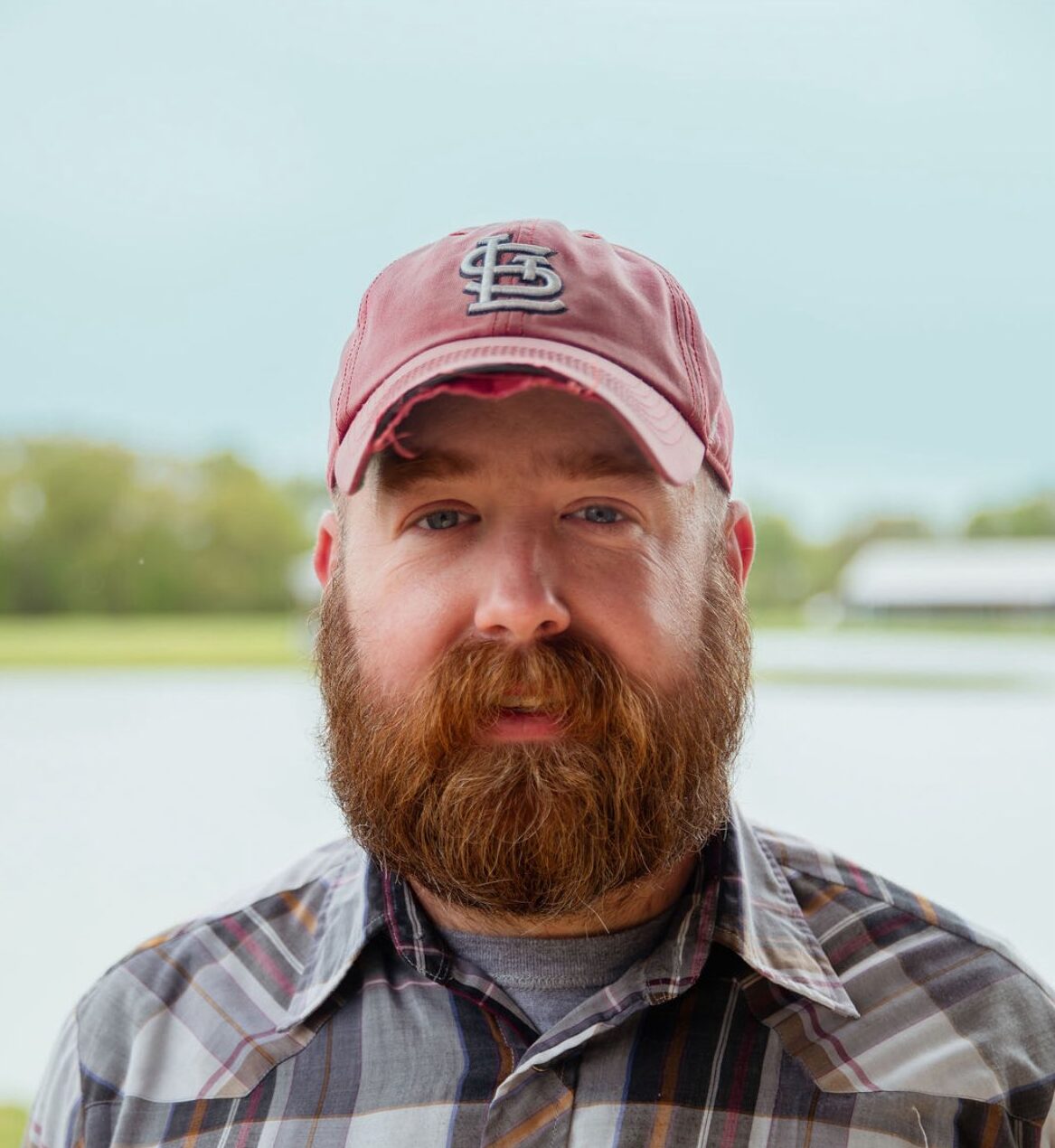
There is something magical about October baseball. The crack of the bat, the roar of the crowd and the belief that anything can happen with one swing. So, with the World Series beginning tomorrow, I can’t think of a better way to kick off Season 11 of the Charity Matters Podcast than with a story about baseball cards, second chances and one extraordinary family who has turned both into a force for good.
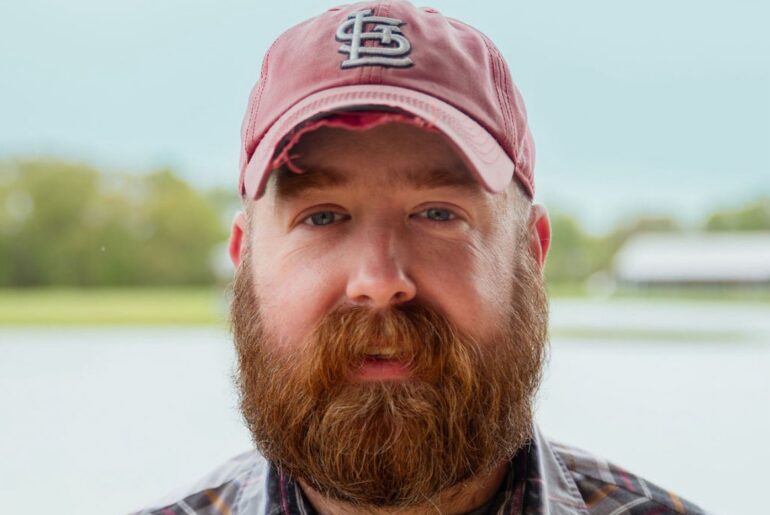
For 26 years, Greg Poole and his family have quietly served people throughout rural Southern Illinois through Cans Can Ministries. What began with a teenage boy, a collection of baseball cards and a desire to help others has grown into an organization serving thousands. Today, baseball cards help provide beds for foster children, meals for seniors, supplies for classrooms and so much more. There is even a partnership with the St. Louis Cardinals. So grab your peanuts and Cracker Jack because this season premiere has everything: baseball, family, heartbreak, hope and one remarkable reminder that sometimes life’s biggest wins begin when we simply show up for someone else.

Here are a few highlights from our conversation:
Charity Matters: Tell us a little about what Cans Can does?
Greg Poole: We are a 501(c)(3) nonprofit located in Southern Illinois. September is our birthday month, and for the last 26 years, we have evolved in a number of different ways.
Originally, we picked up a few loose community projects here and there. Eventually, we moved on to schools and helped students and teachers get the supplies they needed. Since then, we have kind of exploded in the programs we offer.
Now, we offer meal delivery for shut-ins. We provide beds for foster kids and clothing for foster children and kids in need. We just try not to say no. Social services in our area are really dwindling, so we have picked up more and more over the years. Today, we cover about 14 counties.
We also operate a fully functional sports memorabilia shop. We sell autographs, sports cards and other items, and 100% of what we sell goes to the programs we operate.
My 11-year-old daughter probably explains it best. She said, “He has the worst business plan ever. He operates a store and gives everything away.” Very simplistically, that is what we do. We exist to give everything away.
Charity Matters: What experiences did you have as a child that influenced your work?
Greg Poole: My parents were never formal about charity. It was never, “Hey, we are going to do this charitable thing.” I think it was that very Midwestern approach that if something needs to get done, it is just going to get done.
If you have a neighbor who needs something, how can we meet that need? Somebody is hungry, needs a coat or needs something. We are just going to do it.
We are not necessarily even going to talk about it. We are going to handle it in the most dignified way we can for the person we are serving, and then we move on to the next need.
Charity Matters: What was the moment you knew you needed to act and start Cans Can?
Greg Poole: Growing up, I was a victim of sexual violence. It started relatively young. As a young kid, especially as a male, you don’t know how to talk about those things, so you internalize them. When I was 16, I finally made the decision to commit suicide.
I had always had a gigantic baseball card collection. Before I went, I wanted to do something good with those cards. I also didn’t want to leave a mess for people to clean up afterward.
In high school, I was very active in a Meals on Wheels program. I sold what cards I could, purchased food and went back to visit the people we had been serving. I dropped off those items, and what I had planned did not come to fruition.
I remember getting back into my truck and looking at some of the boxes I still had. I thought, “Well, I guess I’m here for something. This was a start. How do we build upon what is here?” Looking back, it probably was a divine moment. At the time, it was probably survival. It definitely gave me a purpose.
When you think outside yourself and realize other people are hurting in different ways, or in the same way you are, it really makes things click. I know what it is to hurt in ways I couldn’t adequately describe at 15 or 16, and sometimes even at 40.
That is why we have always said, “I don’t need to know your story to know that you need help.” If you are hurting, we are going to find a way to help you.
Charity Matters: How Did Cans Can Begin?:
Greg Poole: I never foresaw this as a charitable enterprise. At first, I simply thought, “What little more can we add to what I’m already doing?” I was very guarded about why I was doing it. I disguised it as a school service project, called it Cans Can and collected recyclables from people on top of the things I was doing behind the scenes.
Our first project was buying a set of tires for an elderly lady in our neighborhood. Then we moved on to schools. Wherever the need presented itself, we created a program to match that need.
In December 2019, we officially became a nonprofit. We signed a lease in February 2020, and then the world shut down in March. Our main source of revenue generation was gone. We had pushed all of our cards, no pun intended, into a physical location we couldn’t open. Somehow, we kept going.
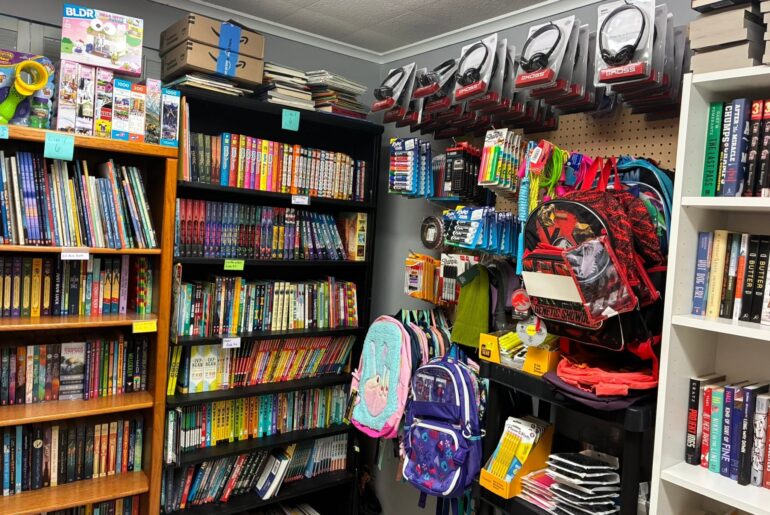
Charity Matters: What are your biggest challenges?
Greg Poole: We serve a very rural area. Our town is about 7,200 people, and now we cover about 14 counties. Sometimes people drive a couple of hours to get things from us.
We also have a model that looks funny. We are basically self-funded through our retail store. It is very freeing, but it is also wholly terrifying. When a need presents itself, our model gives us the ability to generate more revenue and plug the gap. It sounds easy when you say it like that, but somehow it has worked.
Charity Matters: What fuels you to keep doing this work?
Greg Poole: The recycled pain is definitely there. It never goes away. When I was younger, I thought maybe I could tear that part out and stuff something else in to replace it. But you never forget those feelings. I know what it feels like, and I don’t want anybody else to feel like that.
As long as we have the means to do it, we’re going to do it.
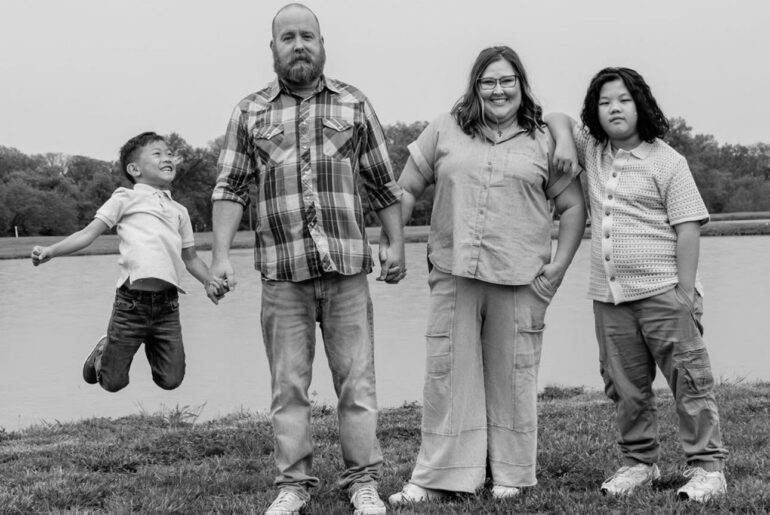
My family is also a huge part of it. My parents, my wife’s parents, my kids, everybody is involved. It never takes time away from them because it is a family activity. It is simply something we do together.
Charity Matters: When do you know you have made a difference?
Greg Poole: There are traditional metrics. This next year, we will cross about $800,000 that we have put back into our local community. Until about three years ago, we had been in around 500 classrooms. Last year alone, we did about 400. This year, we are on pace for 1,000.
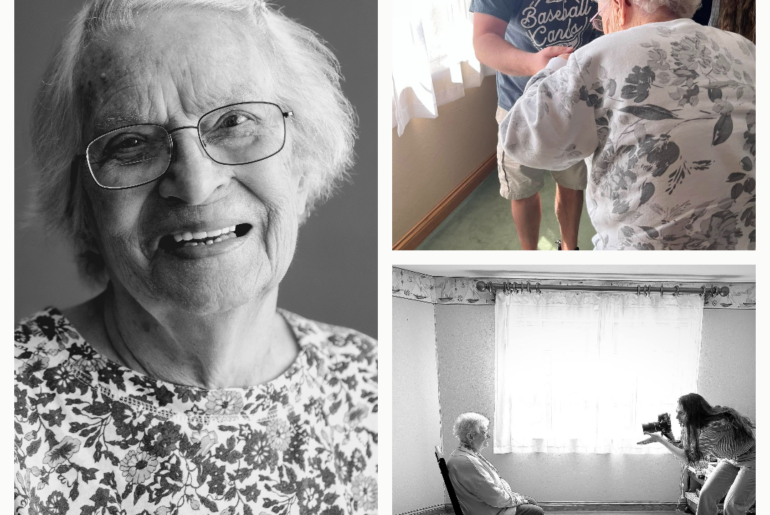
But I measure success differently. We had a gentleman we serve at a local assisted living facility call me. He had cancer. I asked, “Do you need money for treatment? Do you need a ride? What can I do for you?” He said, “No. I just didn’t have anybody to tell, and I knew I could call you.”
Another gentleman was on our meal route. My father delivers the meals, and one day this man didn’t answer the door. My dad heard him hollering and discovered he had fallen in the kitchen. My dad asked why he hadn’t called the police or an ambulance. The man said, “I knew you were coming.”
Those are the ways I measure success. Everybody we serve becomes an extended member of our family. Sometimes someone simply needs a voice on the other end of the phone.
Charity Matters: If you could dream any dream for your organization, what would that be?
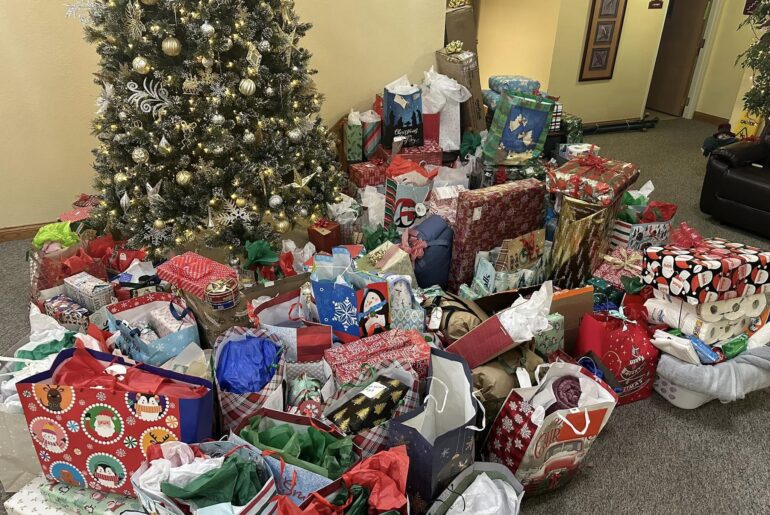
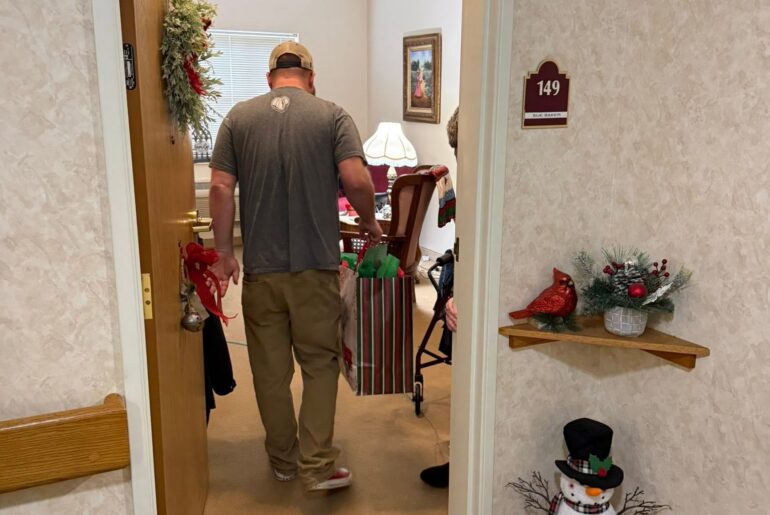
Greg Poole: We need more space. At Christmas, our shop is overrun with presents for local assisted living facilities and foster kids. We also do a lot of beds for foster children. More space would allow us to do all of that without shutting everything else down.
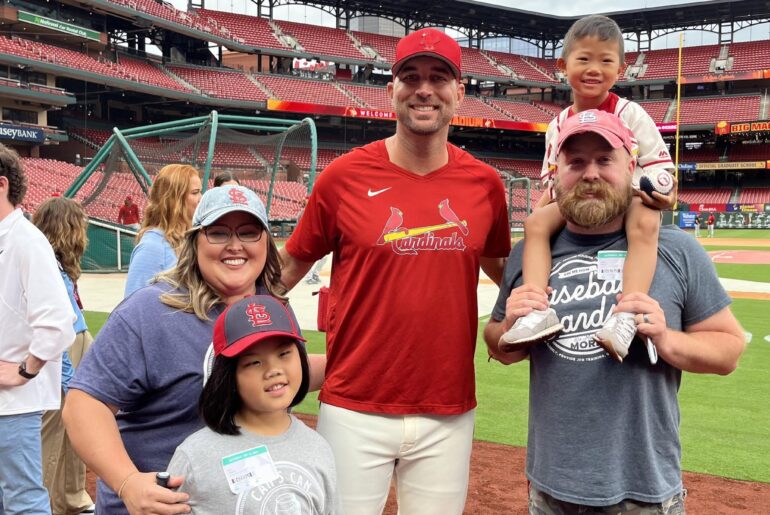
We would also love to create more opportunities for individuals with special needs to gain job and social skills. Recently, we partnered with the St. Louis Cardinals. A special needs class here in town makes sports card packages we call “Stadium Rips,” and the Cardinals sell them at Busch Stadium. Last year, our product was the number four selling product in the stadium.
Once people see what we do, they buy in. That is the dream: more space, more partnerships and more people becoming part of what we are doing.
CHARITY MATTERS: FOR SOMEONE WHO FEELS INSPIRED BUT OVERWHELMED, WHERE DO THEY START?
Greg Poole: Just do something. People get caught up in serving in a big way or waiting for a big opportunity. Just do something. It could be anything.
It might seem frivolous or small from your vantage point, but you have no idea what it means to the person you are serving. Walk through that door and say, “I’m here to do something for somebody other than myself.” At that point, the possibilities become infinite.
CHARITY MATTERS: WHAT HAS THIS JOURNEY TAUGHT YOU ABOUT YOURSELF, AND HOW HAS IT CHANGED YOU?
Greg Poole: If I could tell myself something 26 years ago, it would be, “Hold on. It’s going to be a bumpy ride.” I thought maybe by doing all these things I could tear the bad things out and throw them away. Instead, I learned that it is all a puzzle. It is all a piece, and it all connects.
When you are invested wholeheartedly in something, it is always going to be a part of you.
CHARITY MATTERS: IF YOU COULD GIVE OUR AUDIENCE ONE CHALLENGE THIS WEEK TO LIVE A LIFE OF SERVICE, WHAT WOULD IT BE?
Greg Poole: Look next door a little more often. If all we were concerned with was making sure our neighbors were taken care of, they would make sure their neighbors were taken care of. It starts there, and it spreads so fast.
Life is about showing up. We never know what the person on the other end is going to need. Sometimes, you just answer the phone.
CHARITY MATTERS.
PS. CHARITY MATTERS: WHERE CAN WE SUPPORT YOU?
Greg Poole: We are on Facebook, Twitter and TikTok, and we have a website where you can learn more about our story, donate or donate items.
You can also send us baseball cards and sports memorabilia. If it is something we can sell in the shop, those proceeds support our programs. If we can’t sell it, we find another use for it. We make giveaways for kids, packs for the sheriff’s department and packages for social service agencies.
We don’t leave any meat on the bone. If we don’t sell it and it doesn’t go toward a program, we give it away to kids.
YOUR REFERRAL IS THE GREATEST COMPLIMENT, IF YOU ARE SO MOVED OR INSPIRED, WE WOULD LOVE YOU TO SHARE AND INSPIRE ANOTHER. If you enjoyed today’s episode, please connect with us:
- www.Charity-Matters.com
- On IG @Charitymatters
- Post a screenshot & key takeaway on your IG story and tag me @heidijohnsonoffical and @Charitymatters so we can repost you.
- Leave a positive review on Apple Podcasts
- Subscribe to new episodes each week!
Copyright © 2026 Charity Matters. This article may not be reproduced without explicit written permission; if you are not reading this in your newsreader, the site you are viewing is illegally infringing our copyright. We would be grateful if you contact us.