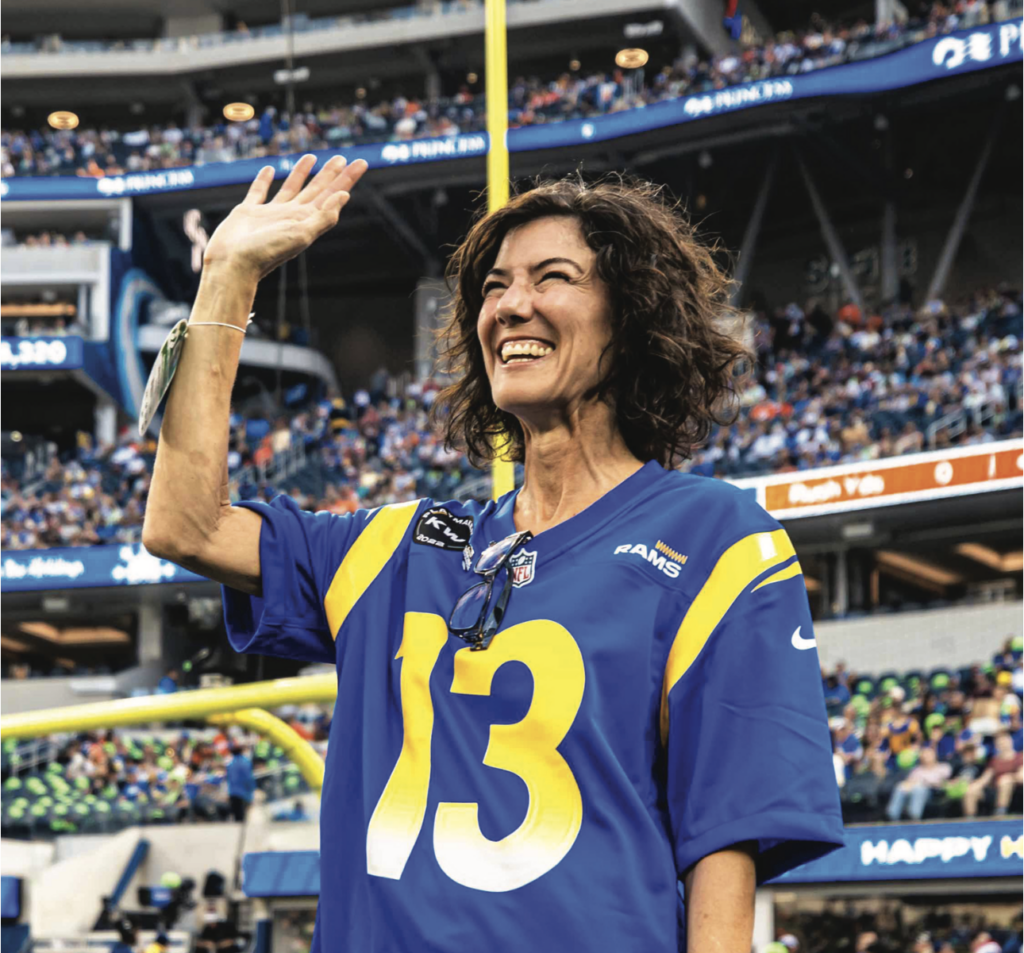
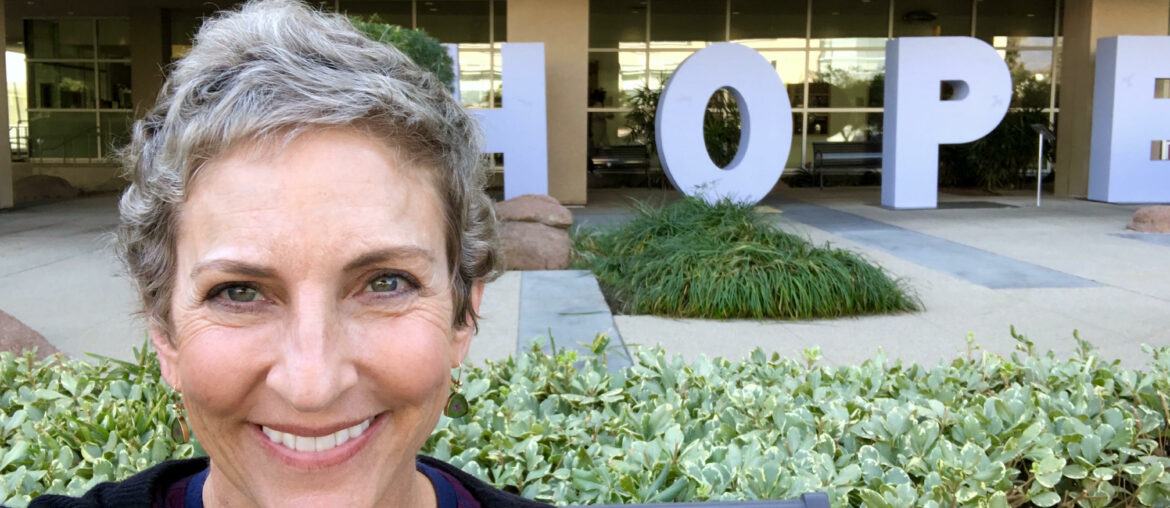
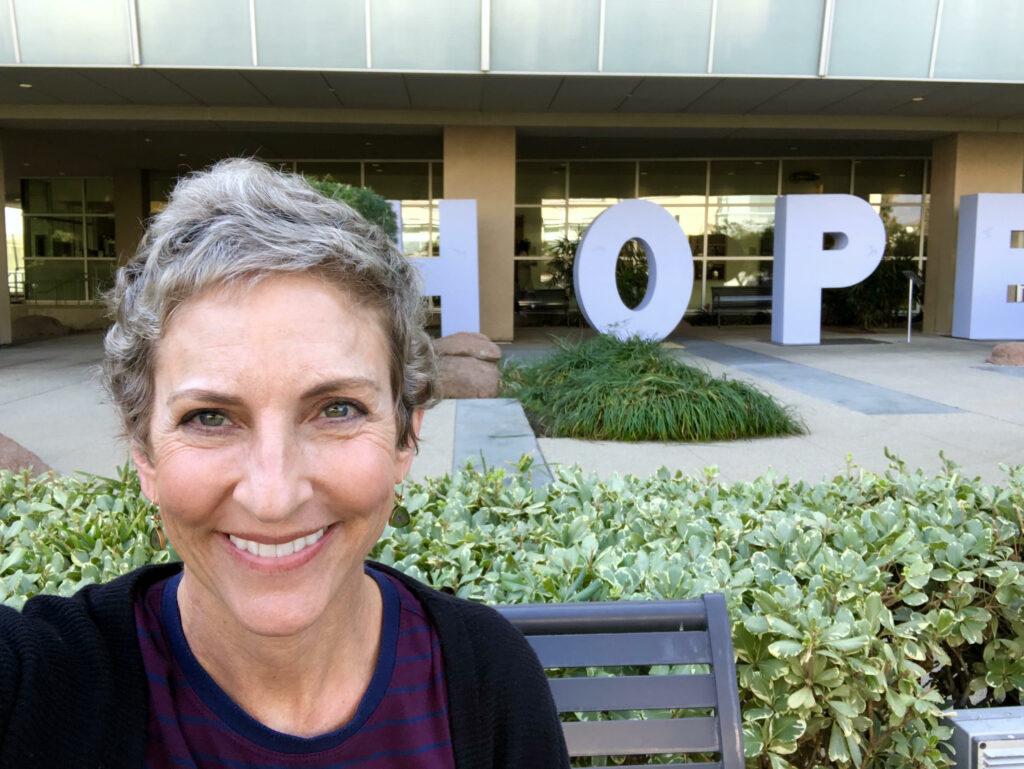
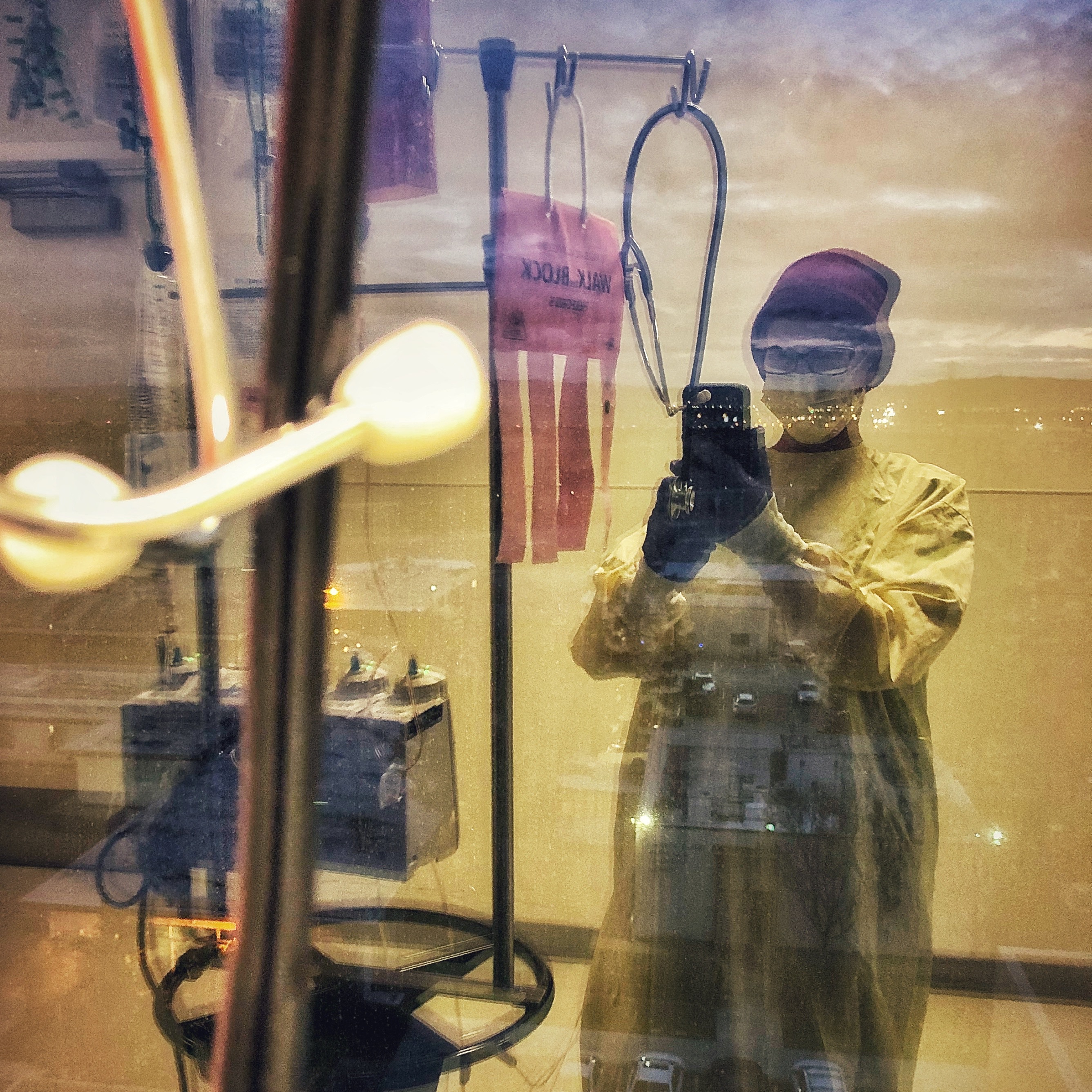
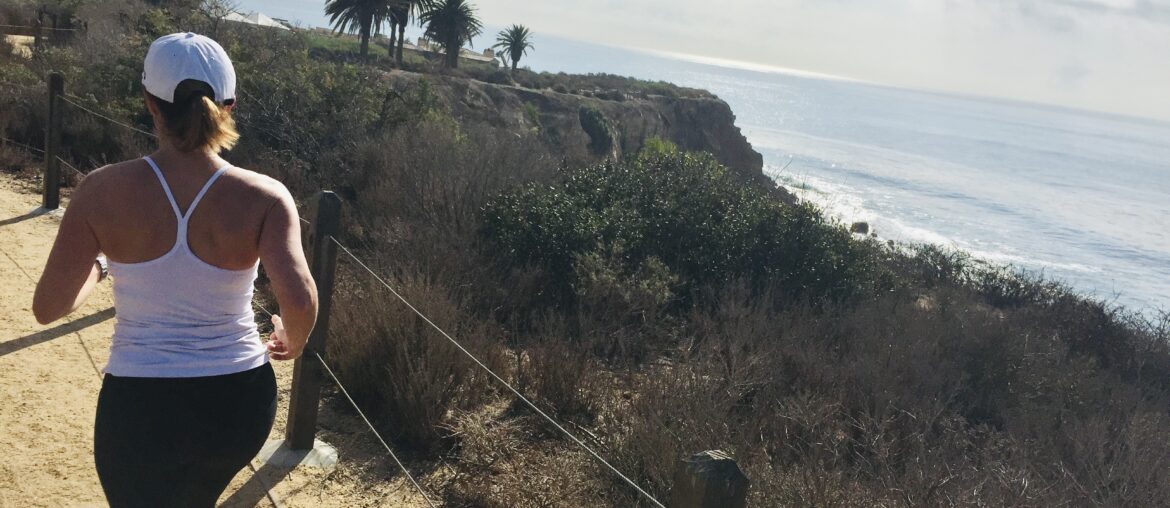
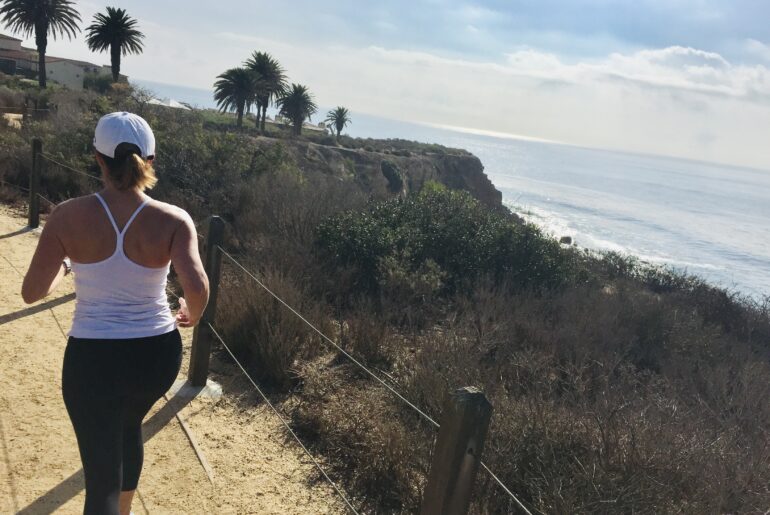
I have never run a marathon or even a 5k. I have, however, been a runner for most of my life. Maybe a jogger, I’m not sure of the difference but I have always liked to run. For decades I would run a few miles a few times a week. In recent years, I have done much more hiking and walking and a lot less running. I have to say that writing this book feels like running.
Getting started my legs felt like cement and the writing process was painfully slow. Whether you are running or writing, starting is always the hardest part of anything new we take on. Starting the book in January was daunting and filled with self doubt, stress, and deadlines that I was unsure I would make. Each new page felt uncertain and tentative. I have never heard my “negative Nancy” so loud in my head before. Usually I can keep her quiet but when the book began Nancy really ran on about how I couldn’t do this. Half of my energy was used silencing her never ending loop in my head.
After a while, my footing became steady and that negative voice slowly drifted away. Little by little my pace picked up, my confidence increased and I was keeping pace with the publisher’s deadlines. There were moments when I felt like a real runner again hitting my stride. Never fast but slowly and steadily making each mark, until I didn’t. I missed two deadlines. Not by too much, but it felt like a huge personal setback. The mental piece of starting again when you feel like you have fallen was much harder than I anticipated. Picking yourself up again and taking just one step forward was not easy, but I did. Each time I was proud of myself for moving ahead.
Now, as I am rounding the corner and see the finish line after literally just completing Chapter 11! I am on the home stretch, one chapter to go. So close to the finish I can practically see it! It is so crazy to fathom that when I began I didn’t know how long it was going to take me to get to my destination. Making the time to fit this book into my life has been a huge challenge. I’m so grateful to all of you with your patience as I have juggled the nonprofit, the podcast, this blog and the book in addition to life. It hasn’t been easy but like all challenges the reward comes from the hard work put into it.
Instead of sharing the final podcast for Season Seven, I am going to keep running towards that finish line and Chapter 12. My goal is to finish before the 4th of July and then finish Season Seven of the podcast the week after. Then another week of camp and a little break to catch my breath. Hoping to launch Season 8 of the podcast in August. Whew! So much to do and to look forward too. Thank you all for standing on the sidelines and cheering me on. So grateful for each of you and the movement we are creating together in making our world a better place.
CHARITY MATTERS.
YOUR REFERRAL IS THE GREATEST COMPLIMENT, IF YOU ARE SO MOVED OR INSPIRED, WE WOULD LOVE YOU TO SHARE AND INSPIRE ANOTHER. If you enjoyed today’s episode, please connect with us:
I had my windows washed for the first time in a long time. This is not newsworthy, of that I am aware. What is worth a conversation is how could I live that long without seeing clearly? It is actually astounding that day by day and week by week and month by month all the dog slobber, grit smudging and pollen built up went unnoticed. I am obviously not a clean freak and talking in metaphors. Everyday I think I am looking at the world clearly until one day I wake up and realize I hadn’t really seen anything clearly, until I did.
Getting my windows washed was my birthday gift to myself and honestly, it was the perfect gift. Yes, the light is amazing and everything just seems cleaner. More than that, as I celebrate another lap around the sun, I feel ready to move forward in this new year ahead with clarity. We can accumulate a lot of build up in a year of life. Each day a little something sticks to us that we don’t see and then a little more until one day we decide it’s time to get rid of it.
There are many things that build up over time. Friendships that slip away because you let another day go by without picking up the phone, time with aging parents that you let escape you, one cookie too many I may have decided to eat…each of these tiny decisions builds up and over time creates a lack of clarity. Yes, what’s one cookie? I’ll call her tomorrow. My parents are fine, I’ll check in later….until you can’t and your clothes don’t fit.
None of us are perfect and none of us make perfect decisions everyday. I’ll choose the cookie almost eveytime…is the right choice? Maybe. Each choice we make is like cleaning our dirty windows. We can choose to see what really matters or we can put it off until it’s too late. So with that I am eating the cookie, walking with my dad, calling my friends and trying oh so hard to choose what matters. I am also enjoying my squeaky clean view.
CHARITY MATTERS.
YOUR REFERRAL IS THE GREATEST COMPLIMENT, IF YOU ARE SO MOVED OR INSPIRED, WE WOULD LOVE YOU TO SHARE AND INSPIRE ANOTHER. If you enjoyed today’s episode, please connect with us:
I hope everyone has had a great week and are counting down to the long weekend ahead. I wanted to thank all of you who helped with the book naming survey, we are still narrowing it down but definitely getting closer! So thank you to all who voted, reached out and shared ideas. So grateful to you all. I promise to let you know once we have an official title.
Since our last book update, I had missed my April 30th book deadline and was more than a little stressed. I picked up my pace and kicked things into high gear Mother’s Day weekend. As a result, I am thrilled to report that I finished Chapter 6. Then I wrote the entire Chapter 7 and am now finishing Chapter 8. It feels great to be back in the race. Definitely feeling more secure about being past the halfway mark and heading towards the 12 Chapter home stretch in July.
Someone recently asked me, “Why are you writing this book?” My immediate answer was that I am writing it for myself, which is true. I am stretching myself and doing something I have always wanted to do and something I wasn’t sure I could do. Each chapter I prove to myself that I can. We all have a purpose on this earth and I believe that I was put here to help the helpers and to amplify their voices in any way that I can. This book helps that mission and will hopefully help the helpers and teach people that when you help others you end up helping yourself, your community and your world.
As a messanger of service, I am always looking for new ways to amplify these stories of modern day heroes. We started with the blog over a decade ago and then added the podcast. It turns out that so many people listen to their podcast on Youtube, who knew? I am thrilled to share that our podcast is now available on YouTube.
So if you like reading our interviews and articles here via email every week that is great. If listening to our Charity Matters podcast while you drive into work is how you like your content then that is terrific too. Now for those of you that love YouTube, we will be there for you hear our interviews. Lastly, for our book lovers our book will be out October 1st.
Thank you for being a part of this movement for believing that people are good and for helping to amplify these stories of real angels on earth. Together we all make a difference one small act of kindness at a time.
CHARITY MATTERS.
YOUR REFERRAL IS THE GREATEST COMPLIMENT, IF YOU ARE SO MOVED OR INSPIRED, WE WOULD LOVE YOU TO SHARE AND INSPIRE ANOTHER. If you enjoyed today’s episode, please connect with us:
Did you know that there are more than 400,000 children who are part of the foster care system in this country. Three-quarters of those children will be reunited with their family or another family member. The remaining 100,000 children need forever homes. What these children have in common is that they all need a home whether a temporary or a permanent one. May is National Foster Care Month and I thought it was a great time to revisit the incredibly eye opening conversation I had a while back with my friend Brian Mavis the founder of America’s Kids Belong.
Join us today for a fascinating conversation with Brian Mavis as he shares his family’s calling and journey in starting America’s Kids Belong. The remarkable story of what one family has done to change what family means for thousands and thousands of children in finding their forever home and family.
Here are a few highlights from our conversation:
Charity Matters: Tell us a little about what America’s Kids Belong does?
Brian Mavis: Nationally, there are over 400,000 kids in foster care today. And a way to think about that group of over 400,000, is to then put them into two different groups. There’s a group of those kids about three-quarters of them, who are on a path towards reunification with their family and their parents. Then a quarter of those kids, so just roughly over 100,000, right now, they’re on a different path towards needing to find a new forever family.
We work with both sets of kids because both groups, there is a deficit of families, a big one, between families who are willing to what we call, for now, families that will say we’re here for you, for now, to take care of you until your biological family can. And then forever families, the ones that will say, will be your new forever family. So we work on both sets.
Charity Matters: What was the moment you knew you needed to act and start America’s Kids Belong?
Brian Mavis: This story starts in my wife’s heart and began early for her as a teenager. She was living in Southern California, had gone on a high school missions trip with her church into Mexico, and they worked in an orphanage. While she was there, she said, she heard God tell her this three-word sentence. Care for orphans. She knew she knew as a teenager, her calling on her life.
In 2005, Julie said, “I want to be a foster mom.” So we go to the orientation and so you’re learning about trauma and all that kind of thing. One of the first things they let you know, is who are these kids? Why are they in foster care? Right? And so, right off the bat, they say, there’s a myth that these kids are in foster care because of what they’ve done. And that’s a myth because what actually has happened is something has been done to them.
Brian, his wife Julie, their two daughters, and their first foster child.
Keegan became our first foster child. Two years later, in 2007, I’m a pastor at a church in Colorado. A child welfare worker called me and asked, “Can I meet with you to talk about child welfare in our county?” I said, “Sure.” So this woman, Cindy, comes to visit and says, “In the 27-year history of Child Welfare in our county, there has never been one single day, not one day, where kids weren’t waiting for grownups to take care of them. I have a challenge for you. So this was the three-word sentence that changed my life. My wife’s was “Care for orphans.” Mine was this. She said, “I have a challenge for you. Change who waits. Help me change who waits.”
Charity Matters: What fuels you to keep doing this work?
Brian Mavis: Conviction and commitment and this sense of like, there’s an injustice that needs to get set. Right? And then it’s you have to look for the victories. You can look at the numbers and say we increased this by 40%, and all that. But that doesn’t move your heart as much as knowing that Adrian now has a family. And he had been raised in institutions for the past seven years. And now he’s got a mom and a dad. It’s that kind of thing that says, Okay, I’m gonna fight another day.
Charity Matters: Tell us what success you have had?
Brian Mavis: We increased the number of recruitment of foster families by 40%. Statewide, within a year. That is an intellectual case. You know, the emotional cases sharing a kid sharing a story. The transformational case is when a kid goes into a home, and a family changes everything for them, it changes their future, which could be one that is bleak. And to one that is hopeful.
And what when you come down to saying, Let me tell you the story of it, Adrian he was he went into foster care when he was eight, he’s 15. Today, he’s had no inquiries on his life, he feels unwanted. And we did his video, within three weeks of promoting it, we had 24 families asking about and being their son. And if he had aged out of foster care, just on the financial side, it would have cost you know, throughout social services hard cost $300,000 of services as a young adult for him so there’s that side to it.
The Mavis Family and their foster grandbabies.
Charity Matters: What life lessons have you learned from this experience?
Brian Mavis: I’ve learned a lot. I still have a long way to go still about learning the effects of trauma on people, especially on kids. There are different kinds of trauma, there’s acute trauma, something that happens once. There is chronic trauma, something that’s happened over a period of time. And then there’s complex developmental trauma, which is something that happened in reason it’s complex.
Those first two didn’t happen by the hands of somebody who was meant to love you and care for you. And so that kind of trauma is profound. On the other hand, when there are enough skilled people who understand that and understand how to help give hope and healing and love, a lot of that trauma can be healed. I wish people and churches would become trauma competent and formed. It would really help everyone to understand.
CHARITY MATTERS.
New episodes are released every Wednesday! If you enjoyed today’s episode, please:
Post a screenshot & key takeaway on your IG story and tag me @heidimcniffjohnson and @Charitymatters so I can repost you.
Leave a positive review on Apple Podcasts
Subscribe for new episodes each week
Connect with us:
www.Charity-Matters.com
On IG @Charitymatters
YOUR REFERRAL IS THE GREATEST COMPLIMENT, IF YOU ARE SO MOVED OR INSPIRED, WE WOULD LOVE YOU TO SHARE AND INSPIRE ANOTHER.
I need your help. Having never written a book, I thought that the title would just come to me somewhat like naming a baby. Like pregnancy you kind of figure things out as you go, you think you all this time to come up with a name. Afterall you have almost nine months, in the case of the book I have eight. The draft is due at the end of July. Just for a reference we didn’t have a name for our youngest son. The night before he was born we went to our favorite restaurant and the bartender, a friend of ours, asked us what the baby’s name was going to be? We didn’t have an answer, so he named the baby Ford. True story. So if this is any indicator, well I might need the bartender’s help too!
At our last update, I was having a really hard time starting. My procrastination skills were beyond impressive. When my husband left for a boy’s weekend, I was sure I was going to at least bust out a chapter. Instead, I headed to Target buying organizing containers and organized under my kitchen and bathroom sinks. Who does that? That’s how hard it was to start. I equate it to training for a marathon, which of course I have never done either. From what I hear, you have to start out slow and little by little your pace picks up.
Believe it or not that is exactly what’s been happening. The publisher gave me three months to get the first three chapters done. I was incredibly proud when I turned them in two weeks early, despite all the procrastination. I thought I had found a rhythm and so I rewarded myself with two weeks off after submission. In hindsight, that was probably not a great call on my part.
The reason that wasn’t a great idea is that our next publisher “check-in” my darling publisher, Michael said, “Ok, great that the first three are in but now we need chapters 4-6 and the title by the end of April.” Wait, whaaat? How did I have three months for three chapters and then one month for three chapters?’ Sweet Michael said, “That most authors begin to hit their stride by the middle of writing.” Since I’m not officially in the middle I am waiting for that moment to just take off. I am, however, happy to report that it is the third week of April as I write this post and I am starting chapter six and might, just might make my deadline….with one exception, the title.
When the initial panic ensued on the title, I thought who can I possibly ask for help? Who understands what I am writing about? Then I realized that you do! You have been following my crazy journey for over twelve years. You know my story of loss, of starting a nonprofit with a group of friends and my mission to help the helpers by amplifying the amazing nonprofit founders’ voices and work.
The book is my story of stumbling into this work after the loss of my mom. The lessons learned from loss and service and even more the lessons learned from the hundreds of interviews I’ve done this past decade, the ones you read each week. The thesis is that service is the silver bullet. If you want to heal yourself, your family, your community and your world then do something for someone else. It’s pretty simple. The untitled book is a little inspiration and a little self help.
I like to think of Charity Matters as a patchwork of stories and the book will be the quilt where they all come together. More than a few people have asked why not just call the book Charity Matters? My answer is that I wouldn’t buy a book called that. Would you? However, I do think you can give the book a short title and then as the byline say: Why Charity Matters.
We made it easy with a poll you can click hereand take the survey and make sure to pick one choice to get to page three to suggest your own idea. So here are a few of the tentative titles and I would be beyond grateful for any suggestions you may have or your vote. My list is even longer and maybe your idea is even better?
How to become your own hero- Changing your world and ours
Help yourself by Helping others
We before me: Why Charity Matters
The healing lessons of helping
The secret of living is giving
Helping is Healing
If it wasn’t for you, there wouldn’t be a Charity Matters with thousands of followers and subscribers. Let me know what you think? And thank you for going on this journey with me and for helping us get the word out that there is SO much good in our world if we just look.
CHARITY MATTERS.
YOUR REFERRAL IS THE GREATEST COMPLIMENT, IF YOU ARE SO MOVED OR INSPIRED, WE WOULD LOVE YOU TO SHARE AND INSPIRE ANOTHER. If you enjoyed today’s episode, please connect with us:
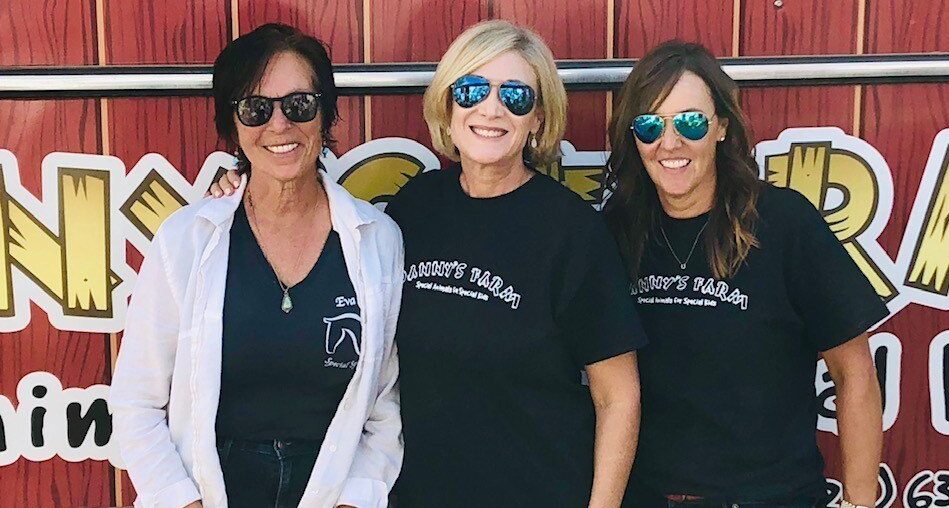
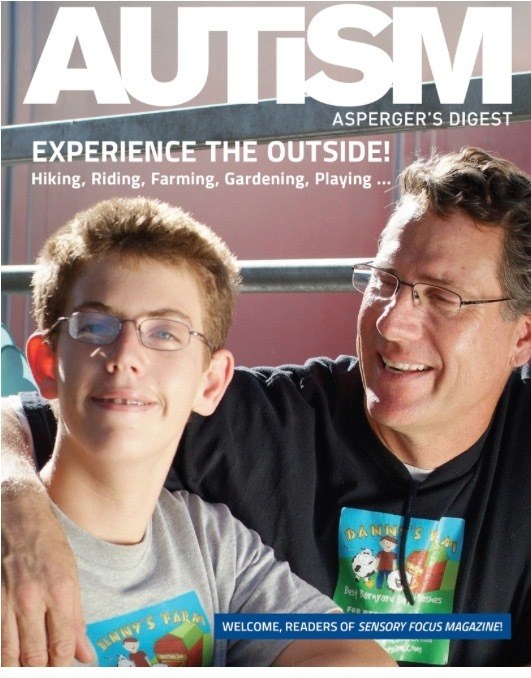
Before Autism Awareness Month comes to a close I wanted to make sure that we are highlighting incedible work that so many are doing for Autism. I’m so excited to share today’s conversation with you. I’ve known and admired Cathy Gott for a very long time. We both raised our sons in the same small town outside of LA. A small city where everyone knows everyone and supports one another. Cathy has always been a bright light, someone with amazing energy, and a person who makes things happen. She and her husband, (legendary baseball pitcher) Jim Gott have two sons, Danny and Nick. When Danny was diagnosed with autism Cathy and Jim went to work.
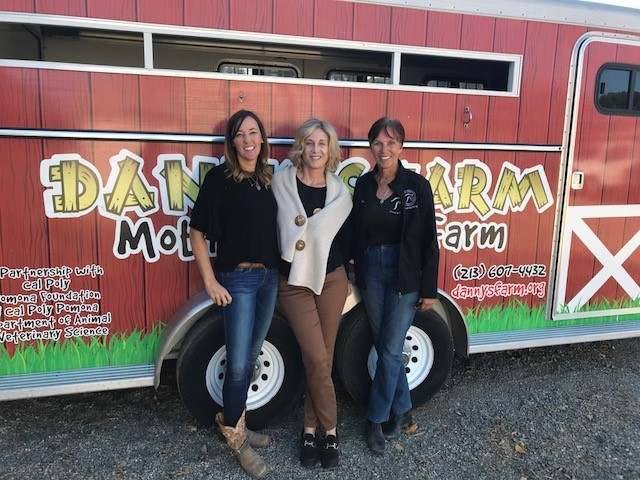
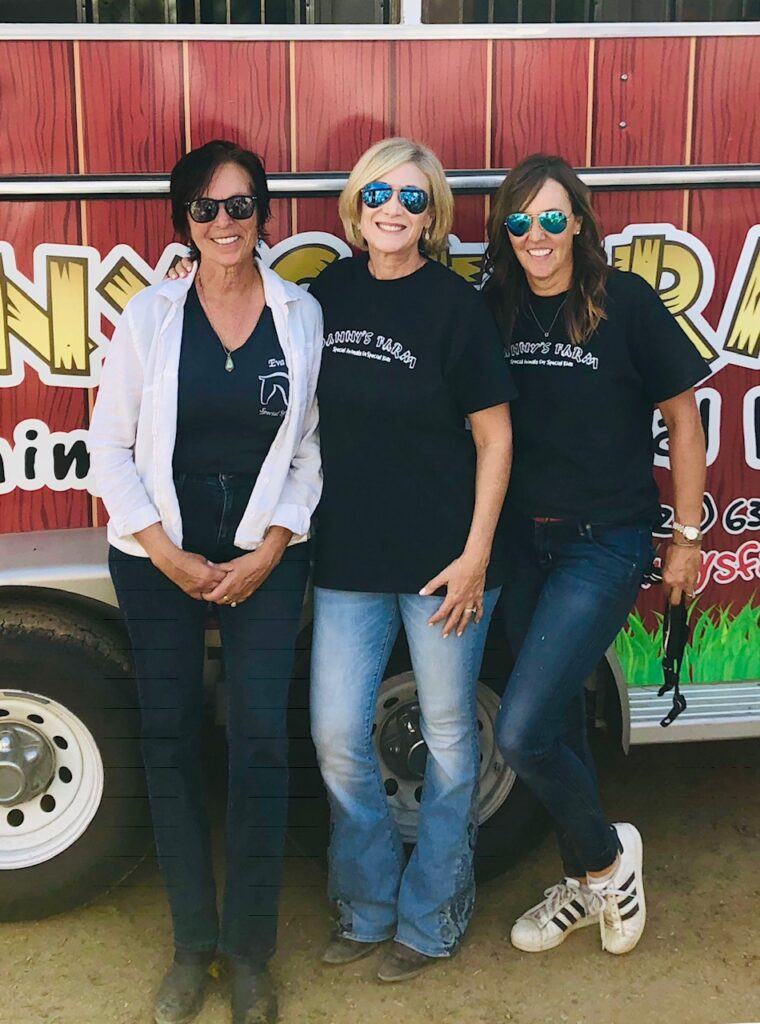
Cathy is the co-founder of Education Spectrum, a social skills, and community integration program that supports children and their families with developmental needs. Cathy didn’t stop with Education Spectrum, she kept going to found Danny’s Farman amazing nonprofit that is so much more than a petting farm. It is a place for the community to come together while employing adults with developmental differences.
Join us today to learn about Cathy’s journey, the challenges she faced as the mother of a child with autism, her journey of service, and to learn about the incredible work she is doing today for adults with developmental needs. She is a true inspiration!
Here are a few highlights from our conversation:
Charity Matters: Tell us a little about what Danny’s Farm does?
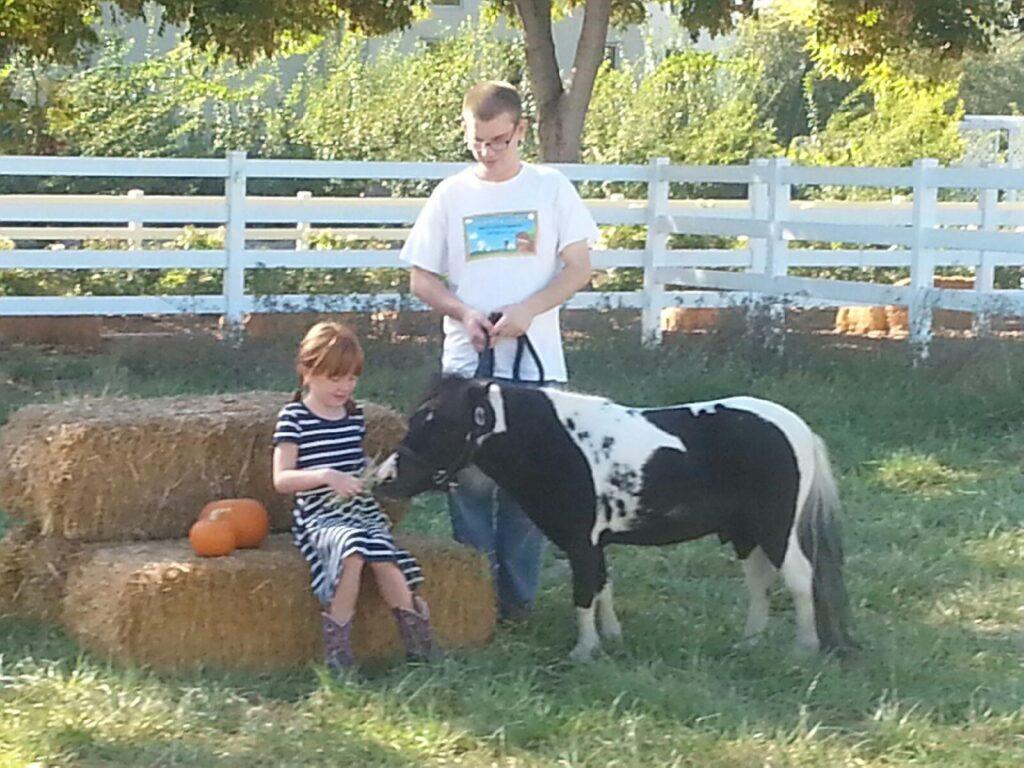
Cathy Gott: Danny’s Farm is a labor of love, no doubt about that. It is a petting farm, that employs adults with developmental differences. We provide a lot of volunteer opportunities and vocational training. In addition, we go out into some of the most underserved communities and special needs communities in Los Angeles, either through our mobile petting farm and visit groups of kids who sometimes never even seen a farm animal.
I mean, it’s remarkable and is a really interactive, lovely experience. Then we also have hours at the farm where we host field trips and tours and individual visits depending on the needs of the individual. So it’s an inclusive nurturing loving place. We share the property with another organization called Special Spirit which provides therapeutic horseback riding. So, it’s hard to separate because you know, you can’t pass up a pig pen when you’re going over to ride your horse or a sheep or a goat or a bunny or you know, it’s just really fun. So we share a lot of that.
Charity Matters: What was the moment you knew you needed to act and start Danny’s Farm?
Cathy Gott: Well, when Danny was little as with many people with autism, there’s a number of sensory issues and in particular, sound sensitivity. And lots of different ways to take in the environment tactfully from touch to you know, just how we move in our body and space. He had a lot of difficulties navigating things like amusement parks or baseball games or things that a family would typically enjoy. It would be very overwhelming for Danny.
One of the few places that he loved to go, were petting farms, wherever we were because they’re quiet and they’re peaceful. He got a lot of tactile input by petting and holding and squeezing and hugging and loving all those animals. Danny has always had a tremendous affinity for animals. So that’s the background story.
Then somewhere in the early to maybe 2010, something like that Danny was a teenager. I was attending a conference at this taskforce Blue Ribbon Commission for autism in California. I learned about some grants that were available to fund micro-enterprises or small businesses. That’s when the light bulb went off, you know because a lot of parents as their kids are about to exit high school or thinking what’s next? What is my child going to do and have meaningful employment in life? And it just all clicked together. That’s what we decided to do and it truly is Danny’s Farm.He has a lot of pride and works very hard.
Charity Matters: What are your biggest challenges?
Cathy Gott: We had some location issues but you know, they all turned out great in the end. The first location we opened was an Altadena at a beautiful little horse stable. We used a lot of the grant money to build a barn that served a number of wonderful things.
What happened is we were a victim of our own success because once the word got out about Danny’s Farm we were very busy, very fast serving kids in and around Los Angeles County. And this poor little neighbor. Bus after bus come in and out and the neighbors were not happy. So we politely had to close our doors there and that was devastating.
Charity Matters: What life lessons have you learned from this experience?
Cathy Gott: I have learned so many lessons. I think the one that comes to mind is the saying, “Man makes plans and God laughs.” I used to be such a planner. I had planned where Danny would live and work and I learned to let it go. We adapt to do the best with what we have. We learn to manage our expectations and disappointments. Being able to pivot is extremely humbling.
I feel closest to God now when I just listen. It is such a privilege to simply listen.
CHARITY MATTERS.
New episodes are released every Wednesday! If you enjoyed today’s episode, please:
Post a screenshot & key takeaway on your IG story and tag me @heidimcniffjohnson and @Charitymatters so I can repost you.
Leave a positive review on Apple Podcasts
Subscribe for new episodes each week
www.Charity-Matters.com
On IG @Charitymatters
YOUR REFERRAL IS THE GREATEST COMPLIMENT, IF YOU ARE SO MOVED OR INSPIRED, WE WOULD LOVE YOU TO SHARE AND INSPIRE ANOTHER.
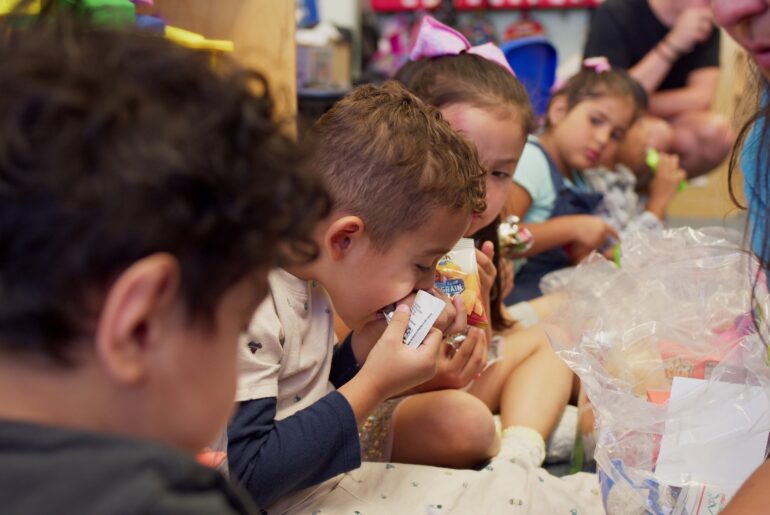
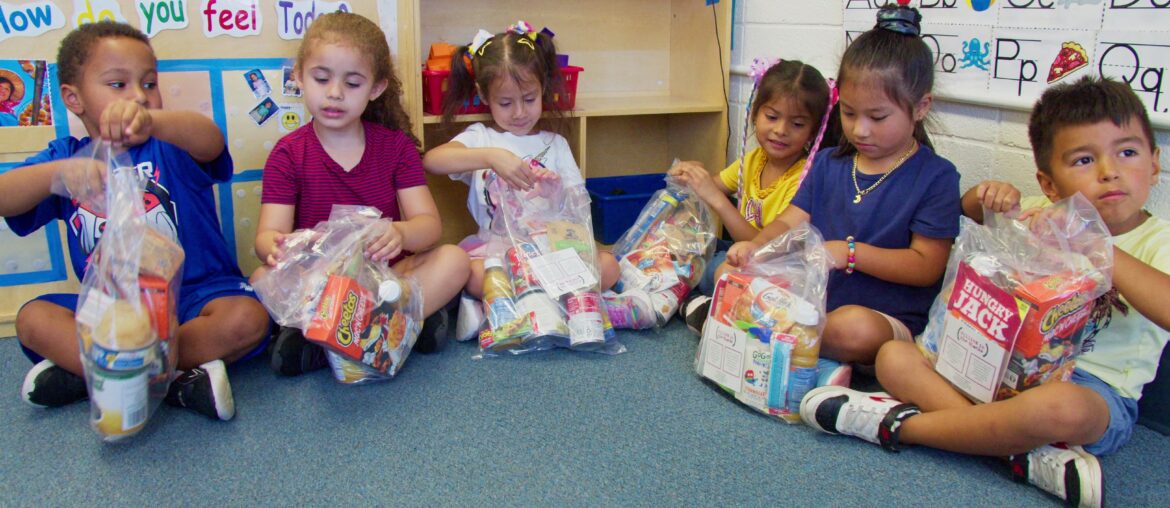
Did you know that there are over 13 million children in the United States who live with hunger? One in five children does not know where or if their next meal will come. Those facts are shocking to anyone who hears them. However, it is the rare person or people who actually act when hearing those numbers. Today’s guests not only experience food insecurity they have acted to create a nonprofit called Filling In Blanks.
Tina Kramer (left) and Shawnee Knight (right) Founders of Filling In the Blanks
Join us for an inspirational conversations about two next door neighbors who are changing lives and the face of hunger.
Here are a few highlights from our conversation:
Charity Matters: Tell us a little about what Filling In the Blanks does?
Tina Kramer: Shana and I started Filling In the Blanks 11 years ago. And what we do is we provide food on the weekends to children that are struggling with food insecurity. So we provide a bag of food for the kids ages preschool through high school, that receive meals during the week at school, but don’t have anything over the weekend. So we’re covering that weekend meal gap.
Charity Matters: Did Either of you grow up in families that were very involved in their communities?
Shawnee Knight: My family was always thoughtful of other people, but we didn’t do a lot in terms of being out in the community as much as Tina and I are now. I grew up in a single family household and so I kind of understood. I was on the free and reduced lunch and so I understand the pressures that these families are facing. I think that really was kind of one of my main motivating factors for starting Filling In The Blanks. Being in Fairfield County, CT there’s so many different volunteer opportunities and ways to give back.
Tina Kramer: I grew up in a similar household as Shawnee with a single mom who works all the time. My grandmother pretty much raised me. So there wasn’t really an opportunity to give back to the community at that point in time. When we moved to Connecticut, there are so many volunteer opportunities and that’s where I really learned about volunteering. We decided that we wanted to do something together and that’s how we founded it Filling in the Blanks.
Charity Matters: What was the moment you knew you needed to act and start Filling In the Blanks?
Shawnee Knight: We were riding with a friend into the city, and we were just talking about sports and our kids. And my friend was saying,” The other students on the opposing team don’t often have snacks. So they would bring snacks for the other team.” I was kind of like,” Wait a minute. There’s kids in Fairfield County that don’t have food. Like how I don’t understand that? That can’t be possible. Look at where we live?”
I think Tina and I were at the age where our kids were getting a little bit older. So we were both trying to find something to do, we were next door neighbors. We did some research and learned that there really are food insecure children in our community. And for us, the thought of a kid going without food is just shameful. It’s just wrong.
Tina Kramer: So we saw an article in a magazine about a nonprofit that was a national organization that provided food on the weekends to children. So we became program coordinators. That was our first step and we did the fundraising. We did all the purchasing, but the national organization was more of the parent company.
We would give them our fundraising efforts and they would reimburse us. And we are very type A, we are very gung ho about projects we work on. We decided after probably two or three weeks to use the information from the national organization structure on how to run a nonprofit because neither one of us had ever run a company or any kind of nonprofit before. So that was our stepping stone to the blank.
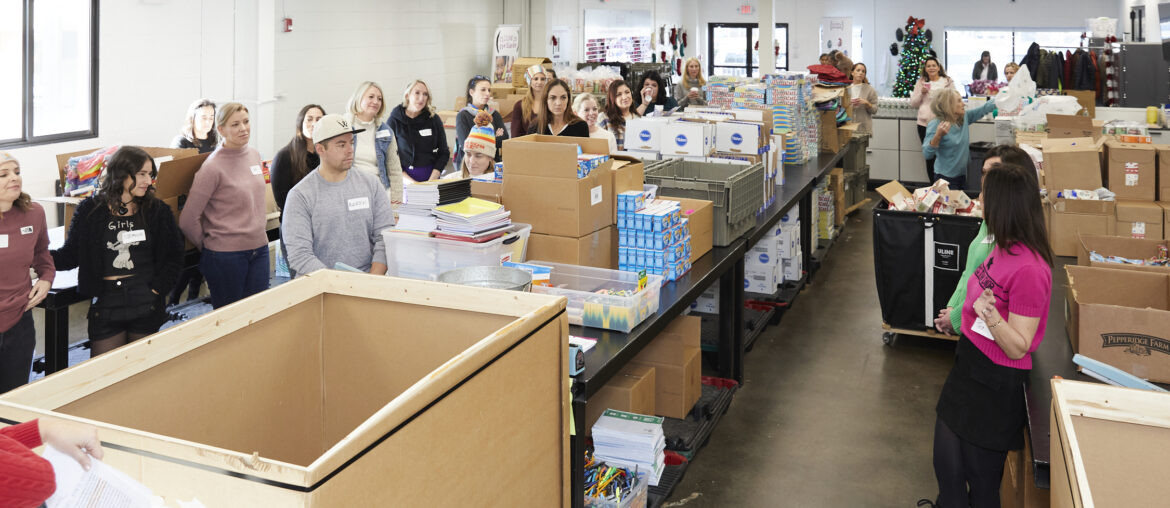
So we learned how to incorporate our trademark, our logo, articles of incorporation and bylaws. We surround ourselves with good people to help us structure all these things. We started packing bags in my house for 50 kids. We’re tying grocery bags, going to the dollar stores, Costco and loading our Suburbans up which we’re dragging on the floor. And we just learned as we went, and it was so very grassroots in the beginning.
Charity Matters: What are your biggest challenges?
Shawnee Knight: I think definitely finding food suppliers and finding families. and reaching more families. We needed to get a warehouse because we had outgrown Tina’s living room. We had too many kids, and you have to store these bags. We just needed more of a structure for that. And so I think there were challenges, just in doing and getting things done. Realizing people don’t get things done as quickly as we wanted them to get done.
Some of the biggest challenges we face now are reaching more parents. There’s definitely still a lot of parents who don’t know about us and our services.. And I think procuring food, and food costs rising because we purchase all of our food. So we’re fundraising to buy food and with food costs going up, we have to fundraise even more.
Charity Matters: What fuels you to keep doing this work?
Tina Kramer: I don’t think we mentioned this earlier but Shawnee and I are both volunteers. We don’t get paid to run Filling in the Blanks. We have a real desire to help the kids because we both at some point in our lives dealt with food insecurity, one of us in our childhood, the other in our adult life. That really fuels us because we know what these parents are struggling with, and how hard it is. Just to wonder, can I feed my child today? Or do I have to pay the electric bill? So it’s really ingrained in who we are.
We have a great staff that surrounds us and a great group of volunteers. We have a leadership committee of about 10 people, mainly women. Then we have 11 full time employees that really help with the day to day. Besides the bags were packing, we have 7000 volunteers come through our doors on a yearly basis. Wow. So it’s not just Shawnee and I, and our desire, it’s our community. We’re all lifting up our community and the surrounding communities. And that’s really what fuels us.
Charity Matters: Tell us what success you have had and what your impact has been?
Shawnee Knight: We do a lot of surveys, to the families, the children, parents, the social workers and teachers at the schools. So we’re able to measure some of those outcomes for students. Then we track the number of meals and we’ve served over 3 million meals. Every week we have 7500 kids that get our weekend meal bags. We’ve launched our Mobile Food Pantry, fresh food on the move. We’ve been distributing about 20,000 pounds of food at each site, which they operate twice a month.
We’ve partnered with Stanford Health to provide various health and wellness wraparound services, so we’re able to see how many people they register for or how many flu shots they gave out. It is really hard because we don’t have access to kids grades, so it’s hard to measure that. But we do measure things like the teacher saying that the child is less disruptive in class.. We’ve had a teacher tell us a story of this. One child she had that just was out of sorts at school and she kind of made him in charge of helping her with the backpack club as they call it, which is when they get their bags. And she said, that she noticed a change in his personality and his self confidence was improved. So we hear little antidote or things like that. Then from our pre-programmed surveys and post-program surveys, we see an increase in happiness or of the child’s well being.
Charity Matters: When do you know you have made a difference?
Tina Kramer: It’s a simple concept that everyone should have access to food and healthy food items. Our volunteers are little kids to adults. We make sure that we can create volunteer opportunities for them to create an impact within Filling in The Blanks.. We’ve created snack bag programs, in addition to our regular weekend meal program. So the younger kids can have a packing event at their home and pack little snacks in a little brown bag that gets distributed to the kids too. So we’re trying to make sure that our volunteers feel the impact that they are creating.
As Shawnee mentioned, we just started a mobile pantry back in October, and we’re serving 1000s of families through that initiative. Through that we’re able to communicate directly to the families and the parents. They tell us the impact that the 50,000 pounds of food they get at the mobile pantry has on their family. Many turned around and now want to know how they can volunteer with us, and how they can give back and how they can help. And that’s just so rewarding. It comes full circle.
Charity Matters: If you could dream any dream for your organization, what would that be?
Shawnee Knight: For us to be out of business.
Tina Kramer: This year alone we will serve over a million meals and the need is not not going away. We’ll probably serve about 10,000 kids this year, every weekend. We created a year round program for all. Our big dream is potentially it’s on the back burner but I’ll put it out there. We would like to franchise to other states or communities, or do some drop shipping/fulfillment centers to have food delivered directly to the schools. We would take away the need for additional trucks and drivers. We’re trying to figure out how do we replicate or duplicate our program outside of our like immediate area.
Charity Matters: Do you have a Phrase or Motto that you live by?
Tina Kramer:One of our board members always said, “If you can, you should.” And that kind of really encompasses Filling in the Blanks. Because really, anyone, a little kid to a senior citizen can make a difference here, it’s packing the bag, spreading the word, liking something on social media, it doesn’t have to be dollars, it could just not just it can be your time, even if it’s five minutes.
Charity Matters: How has this journey changed you?
Shawnee Knight: I think so. I think we were nervous when we first started this. We didn’t know what to expect. You never know how much pressure you can take or how much weight your shoulders can hold. So I think we’ve grown a lot in that sense. I mean, we’re running a really big nonprofit with a big operating budget and expenses. You never know how much of that stress you can take and I think we’ve learned to stomach quite a bit of it.
Tina Kramer: We’re the perfect ying and yang. I think it’s given me a lot more confidence than I had before. I never thought I could run my own business and didn’t know how to read a spreadsheet. And now we’re dealing like Shawnee said, with a multimillion dollar budget. It’s given me confidence in who I am, not only here, but in normal life and at home. It’s just been a great learning experience over the past 11 years.
Charity Matters: What life lessons have you learned from this experience?
Tina Kramer: That people are good. And they want to do good. I come from nothing and I’m not used to being encompassed or embraced by our community. This community that we’ve created together, really has shown me how good people are and how they’re always willing to help. It’s just a beautiful thing.
Shawnee Knight: If you build it, they will come.
CHARITY MATTERS.
YOUR REFERRAL IS THE GREATEST COMPLIMENT, IF YOU ARE SO MOVED OR INSPIRED, WE WOULD LOVE YOU TO SHARE AND INSPIRE ANOTHER. If you enjoyed today’s episode, please connect with us:
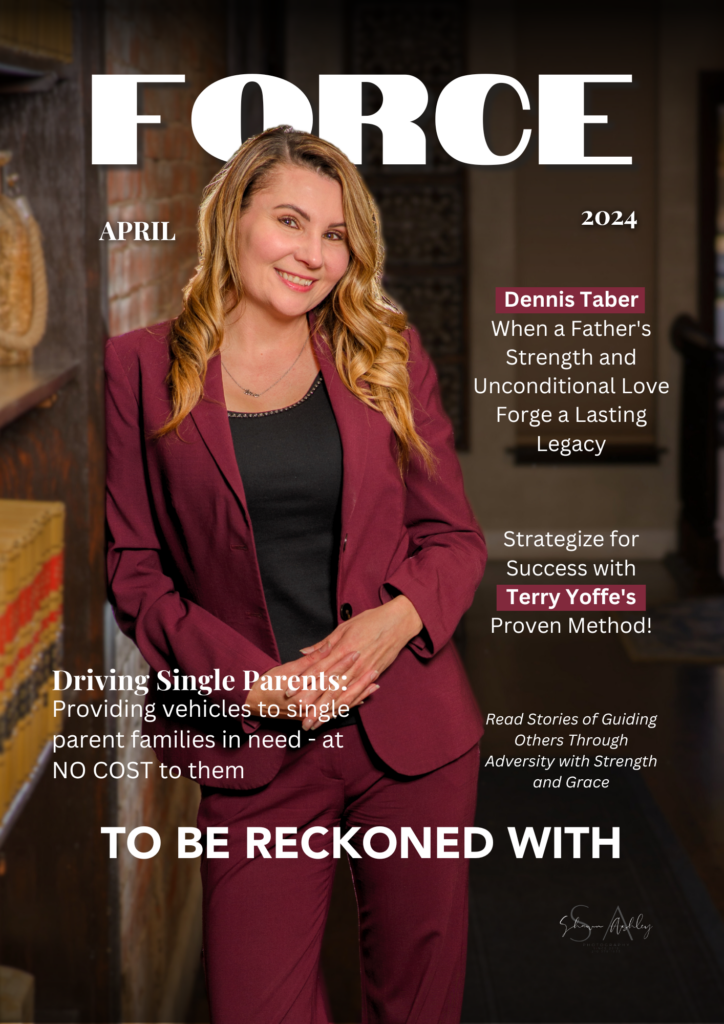
You may remember that in February I went to an incredible event hosted by the publisher of my upcoming book. At that event, I was thrilled to finally meet Cindy Witteman in person. Cindy is the nonprofit founder of Driving Single Parents. We had already connected in so many ways so it was a treat to be in person together. In addition to being a nonprofit founder, Cindy has already written a number of books, hosts a TV show called the Little Give and is now launching a magazine called FORCE.There is no better word to describe my new friend than a serious force.
I was incredibly flattered when Cindy asked me to write about my thoughts on “force” for her premiere issue. Even more exciting, is the fact that Cindy has asked me to become a regular columnist for the magazine contributing monthly and having a Charity Matters column. FORCEMagazine will be available in 13 countries and sold in over 10,000 retailers, so you can imagine how excited I am! For the first issue, I was asked to write in third person which isn’t my usual voice and was actually difficult becaise I am so comfortable talking to you in first person. Here is a little of what I shared about what it means to become a FORCE for good.
In a world often marked by individual pursuits and ambitions, there exists a powerful force—the act of giving back. It’s a force that transcends personal boundaries, offering the potential to create lasting positive impacts. The ability to harness one’s own personal force for good, by serving others through involvement with nonprofits and charities, becomes a formidable tool in shaping a better world.
Within each of us resides an innate force—a unique blend of skills, resources, and passion. While this force can certainly be directed towards personal gain, its true potential lies in its capacity to contribute to the well-being of others. By recognizing and embracing this inherent power, one can become a force for good, driving positive change and making a meaningful difference in the lives of those less fortunate.
In the United States alone, there are approximately 1.6 million nonprofit organizations, each serving as a powerful vehicle for channeling personal force towards societal betterment. These nonprofits were all founded by individuals who recognized a problem and were determined to find a solution. They are remarkable individuals dedicated to addressing various social, environmental, and humanitarian issues. Each nonprofit founder is a living example of being a force for good. By understanding the impact of nonprofits, we can strategically engage with these organizations to amplify their force for good and our own.
One poignant example of the transformative power of collective giving is Meals on Wheels. Founded by Enid Borden and supported by a volunteer army of 2 million, Meals on Wheels is the largest hunger-relief organization for senior citizens in the United States. Every day, they provide meals to over a million elderly individuals across the country. Enid Borden aptly summarizes the essence of giving back, stating, “The biggest problem we have is that there are many charities… So which one is more valuable than another? The answer is they’re all valuable, they’re all worthy, and they all need help. My message is just give. I always tell people: Once you give something back, whether it is a meal or something else, you’re hooked. It doesn’t pay monetarily, but it pays spiritually.”
While Meals on Wheels exemplifies the impact of large nonprofits, it’s important to recognize that every nonprofit started with one founder. The power of giving back extends beyond financial contributions or organizational affiliations; it encompasses individual efforts that, when combined, create a significant force for good. Volunteering time, skills, or expertise to local charities or community initiatives amplifies the impact on a smaller scale but with no less significance.
Charities, regardless of size, often rely on the dedication of community members to address specific needs. Whether it’s assisting at a food bank, participating in neighborhood clean-ups, or mentoring youth, individuals contribute to improving their communities. The collective force of these small-scale efforts enhances the overall well-being of their communities.
Most nonprofit organizations benefit from individuals offering their specific skills and expertise. Professionals in fields such as marketing, legal services, or IT can provide valuable assistance to organizations that may lack these resources. By leveraging their unique skills, individuals become a force for good, enabling nonprofits to operate more efficiently and effectively. Organizations likewww.catchafire.org serve as terrific resources to connect skills to a nonprofit’s needs.
In harnessing the power of giving back, individuals become agents of positive change. Nonprofits and charities provide structured platforms for directing personal force towards addressing pressing societal issues. By contributing time, resources, or expertise to these organizations, individuals amplify their impact and collectively shape a better world.
When we acknowledge the inherent goodness in people, it becomes natural to want to be of service to them. By providing value to others, not only do we help them, but we also enrich ourselves. This cycle of giving and receiving fosters an upward spiral of positive energy and change, strengthening the force for good in the world.
This force for good resides within each of us, waiting to be unleashed. As individuals recognize their unique abilities and align them with the missions of nonprofits and charities, they not only improve the lives of others but also experience the profound fulfillment that comes from being a force for good.
CHARITY MATTERS.
YOUR REFERRAL IS THE GREATEST COMPLIMENT, IF YOU ARE SO MOVED OR INSPIRED, WE WOULD LOVE YOU TO SHARE AND INSPIRE ANOTHER. If you enjoyed today’s episode, please connect with us:
“Easter is meant to be a symbol of hope, renewal, and a new life.”
Janine di Giovanni
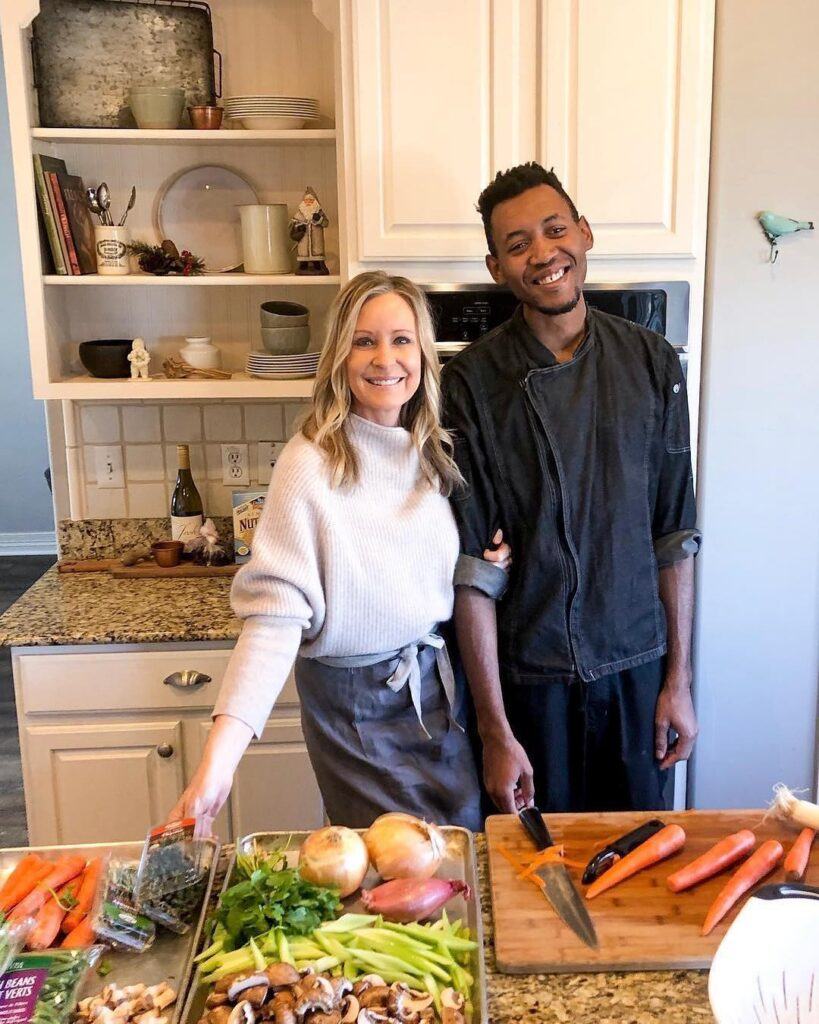
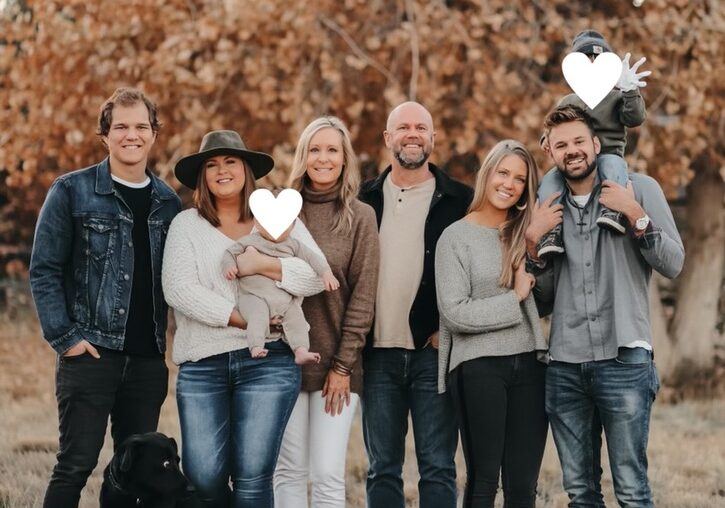
It is hard to believe that Spring break has arrived and Easter is this weekend. Easter means time with family, a small pause for gratitude, the beauty of Spring….and of course chocolate!
I hope this weekend finds you with the ones you love, with time to relax and to think about what spring renewal means to you. March has been a wonderful month with a lot of excitement but a little rest and reset is in order. Here is to a joyous Easter filled with hope, renewal and new life.
CHARITY MATTERS.
YOUR REFERRAL IS THE GREATEST COMPLIMENT, IF YOU ARE SO MOVED OR INSPIRED, WE WOULD LOVE YOU TO SHARE AND INSPIRE ANOTHER. If you enjoyed today’s episode, please connect with us:
I think one of the greatest gifts is meeting new people. There is nothing better than learning about people’s lives, their passion and their stories. These days we meet people so often online which is how I met Anika Jackson, on LinkedIn. When we later had a phone call it was an instant connection. Anika went to USC, teaches at USC and is a nonprofit founder and a helper. It was such a treat when she invited me to be a guest on her podcast, Your Brand Amplified. You can listen to our conversation here.
In addtion to being a teacher and full-time podcaster, Anika is the co-founder of Learn Grow Lead, a nonprofit that teaches regenerative farming in Ghana, Africa. Their organization works in partnership with local agriculture school programs to encourage farmers to farm naturally without pesticides. Then the profits from the farm are fed back into the community and help fund an orphanage, provide nutrious meals and help to pay school fees for students who would otherwise be forced to work.
So the next time someone reaches out, take a minute to connect and learn someone else’s story. I so enjoyed learning Anika’s and grateful she is sharing mine and amplifying Charity Matter’s work with her audience. The power of connection inspires us all to make a difference.
CHARITY MATTERS.
YOUR REFERRAL IS THE GREATEST COMPLIMENT, IF YOU ARE SO MOVED OR INSPIRED, WE WOULD LOVE YOU TO SHARE AND INSPIRE ANOTHER. If you enjoyed today’s episode, please connect with us:
Life is full of serendipity if you pay attention. A few weeks back I went and visited my old grade school. When I was talking to the Principal, Joe, something came up about Charity Matters. Joe said, “You should talk to my wife. She has an amazing nonprofit.” And so I did and I can’t wait for you to meet the incredible Marcie Gilbert. Marcie is the co-founder of the nonprofit Calibrate.
The serendipity didn’t end there, Marcie’s beautiful work is very similiar to mine, working with youth leaders who in turn mentor other leaders. So join us today for an inspirational conversation to learn about Marcie’s incredible work with Calibrate.She is a ray of sunshine and will leave you feeling warm and inspired.
Here are a few highlights from our conversation:
Charity Matters: Tell us a little about what Calibrate does?
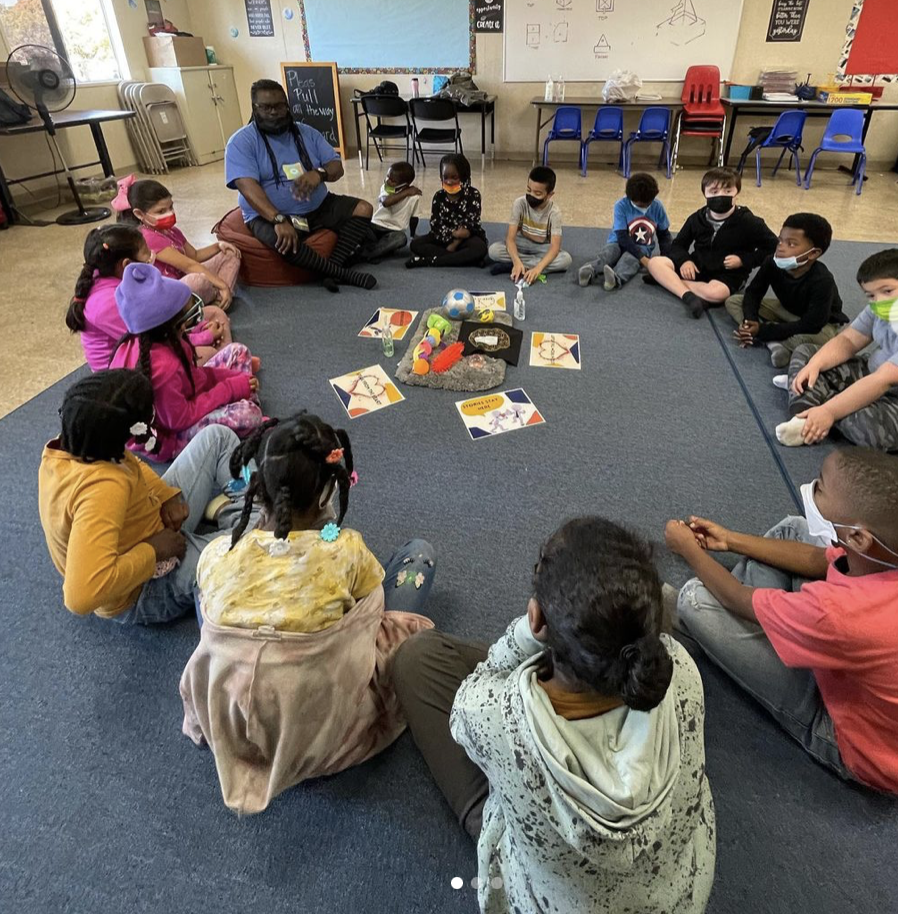
Marcie Gilbert: Calibrate’s mission is to transform the lives of young leaders from under resourced communities to make them feel valued and prepared to reinvest their time back into their community. We have three primary activities of focus. One of them is we want to provide the social emotional foundation for our youth in under-resourced communities to be able to thrive. We do that through a program we call Connections,that has been in Los Angeles schools since the mid 1980s.
Our second activity is we are interested in creating a virtuous cycle of generational health. We are training young adults from our communities. Typically, these are alumni of our Connections programs, to go back and reinvest in their communities. Calibrateraises money in order to pay those young adults to go back and reinvest in their communities by leading the Connections programs. And then the third activity that we have is coalition building, because we know that to have impact, we need to all come together as a village.
Charity Matters: Did you grow up in a philanthropic family?
Marcie Gilbert: Both of my parents were intensively philanthropic, constantly volunteering on a weekly basis. My mom was always involved in so many different things. One of the things that I always thought was really cool is that she took children’s books, and she transcribed them into Braille. That was those of the days before the Braille typewriters. And so you had to actually literally pinprick each of the letters and I just remember her doing that. What might be a very tedious task, for pages and pages. And so it was everything. It’s part of my DNA.
Charity Matters: Tell us how Calibrate started?
Marcie Gilbert: There used to be a place called the Ojai Foundation that was a mecca for all kinds of philosophical and spiritual leaders in the 70s. There was a man named Jack Zimmerman, who created a program which was called Counsel. There was a school in Santa Monica that was started by a man named Paul Cummins called Crossroads. Paul and Jack were friends. Jack said, “Let’s bring this program to Crossroads.”Crossroads implemented this program.
In 1994, when I graduated college, I became connected with Paul and Crossroads. I was trained to be able to deliver this program, which we call Connections. The following year, Paul started a new school called New Roads. He recruited me as part of the founding team. Everybody was trained and this was the social emotional foundation for our school. I went to my professor and I said, “Can I make Connections my focus of my thesis?” Over the course of the year I surveyed all these alumni, and everybody said that Connections was the foundation that allowed them to thrive. 95% of those students went on to have post secondary degrees as compared to 17% of their local peers.
One of Paul’s missions was to bring private school education to communities that had not been exposed to those kinds of whole child’s social emotional enriched environments. Charlotte Johnson, who was my principal and my mentor, is one of the co-founders of Calibrate.And she said, “You need a nonprofit.” and I said, “No, I don’t.”
We started programming in August 2019. We should have been shut down March 2020. But instead it had the opposite effect to the pandemic because suddenly everybody became aware of the term social emotional learning. The reality is everybody became in touch with the need for connection.
Charity Matters: What fuels you to keep doing this work?
Marcie Gilbert: The Anthonys, Murenas, Becky, Chris, Alana or Tina, I could name all 120 people who I work within our collective Calibratecosmos. I work with the most extraordinary individuals and the moments that I get to go and visit our sites. A little fourth grade girl named Ari and her hugs and smiles. Her mom named Brittany who has the biggest heart of anybody I’ve ever met. I think about volunteers, like Lynn, who basically retired and made Calibrate her job.
I think about our community of alumni who just really get this and just really are the heart of Calibrate pumping all that understanding into the rest of the organization. Our board is miraculous, our community partners Mark and Trey, and our program partners. When I opened my eyes in the morning it’s that whole entire vibe of people that spread that feeling of good.
Charity Matters: When do you know you have made a difference?
Marcie Gilbert: The testimonials and the feedback from those who write to me to sit into Connections. When I hear a teenager say literally this program kept me from committing suicide. We know we have made a difference.
Charity Matters: Tell us what success you have had and what your impact has been?
Marcie Gilbert: it’s the qualitative testimonials that are the most important. Last semester, we had students who were seniors at Cal Poly Pomona who partnered with us. They took a random sample of thirty-five 8th graders, who had received between eight to 10 connections over a five week period. What they did was honed into the qualitative data, where children were able to articulate specific, observable behaviors in other environments outside of connection.
For example,I’m no longer fighting with my mom to get my homework done. I am raising my hand in class. I’m not afraid to ask my teacher for help. So those kinds of things where they were able to show what we call an education, a generalization of behaviors, and 67% of those that random sample were able to say things like,” I feel more confident, I’m a better listener.”
We have a unique insight because we sit in these Connections to circles, which are living storytelling circles. And so we get those opportunities to hear the things like the suicidal ideation or the decision to go back to college. You know, we had a bunch of kids graduate high school and they were going to be first generation kids to go to the east coast to different colleges. I was panicked to create a Connections program for them virtually. The rate of attrition can be very high for them to stay in college and finish.
The students told me, ” We don’t really need this because actually, we’re doing it on our own. We take the train, and we meet each other at least two times a month. And when we sit together we’re checking in, and we’re asking each other and we’re soliciting in each other equal chances to tell each other stories. It’s not a formal Connection, but we’re using tools from Connections, to keep ourselves to connect it to keep ourselves supporting one another.” Those kinds of comments are gold.
Charity Matters: If you could dream any dream for your organization, what would that be?
Marcie Gilbert: The reason why is if we’re really creating an organization that’s of the people for the people, and we’re really fulfilling our mission of elevating these young leaders from our communities to come in and take over. I just really want our young adults to be able to have their own dreaming, and not be just mired. I know that the community of alumni want a school again.
Charity Matters: How has this journey changed you?
Marcie Gilbert: I have stretched and grown. I had to learn how to not take things personally. Not to trip, not to overthink, to set boundaries on self care. That weight of the world feeling that you described earlier. When I was a little girl, when I would get anxious my sister would say to me, “What’s the worst thing that could happen?” What’s astounding to realize is that’s not true with Calibrate.
God forbid, we didn’t have a penny in the bank, we’re not going to stop. This is a community of people who believe so deeply in the programs and the mission that it will just keep marching forward until we get the next infusion of cash. Right? So you just know it’s going to be okay.
Charity Matters: What life lessons have you learned from this experience?
Marcie Gilbert: I feel like what I have learned along the way is about leadership. I’m the person that so many people are looking t0o. And as I said to you before we started this podcast, I am an introvert. So it’s doing a great job of hiding. Something I’ve learned is that you can actually lead from behind. What I have to lean on is the organizational culture that we’re creating. Because it is one of shared leadership.
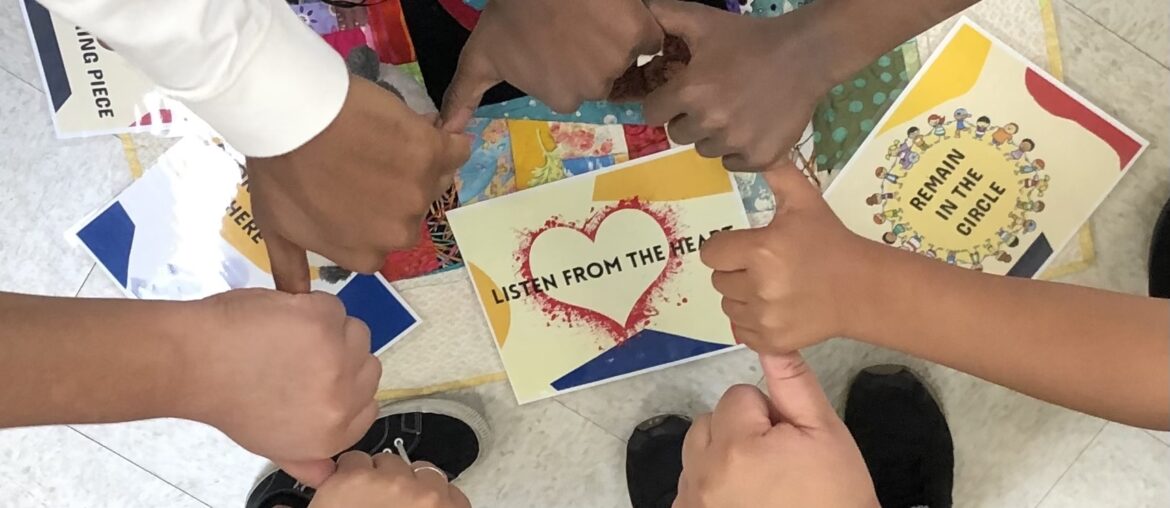
We are the circle, we want to be the principles and values that we espouse in connections that we’re all holding this up, we all have equal voice. I have a lot of amazing people who can independently and successfully go and take a ball of something and run with it. So really, what I’m doing is steering the ship and keeping us tacking north.
CHARITY MATTERS.
YOUR REFERRAL IS THE GREATEST COMPLIMENT, IF YOU ARE SO MOVED OR INSPIRED, WE WOULD LOVE YOU TO SHARE AND INSPIRE ANOTHER. If you enjoyed today’s episode, please connect with us:
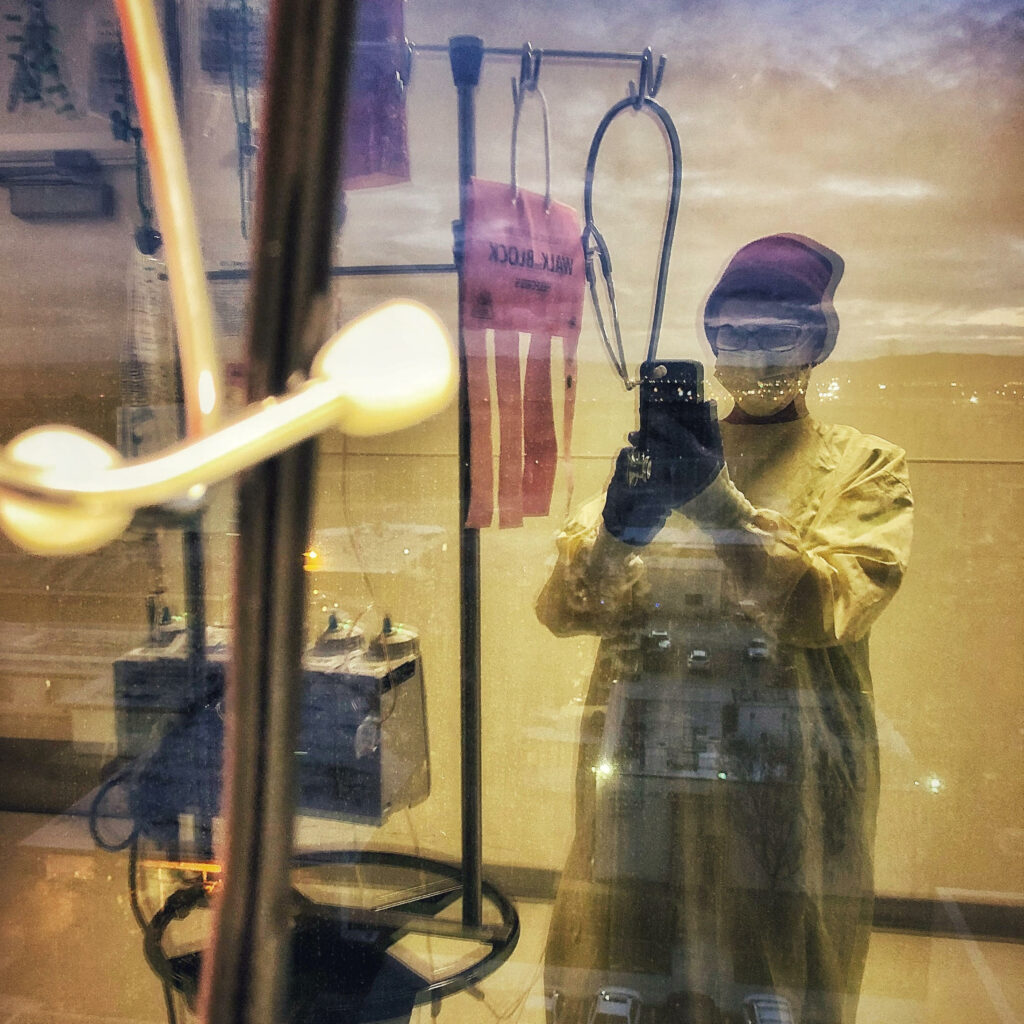
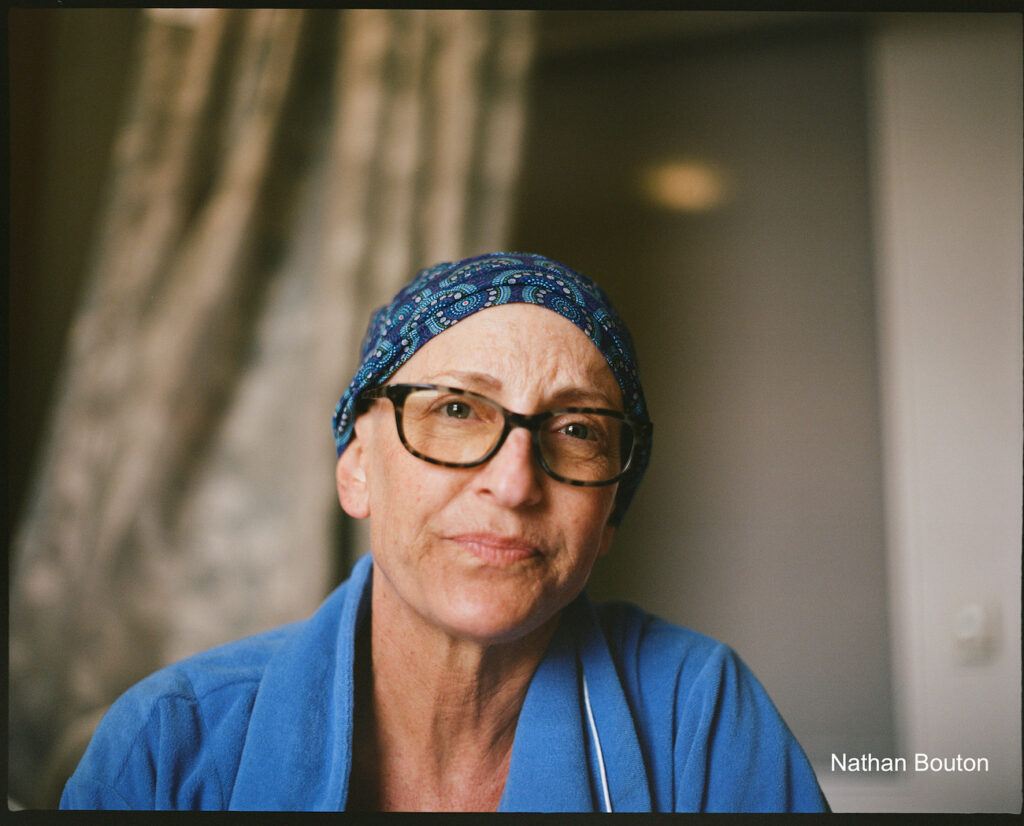
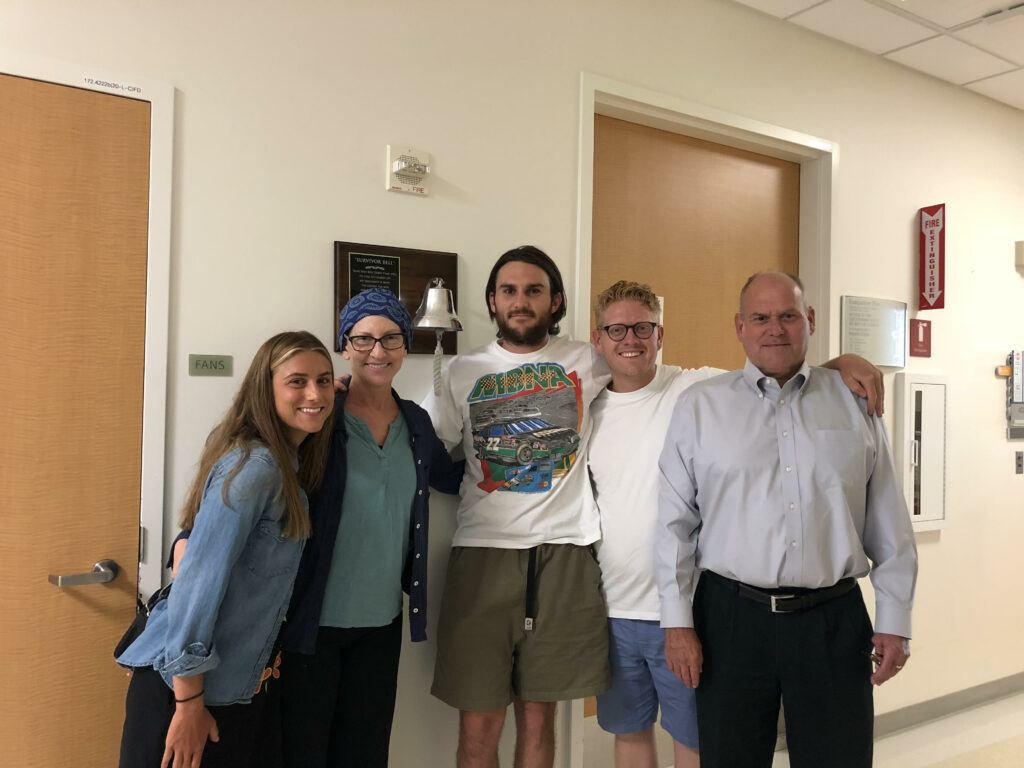
Years ago when I lost my mom, someone said to me, “The greatest gift you can give the world is a life well lived.” Today’s guest is a fantastic example of just that. In full disclosure, I have known our guest Dana Bouton for probably twenty years. We have raised our children in the same community. Dana sent me an email explaining that her cancer had returned and was now terminal. She was determined to use the time she had left to leave a lifetime legacy to the City of Hope. The Dana Pepper Bouton Endowment Fund will help families financially devastated by cancer.
Join Dana and June Penrod from City of Hope to learn how one person can make a difference for so many living with cancer. Dana’s humor and insight will inspire you and make you think about how you live. She is a true example of the quote above and what really matters. During our conversation I made Dana a promise that I would re-publish her podcast on her birthday each year as a reminder and a legacy of her work, so Happy Birthday Dana! Cheers to another amazing lap around the sun. Thank you for reminding us all how to live.
Here are a few highlights from our conversation:
Charity Matters: Tell us a little about what The Dana Pepper Bouton Endowment Fund will do?
Dana Pepper Bouton: The idea of the fund was set up to help families who are navigating the difficult diagnosis of cancer to have resources for support. They want world class care in hospitals and need to get transportation, gas, child care, groceries, and a multitude of other things. So this fund is set up to kick out money in the form of gift cards, to help these families get to City of Hope. More than having the best possible care but receiving some supportive care on the side of having to deal with their loved one being a patient.
June Penrod: What we do is provide state of the art treatment. So we are really the champion when it comes to precision medicine of being able to fight cancer. Not only at the cusp of when it’s worst in your body, but also in the beginning phases of helping our population screening for cancer. So we really did the entire gamut from A to Z on cancer treatment for all patients in Los Angeles and Orange County.
We are really proud of the impact that we are having on cancer patients in the nation. The role that I specifically play is acquiring resources for what we call our Department of Supportive Care Medicine. It is one of the unique elements of City of Hope that make it so special. Supportive Care is basically the emotional and spiritual arm that comes out of the cancer journey that patients go through. So while they can focus on the treatment with their doctors, Supportive Care medicine wants to focus on their emotional care journey. Then they are really focused on their cancer treatment and not having to worry about any of the external factors that might get in the way of that journey.Charity Matters: What was the moment you knew you needed to act and start this endowment?
Dana Pepper Bouton: I was diagnosed with stage four non Hodgkins lymphoma in January of 2018. And here we are about five and a half years later. I’ve had multiple rounds of chemotherapy, back to back bone marrow transplants, a few operations, infusions, and transfusions. Now I’m terminal after all of those treatments. You know, I can’t can’t control the fact that the doctors say, “there’s nothing more we can do for you, except try to keep you alive a few months at a time.”
So I’ve lost the ability to kind of control how long I thought I would live. I came to the conclusion that I haven’t lost the ability to create a legacy for other people. Even though I’ve had basically what I simply call very bad luck because there’s no genetic component to how sick I’ve been. I’ve also been very blessed. And I’ve had multiple resources, in terms of financially supportive community to help me along the way.
After spending so much time in the hospital, and listening to June and others talk about the supportive care that City of Hopeoffers. I can create a legacy after I’m gone to help hundreds of people and that makes me feel really good. In fact, being terminal is really not that big of a deal in terms of how many people I can impact during the few months, maybe six months a year that I have left. This brings me such great joy and working with June and seeing her enthusiasm and the people around me who want to give. I just want to work as hard as I can to reach out to as many more people as possible. And I do have a tendency to accost people in the market.
Charity Matters: What fuels you to keep doing this work?
Dana Pepper Bouton: I would say number one, I’ve had incredible support at City of Hope.And I also think, knowing that I have very limited time left, I see and feel and touch and smell in here so acutely. But I’m just really inspired by my enhanced senses. And so I love to capture what’s around me from macro to landscape, and put that on my website and share that in the form of wall art or greeting cards, postcards, and sell them, and how those proceeds go to my fund.
I’ve laid in bed for sure, and had had some really hard days. But seeing, feeling, talking to people and really hearing and really listening just propels me to keep going. I know that when I am dying, I’m not going to regret being so tired. While taking pictures, or being with people, I would only regret that maybe I just stayed in bed and felt sorry for myself. After I die, I want my fund to continue. So I’m pushing to get the word out.
Charity Matters: When do you know you have made a difference?
June Penrod: Dana is a great example. I think she doesn’t mind being the dramatic story of philanthropy, of this woman who should be taking care of herself but instead she’s taking care of others. Even though she received a terminal diagnosis, I mean, look at what she’s doing now. We have folks who say, we have a great life that we’re living now, thanks to City of Hopeand we want to contribute more.
But we do also have folks who say, “My loved ones are not here with me anymore, but I love the compassion and the care they received.” And so we want to give. Then there are folks who have never stepped foot into the hospital but they know the great work that we do. And they want us to be their charity of choice. That blows my mind as well.
Charity Matters: If you could dream any dream for your organization, what would that be?
Dana Pepper Bouton: My dream is that after I die, I want this fund to continue in perpetuity. So my dream is to keep spreading the word as long as possible. Then have my family and other people give money once or twice a year, in perpetuity.
Charity Matters: What life lessons have you learned from this experience?
Dana Pepper Bouton: I appreciate when people talk to me out of just accepting where I’m at, and not trying to tell me that I don’t have hope. I have hope. And I also know that I’m going to die. Maybe within a few months, or perhaps, you know, a year. I think that the biggest life lesson is to listen to people in terms of where they’re at in their head. And don’t try to talk them out of something that might be their actual reality. I know that people have their own fear, but set that aside and try to put yourself in somebody else’s place.
Charity Matters: How has this journey changed you?
Dana Pepper Bouton: There are two big changes. One is that I had the arrogance of aging, I thought I would live as long as my grandmother, who lived almost to the age of 102. I assumed it would be just like that. And that was very arrogant on my part. I’ve learned in the last six years or little over five years, I guess, that was just very presumptuous of me. And I’m quite humbled and I find that now to be a blessing. And I also think it’s funny.
I think my sense of humor has gotten quite rivaled. The other thing is that I’ve had to learn to slow down and not be busy, which I really liked. But I’ve accepted the fact that I can slow down. If I’m in pain, it’s okay to lay back down and listen to podcasts like your podcasts, and audiobooks and dream. My imagination has become so acute because I’ve been forced to lay down, forced to take a break. I willed myself to pivot and it took a while. And I’m proud that I had the strength although it took a long time to finally accept, don’t find it pivot. Find those blessings, and there’s new magic.
CHARITY MATTERS.
YOUR REFERRAL IS THE GREATEST COMPLIMENT, IF YOU ARE SO MOVED OR INSPIRED, WE WOULD LOVE YOU TO SHARE AND INSPIRE ANOTHER. If you enjoyed today’s episode, please connect with us:
As I shared with you at the beginning of the year, I am writing a book. A lifetime goal, a dream, and a bucket list item for sure. Along with that dream comes the vulnerability, the fear, the procrastination and the reality of deadlines from publishers. All of it is new, all of it is exciting, terrifying, exhilarating and a little overwhelming all at once.
I write to you every week and thought how difficult can this be? It can’t be that much harder. Believe it or not, it is. What is difficult is the voice in my head and the million new ways I have found to procrastinate. I don’t think I have procrastinated like this since college. It is the same feeling of an impending deadline that feels so far off and then you blink and its March and three chapters are due. Terror strikes, the brain freezes, panic sets in and then you have to get to work. You have no choice.
In January, I was walking with my girlfriend Sue and sharing some of these feelings. She turned to me and asked me the most beautiful question, “Do you want an accountability partner?” A resounding YES! was my answer. She then asked me what I needed to do first and by when. I went on to explain that if I could just have a detailed outline to write from by the third week in January, it would make me feel better. True to her word, she texted me, checked in and sure enough, I made my self imposed deadline to my new accountability partner. One item off the checklist down and just a book to go, no problem.
Next, I told myself once I attend my publisher’s event in mid February, then I will have a better sense of things. I did attend an amazing day where they hosted The Voices of 100 Women which is a documentary that they are filming and I am excited to be a part of, more on that later. The time with fellow women authors, many first timers like me, was amazing! I came home energized and ready to go. I wrote the forward and the first chapter and felt great.
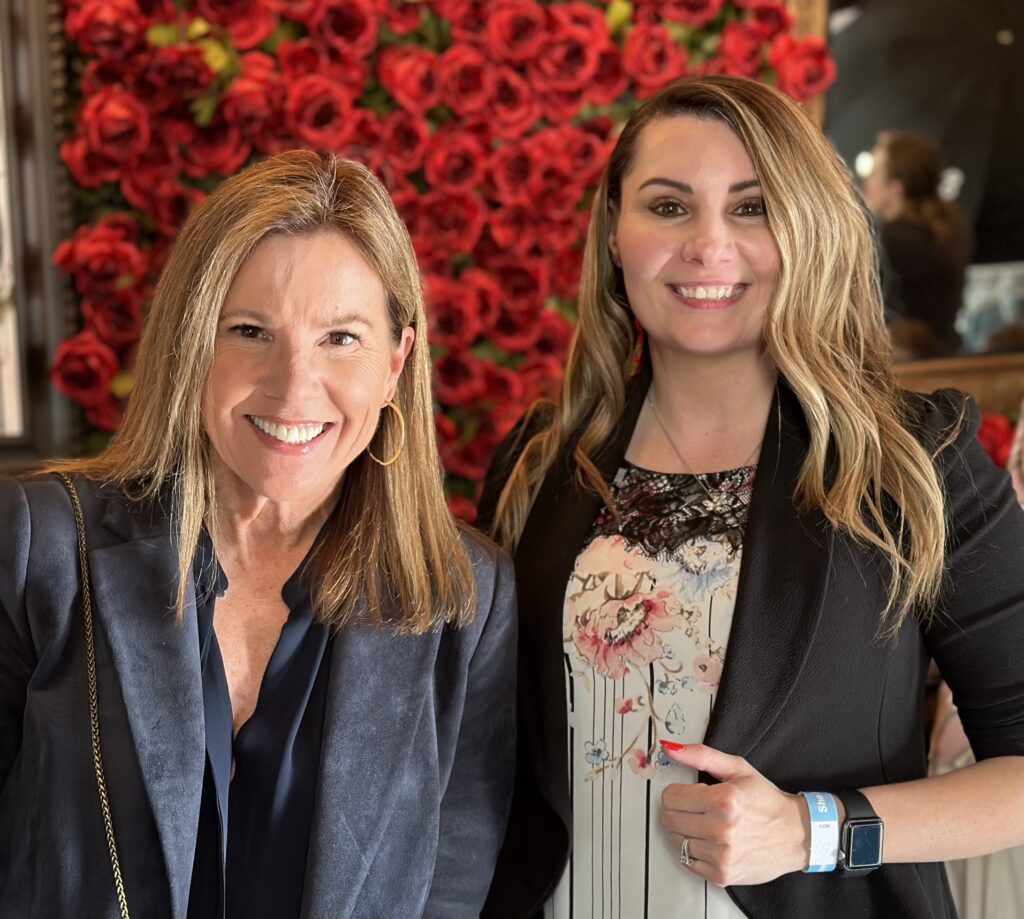
Then life got in the way a little bit and rather than writing, I found myself listening to a podcast about writing a book. Next, I found myself joining writers groups to learn ways to create writing schedules. Simply another clever procrastination technique. I’m learning so many new ones it’s hard to know which one to use instead of doing my work. When I asked one of the amazing authors, Cindy Witteman, what she does when she is stuck. Cindy replied, ” I write a handwritten letter to the person I’m trying to talk too and I tell them my message in my handwritten note.” The light bulb went off. By the way, you may remember Cindy from our recent podcast about Driving Single Parents and the nonprofit she founded. Once again, a nonprofit hero to the rescue! Cindy is in the photo above.
I have to confess that I am writing to you instead of working on the book right now but for the past twelve years we have done everything together. I am grateful that you are coming on this journey too. If a week goes by and you don’t hear from me, don’t worry, just know that I’m doing my work and making those deadlines!
CHARITY MATTERS.
YOUR REFERRAL IS THE GREATEST COMPLIMENT, IF YOU ARE SO MOVED OR INSPIRED, WE WOULD LOVE YOU TO SHARE AND INSPIRE ANOTHER. If you enjoyed today’s episode, please connect with us:
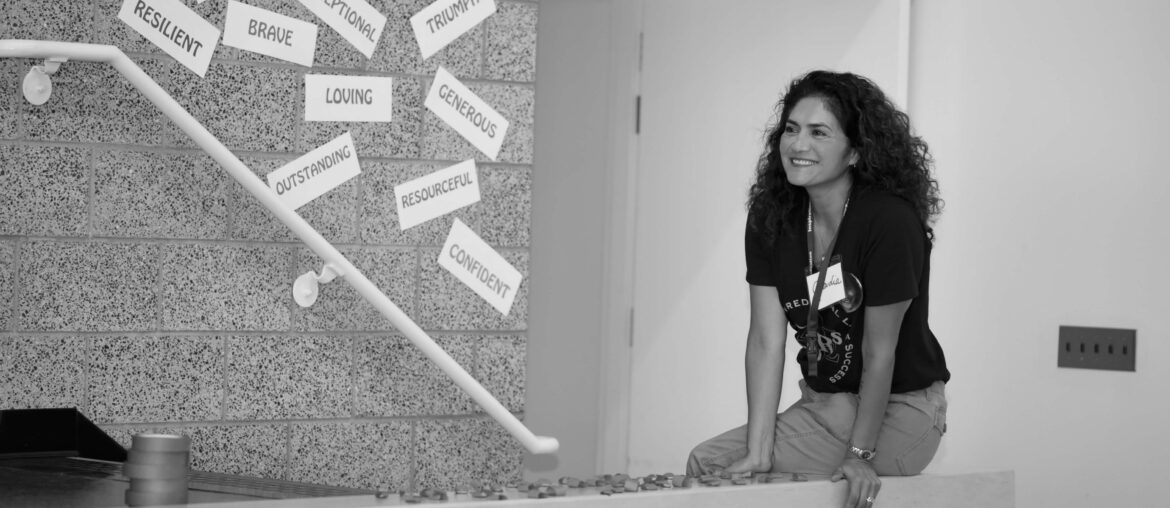
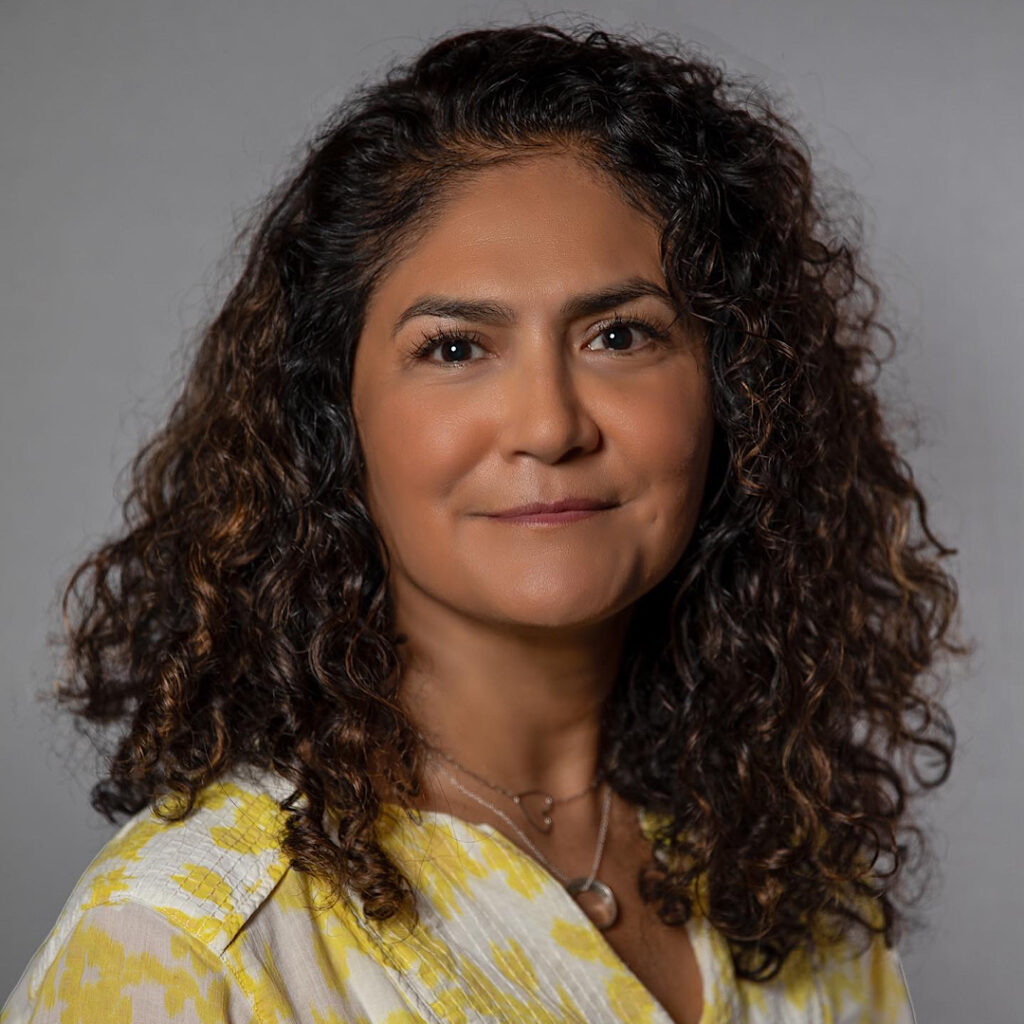
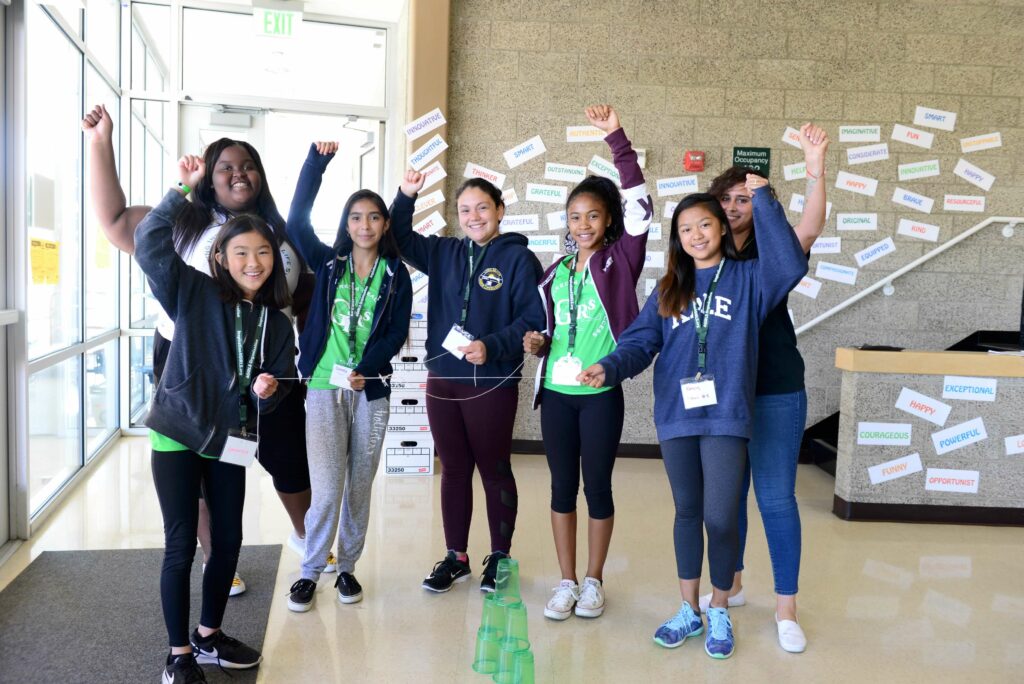
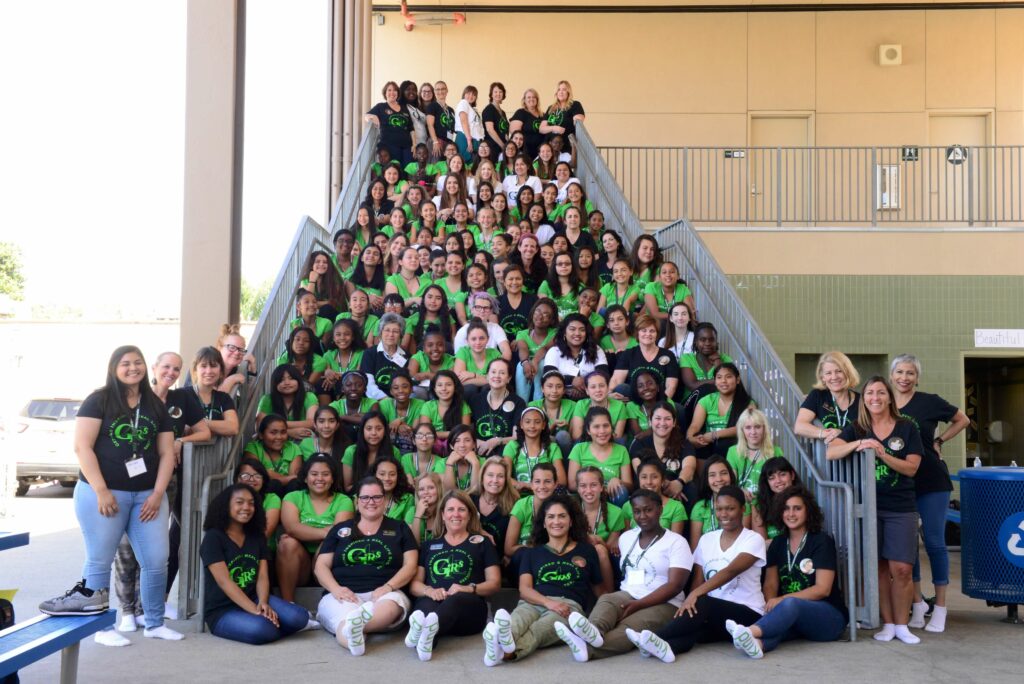
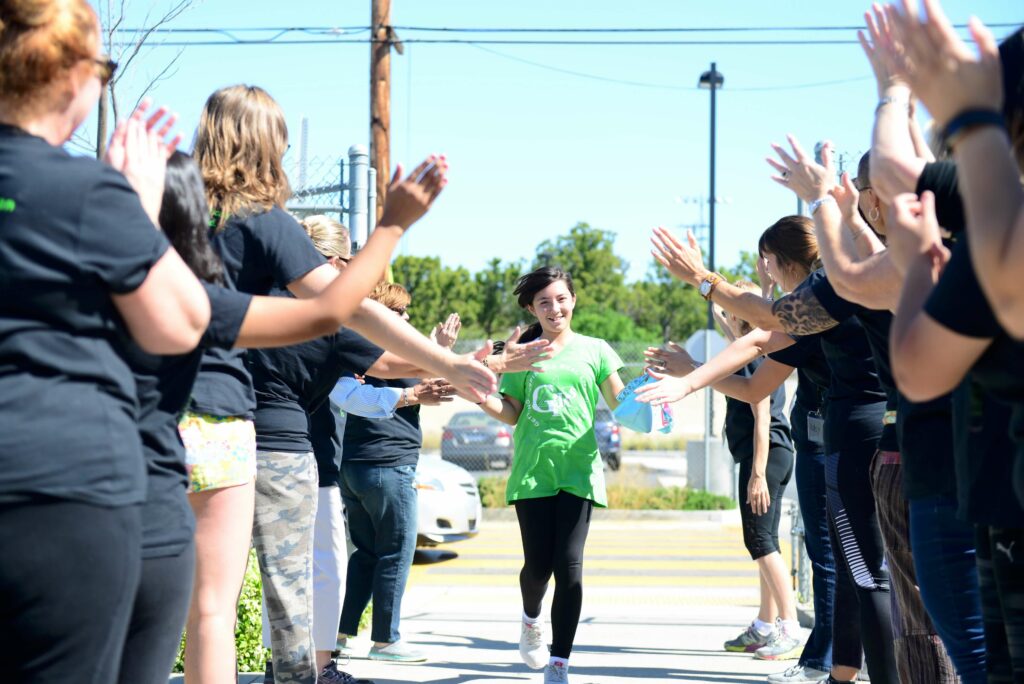
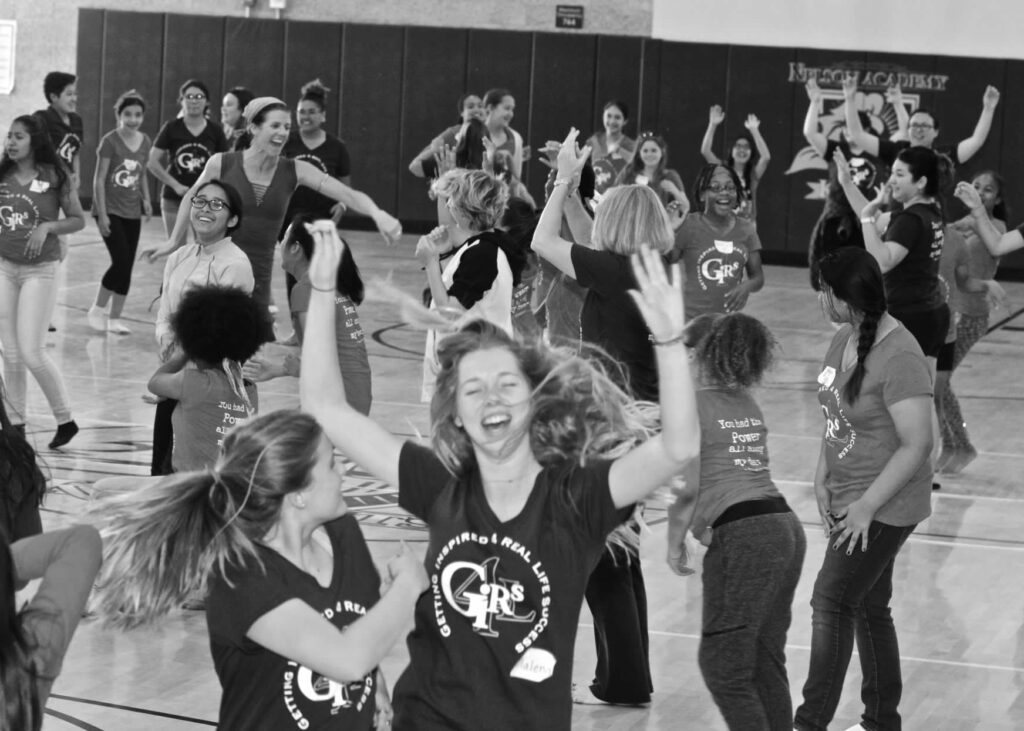
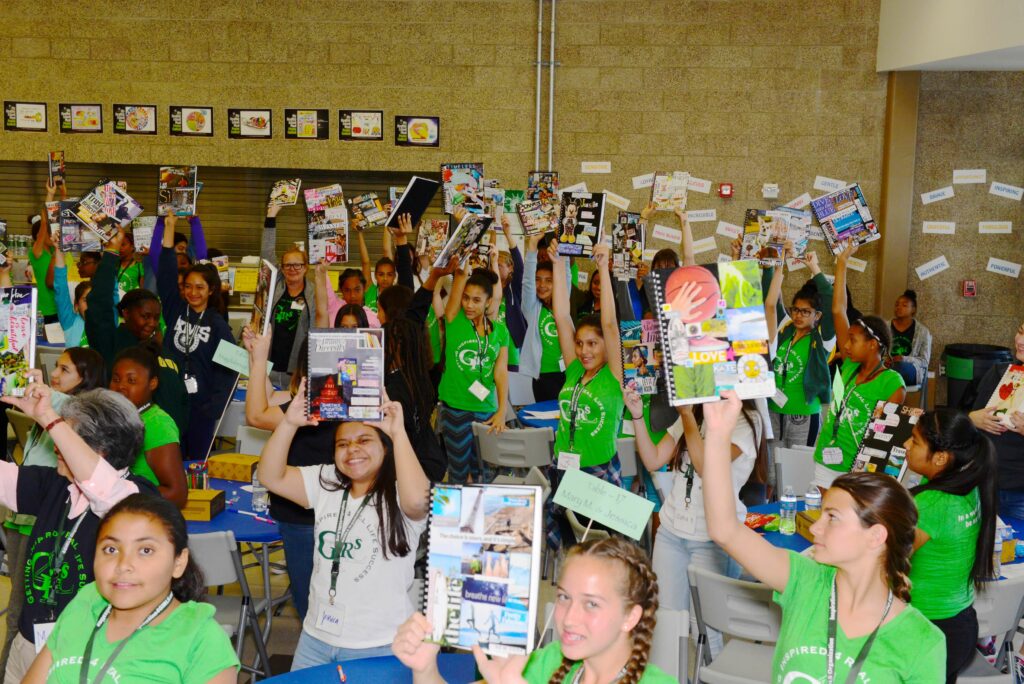
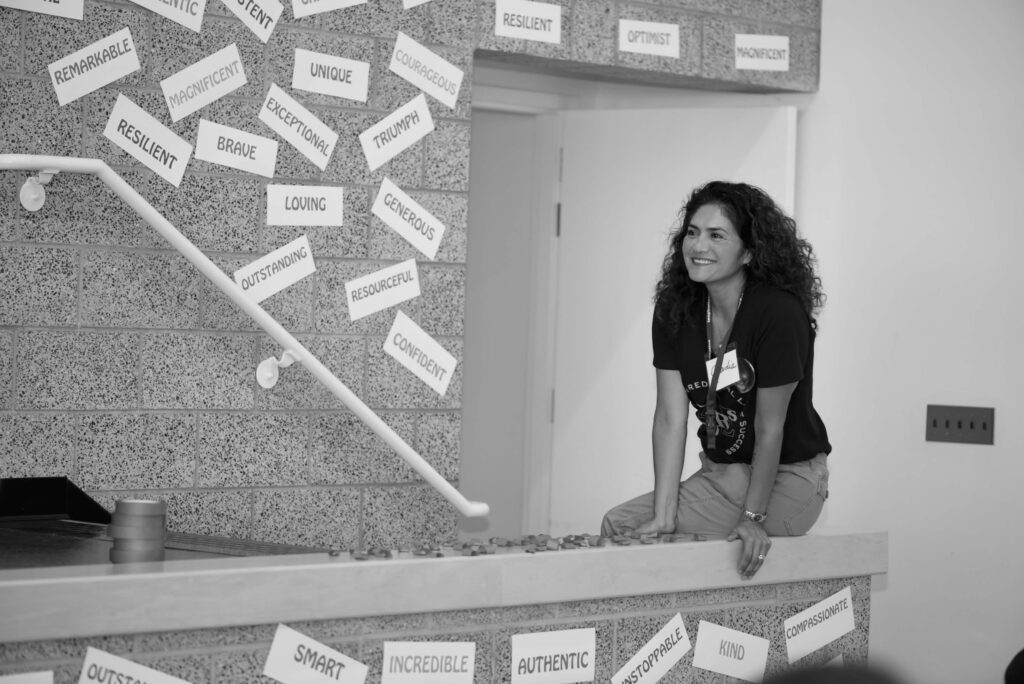
A few weeks ago a friend reached out and said, “Heidi, you need to know Claudia.” She was right, I did. You do too. So I am excited to introduce you today to the founder of 4GIRLS, Claudia Copely. Join us for an empowering conversation about her amazing work helping young girls to identify themselves as authentic, confident and resilient preparing them for real life success.
Here are a few highlights from our conversation:
Charity Matters: Tell us a little about what 4Girls does?
Claudia Copely: Our mission is to empower and inspire middle school girls so that they identify as confident, authentic and resilient. Preparing them for real life success.
Charity Matters: Did you grow up Giving Back?
Claudia Copely: I did not learn philanthropy or giving back in my household. I grew up in a household that was very dysfunctional, and there was a lot of trauma. It was more about let’s just survive, let alone do any type of philanthropic work. There was a piece of me that helping others is innate. I think all of us know to our core what is true. I think my one of my core values is generosity and connection. I love meeting new individuals and connecting. So I think for me it was a drive that was big for me.
Charity Matters: What was the moment you knew you needed to act and start 4Girls?
Claudia Copely: So I was at a women’s conference and there were 100,000 people there. The central theme from the host, Maria Shriver, was what are you gonna do for your community? How are you going to be an architect of change? I was so inspired, empowered, and I left there driving home thinking what am I gonna do? I can be an architect of change. Then all of a sudden, this voice crept into my head, and it said, ” What are you gonna do? We’re gonna want to be part of anything you do.” It stopped me in my tracks.
I followed the thread. And I thought for me it was middle school, that tough time where I just didn’t know what to do with myself. I just felt lost, not just because of the trauma and dysfunction in my house but I just felt so alone. I’m the only one experiencing all this. Driving home from the conference, I thought why not have a conference similar to what Maria Shriver has done brilliantly? Lets focus just on empowering and inspiring middle school girls, just that target.
I polled all of my friends and everybody across the board said Middle School was the hardest time. I decided that I’m going to create a community. I had to read Nonprofits for Dummies because I was coming from the corporate world.
Charity Matters: What are your biggest challenges?
Claudia Copely: I think the biggest challenges were at that time and still are visibility and outreach. We are a 100% volunteer organization. With what I get paid I could not buy a loaf of bread. But I could light up a room. Being a 100% volunteer organization is a good really good thing, or a really bad thing
Charity Matters: What fuels you to keep doing this work?
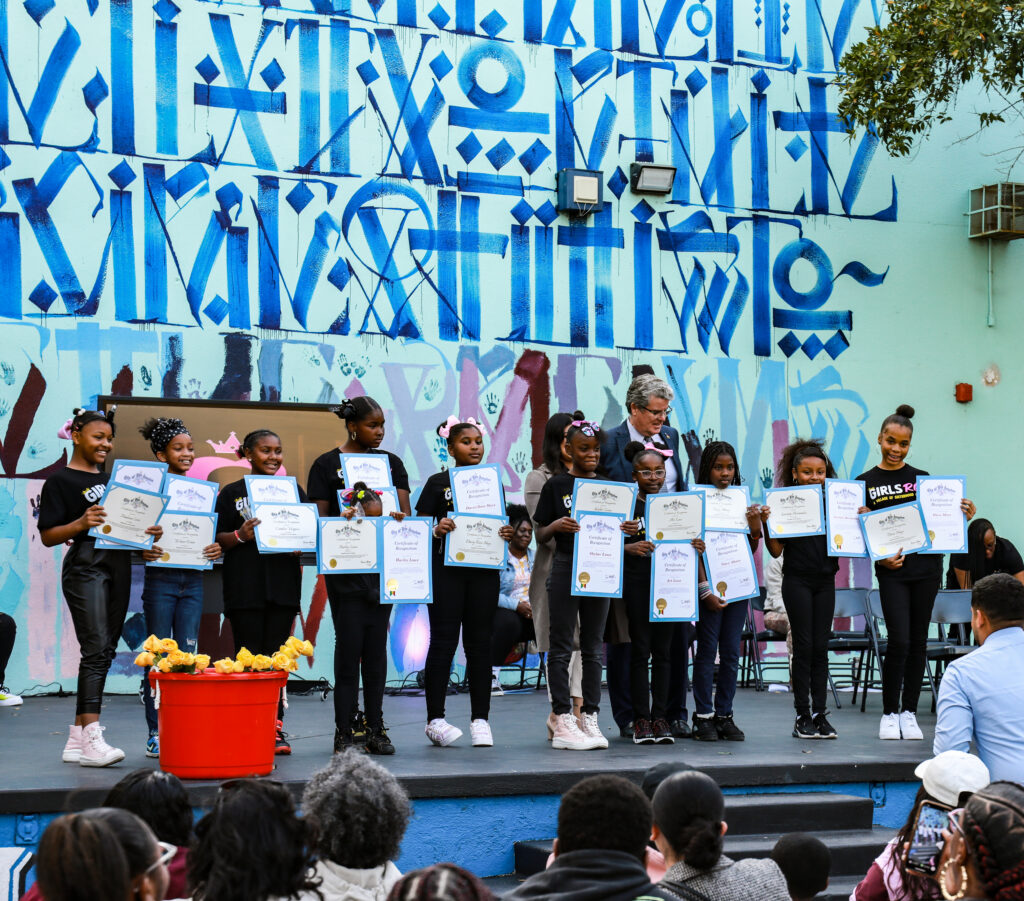
Claudia Copely: A few things, first the communit. The connection to some really great amazing humans that are really talented, hardworking women that I’m surrounded by. It’s beautiful to see what we create for these girls. At the end of the two day workshop, we invite girls to come up to the stage and to share their empowering word. We have words all over the room, so they can pick one. But some of the girls that come up are thinking, “I would never come up and speak in front of a room full of people.
By Sunday, there’s a line to come up and share their empowering word. And we ask them to do that in order to give them a sense of identity. They can have this word that they can grow into and see how it feels. There’s been many girls throughout the 13 years. But there was one in particular, who said,” My word is valuable. Because before this workshop, before today, I didn’t realize how valuable I was. Now I know that I’m valuable.” It gets me every time.
Charity Matters: Tell us what success you have had and what your impact has been?
Claudia Copely: You can’t put on a grant paper or proposal, a parent coming up to you and saying, “Oh, my gosh, what did you do to my child? They are a whole different person, they believe in themselves, they have more confident, they’re engaging with us. Thank you!” The mother will tell me with tears in her eyes. Thank you.
Then the second, which I’m seeing it right before my eyes. So we now have a few girls that had gone through the program when they were in sixth grade, seventh, and eighth grades. Then they became high school as mentors all through high school. Now they’re in their first years of college and they’re sitting with us at the board table. They are being part of the workshop team, which helps us to create the agenda, the curriculum, and stay relevant to what the girls need. They’re there with us in the trenches, creating this, this workshop and forming it to the next generation. That impact is that the seeds that were being planted are now going to be harvested.
Charity Matters: If you could dream any dream for your organization, what would that be?
Claudia Copely: I would say visibility and outreach. I think because we still are like considered a grassroots organization. I’d love that broader reach.
Charity Matters: What life lessons have you learned from this experience?
Claudia Copely: I’ve learned that we are more common than we are different. That’s for sure. I’ve learned that we really want to be seen, heard and validated. Most of us really want to connect with other people. And I really enjoy making those connections and working with individuals that have different perspectives. I get to learn from all these amazing humans.
Charity Matters: How has this journey changed you?
Claudia Copely: The journey has provided me with a strong sense of my purpose. I know I love empowering individuals. While my degrees are in international business, but I’m now trained and accredited as an empowerment coach. That fulfills me so much and fuels me. I’m definitely more purposeful, more mindful, more aware. Everybody gets to participate on this earth. We’re here at this moment and that’s all we got. Let’s give each other room to create and be who we want to be
In order to do this work I had to change my life. I had to let go of those limited beliefs in order for 4GIRLS to be born and to help it. If I would have stayed with those limited beliefs and my self sabotaging behavior this would have never happened. So I just I love helping individuals letting go of those beliefs. We all have them. Let’s do what we can get rid of them. When we can move the inside, beautiful, magical things happen.
CHARITY MATTERS.
YOUR REFERRAL IS THE GREATEST COMPLIMENT, IF YOU ARE SO MOVED OR INSPIRED, WE WOULD LOVE YOU TO SHARE AND INSPIRE ANOTHER. If you enjoyed today’s episode, please connect with us:









 It is hard to believe that Spring break has arrived and Easter is this weekend. Easter means time with family, a small pause for gratitude, the beauty of Spring….and of course chocolate!