Tag

Charity Matters. Heidi McNiff Johnson

Browsing

Walking With my Mom

The Gift of 60

Have you ever heard a man talk about how long he thinks he will live based on the age his father died? I certainly have. In fact, I heard my dad do it for years. Men who lose their fathers often keep one eye on the calendar. As they approach the age their dad was when he died, they naturally begin to wonder what lies ahead.

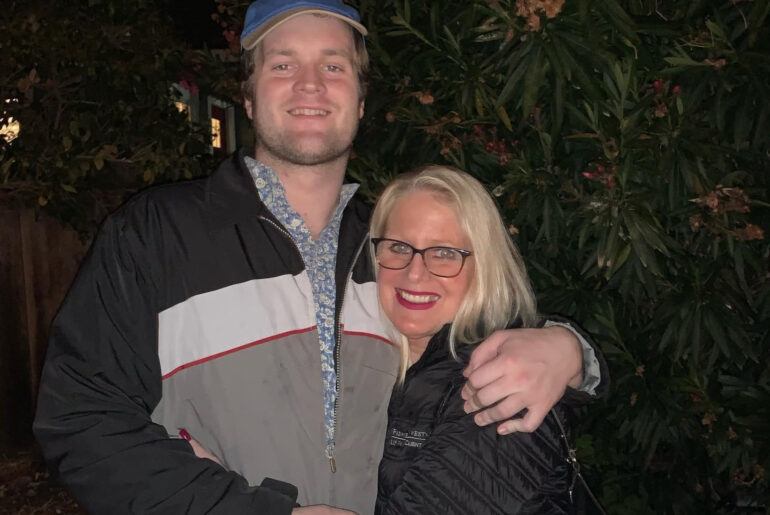
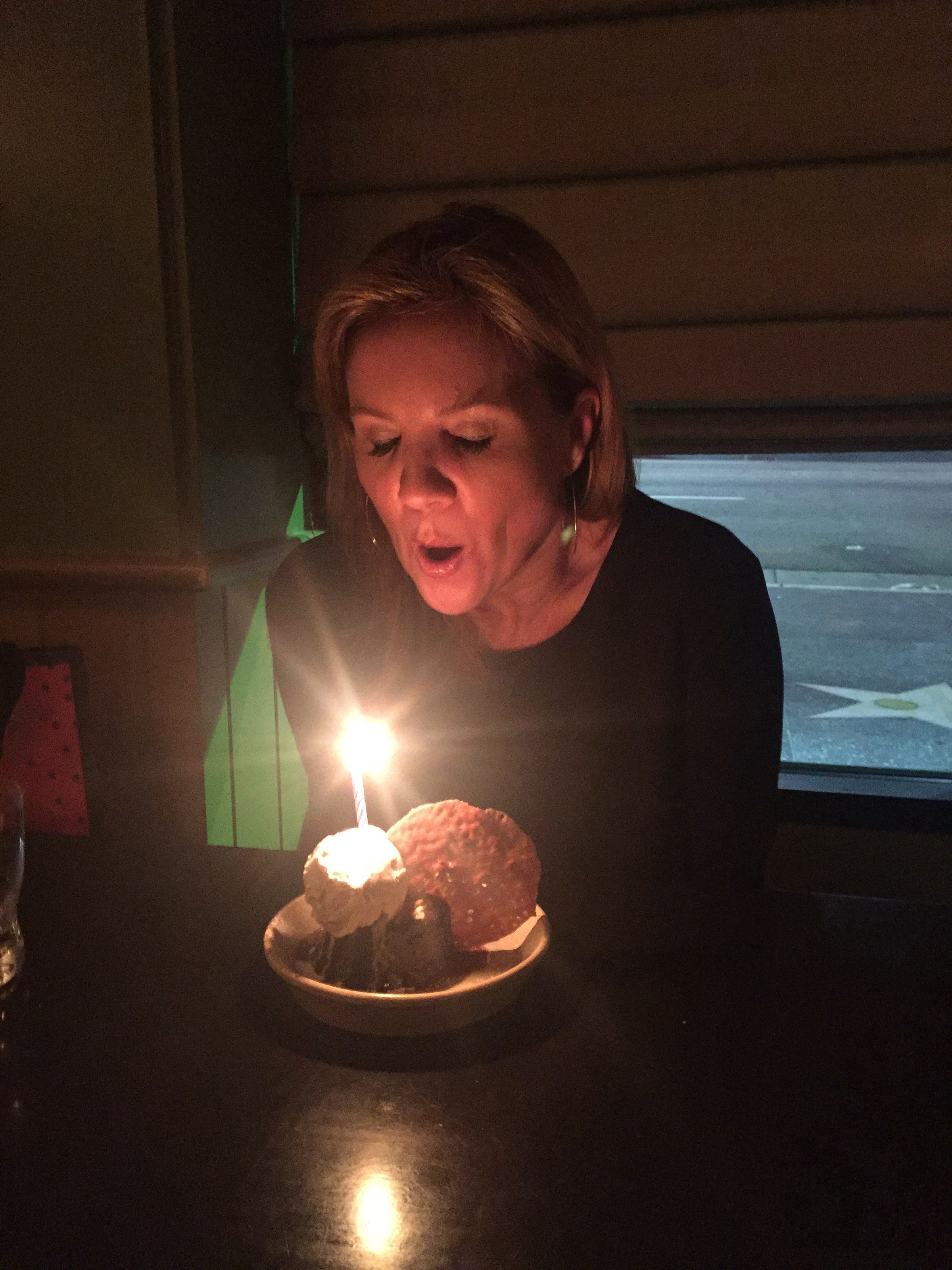
However, I had never heard a woman talk that way. Until now. My mom died at the age of 60. This past week I turned 60. To say that number hasn’t been on my mind would be a lie. For years, I thought this was something only men did. Then suddenly, I found myself standing at the exact age where my mother’s story ended. That realization has stayed with me and made this birthday sit a little different.

Looking Back

When my mom died, I was only 35 years old. At the time, she didn’t seem old at all. She was a grandmother to three children and was eagerly awaiting the arrival of a fourth grandchild. More importantly, she was thriving.

Joy followed my mother everywhere. She laughed easily, loved deeply, and shared wisdom without ever preaching. Most of all, she had reached a wonderful season of life where she was finally doing what she wanted to do. By then, worries had loosened their grip.

The children were grown. Financial concerns had settled down. Other people’s opinions mattered less. Instead, she focused on what brought her happiness: traveling, working, spending time with friends, and loving her grandchildren. In short, it was finally her time.

Now that I have arrived at this same age, I finally understand what she was feeling. I especially miss her this birthday.

When Time Feels Different

Women spend so much of their lives caring for others. First come the children. Then there are spouses, careers, friendships, volunteer commitments, and eventually aging parents. Meanwhile, the years seem to move faster and faster.

Before long, you wake up and realize you are 60. Something shifts. Suddenly, time feels a little more precious. An alarm bell quietly rings somewhere in the distance. As a result, you start asking different questions.  How many more chances will I have to ski, hike, travel, laugh, and explore?

Perhaps that is why turning 60 feels different. It isn’t really about the number. Instead, it is about recognizing that time is a gift. I am reminded of that old soap opera opening: “Like sands through the hourglass, so are the days of our lives.”

At this stage, there is clearly less sand in the top half than there is in the bottom. Therefore, paying attention feels more important than ever.

Choosing Adventure

Age isn’t a number. Rather, age is an attitude. Even more than that, age is energy.

Each day gives us a choice. We can stay comfortable, or we can keep growing. We can sleep in, or we can get up before sunrise and walk with friends. We can avoid risk, or we can choose adventure. Unfortunately, comfort can quietly become a habit.

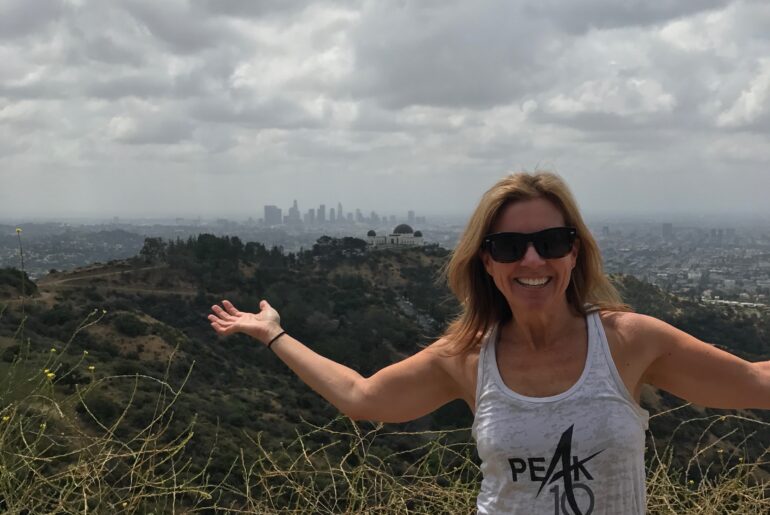
Even after tearing my calf while skiing this year, I still cannot wait to get back on a mountain. Recovery has been slow. Some days have been frustrating. Nevertheless, I would rather risk getting hurt doing something I love than spend my life sitting on the sidelines. That choice matters.

Interestingly, my mother lived the same way.

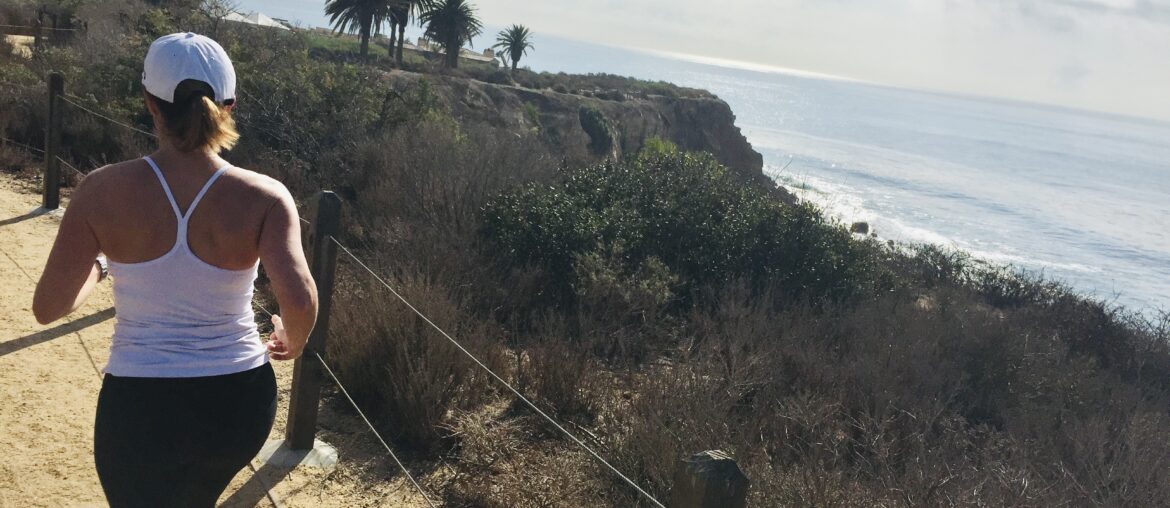
Whether it was walking the Rose Bowl with girlfriends at dawn, swimming in a cold lake, or saying yes to another trip, she kept choosing life. While many people slow down, she leaned in. As a result, she showed all of us what was possible.

Walking With My Mom

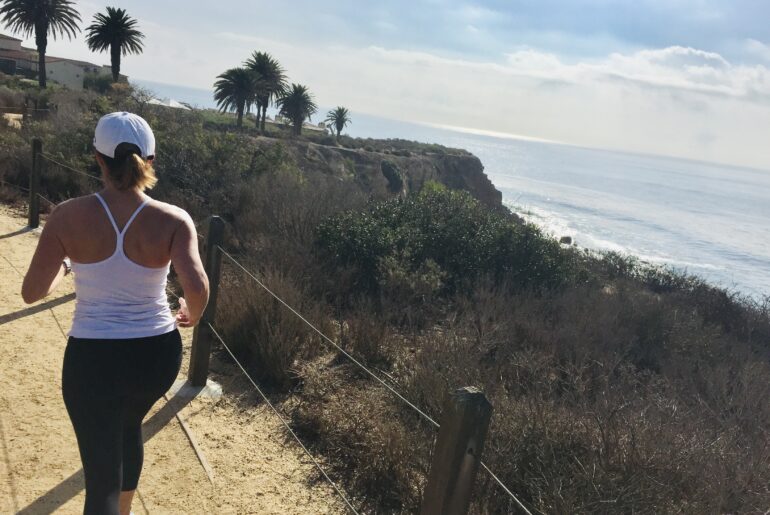
I spent ten days walking the Camino de Santiago. Throughout the journey, thoughts of my mother were never far away. In fact, I felt her presence almost every day.

During difficult climbs, I thought about her strength. Whenever my legs were tired, I imagined her cheering me forward just as she always had. Because of that, the trip became far more than a physical journey. It became a gift.

Perhaps the cord between parent and child is never truly cut. Even after death, something remains. Love remains. Memory remains. Connection remains. As I walked through Portugal and Spain, that connection felt stronger than ever. Although she was not physically beside me, I felt her encouragement in countless moments.

Without question, that was one of the greatest gifts of turning 60.

The Gift Is This

After all the reflection, the lesson feels surprisingly simple:

Live.

Not someday. Not when the timing is better. Not when the to-do list is finished.

Live now.

Feed your soul. Nurture your spirit. Call the friend. Take the trip. Watch the hummingbird. Eat the good bread. Furthermore, don’t rush through the small moments. Enjoy the blue sky. Listen to the song you love. Savor a great conversation. Laugh a little longer than necessary.

Those gifts are all around us.

Unfortunately, we are all moving too fast to notice. The Camino reminded me to slow down. It taught me to listen more carefully, notice more deeply, and appreciate more fully. Although daily life makes that harder, the lesson remains the same.

Slow down. Pay attention. Find joy. Choose gratitude. Most importantly, choose life.

My mother’s journey ended at 60. Mine feels like it is just beginning.

As I step into this new decade, I am not focused on how much sand remains in the hourglass. Instead, how I want to make every grain count. Because if turning 60 has taught me anything, it is this: Life is precious and life is short. Joy is available, if we look for it. And every single day is an invitation to fully live. The choice is ours….

CHARITY MATTERS.
 

YOUR REFERRAL IS THE GREATEST COMPLIMENT,  IF YOU ARE SO MOVED OR INSPIRED, WE WOULD LOVE YOU TO SHARE AND INSPIRE ANOTHER. If you enjoyed today’s episode, please connect with us:

Copyright © 2026 Charity Matters. This article may not be reproduced without explicit written permission; if you are not reading this in your newsreader, the site you are viewing is illegally infringing our copyright. We would be grateful if you contact us.

The Journey Ahead

Walking Into 60

For the past few months, I honestly wasn’t sure what this summer would look like. After my ski accident in February, life suddenly became much smaller. There were surgeries, crutches, a boot, physical therapy appointments, and countless frustrating moments simply trying to do the basic things we all take for granted. As a result, my world slowed down in ways I never expected. When you go from moving freely through life to struggling to take a single step, perspective changes quickly.

That is why preparing to leave for the Camino feels emotional in ways I never anticipated.

In just a few days, I will head to Portugal with dear friends to begin walking the Camino de Santiago as part of celebrating my 60th birthday. Even writing those words feels surreal. Only a few months ago, I couldn’t walk at all. Now, however, I am preparing to walk one of the world’s most historic pilgrimage routes one step at a time. Honestly, it feels like such a gift.

The Journey Ahead

For centuries, pilgrims from around the world have walked the Camino searching for something meaningful. Some walk for healing, while others seek faith, clarity, forgiveness, adventure, or transformation. Along the way, each traveler carries their own burdens, hopes, questions, and stories.

Lately, people keep asking me what I am hoping to find on this journey.

The truth is, I’m not walking in search of anything.

Instead, I hope to simply be present enough to receive whatever the journey wants to offer. Somewhere along the road between Portugal and Spain, between quiet mornings and aching feet, between laughter with friends and moments of silence, I trust there will be lessons waiting.

After all, life teaches us when we slow down enough to listen.

Perhaps that is why the Camino has drawn people in for generations. In a world that constantly tells us to hurry, produce, achieve, and consume, the Camino invites something entirely different. Walk slowly. Carry only what you need. Notice the people beside you. Pay attention to the beauty around you. Trust the next step.

There is something deeply beautiful about that rhythm.

As I stand on the edge of turning 60, I realize this season of life may be inviting the same thing. Less rushing and more presence. Less proving and more gratitude. Less noise and more purpose.

Lessons From Recovery

Without question, these past few months have reminded me repeatedly that health is not something to take for granted. In addition, community matters deeply. Purpose matters too. During difficult moments, you quickly discover who truly shows up for you.

Some people text encouragement. Others pray faithfully. Many bring meals, offer support, or simply remind you not to give up. Throughout this recovery, I have felt incredibly carried by love.

At the same time, another unexpected gift arrived this week that left me emotional in the very best way.

The Charity Matters Podcast was recognized by Million Podcasts in multiple national rankings for 2026:
#7 Best Charity Podcast in the United States
#15 Best Philanthropy Podcast
#44 Best Nonprofit Podcast

Additionally, the podcast was recognized in categories focused on changemakers, social impact, advocacy, kindness, nonprofit leadership, and philanthropy.

Gratitude For This Community

When I first started Charity Matters all those years ago, my only hope was to shine a light on good people doing extraordinary things to help others. Back then, I never imagined where this journey would lead. More importantly, I could never have imagined the incredible community that would grow from it.

According to Million Podcasts, their rankings are based on audience engagement, consistency, authority within the space, ratings, reviews, and podcast activity. Behind every one of those statistics are real people. More specifically, all of you.

Many of you listen faithfully each week.
Others generously share stories and encourage friends to tune in.
Still more continue showing up because you believe kindness matters and goodness matters. Because of this community, we continue putting more good into the world together.

That recognition felt like the most beautiful early birthday gift because it reminded me that this work matters. Stories matter. Encouragement matters. Service matters. Most importantly, goodness matters.

Buen Camino

As I head off toward Portugal and begin walking into this next decade of life, my heart is filled with gratitude. Gratitude for healing. Gratitude for friendship. Gratitude for this beautiful community. Most of all, gratitude for every lesson these difficult months have brought.

Although I don’t know exactly what the Camino will teach me yet, I do know this: life itself is a pilgrimage. In one way or another, we are all walking each other home.

If I have learned anything over these past sixty years, it is that the journey becomes infinitely more meaningful when we walk it with love, purpose, faith, and kindness.

I promise to share more reflections when I return.

Until then…Buen Camino.

Charity Matters

YOUR REFERRAL IS THE GREATEST COMPLIMENT,  IF YOU ARE SO MOVED OR INSPIRED, WE WOULD LOVE YOU TO SHARE AND INSPIRE ANOTHER. If you enjoyed today’s episode, please connect with us:

Copyright © 2026 Charity Matters. This article may not be reproduced without explicit written permission; if you are not reading this in your newsreader, the site you are viewing is illegally infringing our copyright. We would be grateful if you contact us.

Episode 105: Ripple Effects Artists

What if art wasn’t just something we experienced but something that moved us to act? This week’s Charity Matters episode introduces you to Jessie Fahay, a true “Ripple Effects Artist” who is transforming the way we think about theater, storytelling, and service. Jessie doesn’t just create powerful productions ….she creates experiences that spark conversations, challenge perspectives, and connect audiences directly to the people and causes working to change our world. Her work sits at the intersection of art and advocacy, reminding us that when we feel something deeply, we have a responsibility to do something with it.

Jessie’s journey is a beautiful example of what happens when passion meets purpose. From performing in meaningful productions like The Diary of Anne Frank to asking herself the life-changing question, “What is my life actually for?” She found a way to use her gifts to elevate others. In this inspiring conversation, Jessie shares how one idea turned into a 15-year movement, the lessons she’s learned along the way, and why even one small ripple of action can create lasting impact. This episode will leave you thinking differently about the power of creativity and your own ability to make a difference.


Here are a few highlights from our conversation:

Charity Matters: Tell us a little about what Ripple Effects ARTISTS does?

Jessie Fahay: We are predominantly a theatrical production company, but what makes us unique is that everything we produce is rooted in purpose. We create theater and sometimes film or radio plays, that raise both awareness and funds for human rights organizations and advocates.

After every production, we host talkback conversations which are panels that feature leaders whose work directly connects to the themes of the show. So it’s not just about experiencing art and walking away. It’s about engaging, asking questions, and creating a space where audiences can connect what they’ve just seen to real-world action.

Charity Matters: What experiences did you have as a child that influenced your work?

Jessie Fahay: There wasn’t just one moment….it was really a collection of experiences that shaped me.

One of the most impactful was touring as an actor with The Diary of Anne Frank. It was an educational production for students, and after every show we would have these deep, thoughtful conversations about prejudice, bigotry, and history. I saw firsthand how powerful theater could be not just as entertainment, but as a catalyst for dialogue and understanding.

Then there were experiences in high school, like when Columbine happened. We did a production called Bang Bang You’re Dead, which explored the root causes behind school violence. That was another moment where theater wasn’t just art but it was a way to process, question, and try to understand the world.

And living in New York, I’ve had the privilege of seeing incredible theater. Shows like The Normal Heart left me emotionally undone…..but more than that, they left me wanting more. I didn’t want the experience to end when I walked out of the theater. I wanted to keep talking, keep unpacking, and ask, “What now?” That feeling stayed with me.

Charity Matters: What was the moment you knew you needed to act and start Ripple Effects ARTISTS?

Jessie Fahay: It really came down to a question someone asked me: What is your life actually for? That question changed everything. It shifted me from thinking about what I wanted to do to thinking about what I was here to contribute.

I realized I understood powerful theater. I knew what meaningful storytelling looked like, and I also knew there were incredible nonprofit organizations doing important work that needed a platform. And it just clicked. I could bring those two worlds together.

All of my past experiences funneled into that moment. It wasn’t just one play or one experience, it was everything combined. But that question gave me clarity. It gave me direction. It made me see that this wasn’t just a career idea it was my contribution.

Charity Matters: What are your biggest challenges?

Jessie Fahay: In the beginning, the biggest challenges were simply figuring everything out. The logistics, the paperwork, how to even become a nonprofit….it’s a lot. We didn’t officially incorporate until 2013, even though we started in 2009. And beyond that, you have to be okay wearing a lot of hats. You’re an entrepreneur, a producer, a fundraiser, a marketer…..you’re everything.

You’re constantly pitching, not just a product, but a mission. You’re asking people to give their time, their money, their energy. You’re building something that depends on other people believing in it. And that’s both the challenge and the beauty of it. You’re constantly connecting people to something bigger than themselves. But it takes resilience, and it takes a willingness to keep going even when it’s hard.

Charity Matters: What fuels you to keep doing this work?

Jessie Fahay: It’s the moments when I see the model actually work. When we have a talkback after a show and the audience is engaged and when you can feel that something has landed, that something has sparked…..that’s everything.

It might be a small theater, it might be a modest audience, but when people get it, when they connect the dots, there’s nothing better than that. It’s similar to what teachers describe when a student finally understands something. That moment of clarity, that moment of connection….that’s what fuels me.

Charity Matters: When do you know you have made a difference?

Jessie Fahay: We’ve actually looked at some data, and about 5% of our audience takes immediate action during the show…..signing petitions, committing to volunteer, or deciding to donate. But beyond the numbers, it’s those connections that matter.

It’s when someone discovers an organization they’ve never heard of even though it’s right in their own city and decides to get involved. It’s when people from completely different worlds come together and realize they care about the same issue.

That’s when I know we’re making a difference…….when awareness turns into action, even in small ways.

Charity Matters: Tell us what success you have had and what your impact has been? 

Jessie Fahay: We’ve been doing this for over 15 years, and we’re heading into our 17th season. That alone is something I’m incredibly proud of. We’ve created a model where art and advocacy work together…..where theater becomes a platform for real-world impact.

We’ve helped bring visibility to organizations that people didn’t even know existed. We created spaces where audiences don’t just consume art, but engage with it and act on it. And while the numbers matter……the attendance, the funds raised, the actions taken…..it’s really about those moments of connection. Those are the true measure of success for me.


Charity Matters: If you could dream any dream for your organization, what would that be?

Jessie Fahay:  I would love to see Ripple Effect Artists on a Broadway stage…..creating work that is not only artistically excellent, but also deeply impactful. But beyond that, the bigger dream is that this model becomes something widely adopted—that the arts and advocacy become more deeply connected across all disciplines.

There is so much powerful art being created, and there is so much important advocacy work happening. Bringing those two together creates something even more meaningful. I truly believe that can elevate both the credibility of the arts and the reach of advocacy. That’s the vision.

Charity Matters: What life lessons have you learned from this experience?

Jessie Fahay: One of the biggest lessons is that this work isn’t for everyone…..and that’s okay. Not everyone wants to engage with heavy, thought-provoking theater. Not everyone wants to be involved in this kind of work. And I’ve learned not to try to convert people.

If I could go back and tell myself anything, it would be: don’t spend so much energy trying to make people fit. Let them find their own path, and focus on finding the people who align with yours. That shift would have saved me a lot of time and energy.

Charity Matters: How has this journey changed you?

Jessie Fahay: This journey has required me to grow in ways I didn’t expect. I’ve had to learn how to embody different energies…..to be compassionate and open-hearted, but also strong, clear, and sometimes firm.

Running a nonprofit means making tough decisions, setting boundaries, and leading with clarity. You can have a big heart and still be a strong leader. And I’ve also learned to meet people where they are and to accept what they can give, without expectation or judgment.

At the end of the day, this work has made me more resilient, more grounded, and more committed to the idea that we all have something to contribute. And when we find what that is, and give it away, that’s when real change happens.

CHARITY MATTERS.
 

YOUR REFERRAL IS THE GREATEST COMPLIMENT,  IF YOU ARE SO MOVED OR INSPIRED, WE WOULD LOVE YOU TO SHARE AND INSPIRE ANOTHER. If you enjoyed today’s episode, please connect with us:

Copyright © 2026 Charity Matters. This article may not be reproduced without explicit written permission; if you are not reading this in your newsreader, the site you are viewing is illegally infringing our copyright. We would be grateful if you contact us.

Progress not perfection: A 2026 Progress Report


At the beginning of this year, I shared something very personal with you. I shared my dreams for 2026 and my commitment to making this year different. Not because last year was bad, but because sometimes life calls us to step forward more intentionally. And as I approach a milestone birthday, turning sixty next month, I knew deep down that I wanted to close out this decade with purpose, courage, and a little bit of adventure.

So today is simply a progress report.

Since July of 2011, you have walked alongside me on this journey through Charity Matters. You have been my sounding board, my encouragement, my accountability partners, and quite honestly, my inspiration. When I wrote my Dreams for 2026 post, it felt a bit like standing at the edge of a new chapter. I wasn’t entirely sure what it would look like, but I knew that if I was going to dream big, I needed to act.

The first promise I made to myself this year was to grow. To do something that scared me and stretched me in ways that show vulnerability. For me, that meant committing to something that both excites and terrifies me…..public speaking. I like to talk and maybe a little too much sometimes. While I do speak to nonprofit groups, leadership conferences, and audiences who care deeply about service. I really want to improve, to refine the message and  become a better storyteller.

In February, I committed to taking a public speaking class. Not because I had to, but because I wanted to get better. I wanted to sharpen the message of service that has changed my life and that sits at the heart of Charity Matters. I wanted to better craft the stories that remind people that helping others is not just something nice to do, it is often the very thing that heals us.

Each week in class we work on refining stories, clarifying our message, and identifying the tools we can give an audience so that they leave not only inspired but empowered to act. It has been challenging and invigorating all at the same time. Some days I leave feeling confident, other days humbled, but every week I know I am exactly where I am supposed to be. Because if we believe in growth, we have to be willing to do the work.

Like many of us, I set great New Year’s goals around health and fitness.  I had big plans…exercise, strength, preparation for the adventures ahead. And like so many things in life, those plans hit a bit of a detour. Right now, instead of running around at full speed, I find myself learning to walk again since my ski accident in February. The crutches are gone and now replaced with a cane.  This was certainly not part of the plan. In fact, if I’m honest, it has been a lesson in patience and humility. But as we all know, the best laid plans sometimes take their own path.

Healing takes time, and perhaps this is simply a reminder to slow down and listen to the body as much as the heart. There hasn’t been much choice.  I have been working so hard in physical therapy because I have had a clear goal for healing and regaining strength for what lies ahead. And what lies ahead is something I am incredibly excited about.

This year, in celebration of turning sixty, a group of friends and I will be traveling to Spain to walk the Camino de Santiago together. If you have ever dreamed about walking the Camino, you know that it is more than just a physical journey. It is a pilgrimage. One that offers reflection, friendship, laughter, and a chance to reconnect with what matters most.

Until recently, it was a little unclear if I would be able to make it. Doctors said that I am good to go. As a result, I have been working so hard physically to rehab. This trip is the result of one of the best decisions  made this year  which was scheduling our fun first. Instead of waiting for the calendar to magically create space for joy, we put it there ourselves. We made the commitment to adventure, to friendship, and to celebration. Now life is simply filling in the cracks around those moments. And honestly, that might be one of the biggest lessons of this year so far.

Too often we plan work first and hope life fits in somewhere later. This year we flipped that script. We planned the joy, the connection,  the memories and the rest will come. So while the year is only mid way through, I can say this much:  this year has tested me in ways I have not been tested before. Growth is happening. Dreams are moving. Healing, physical therapy and training are all underway. And adventure is on the horizon.

Most importantly, I am reminded once again that dreams don’t come true simply because we write them down. They come to life because we take small, brave steps toward them each day. Thank you for continuing to walk this journey with me. As always, your encouragement reminds me that none of us dream alone.

And if the first few months of this year are any indication, 2026 is going to continue to test me and to stretch me.  Here is to hoping that we all come out stronger on the other side!

CHARITY MATTERS.
 

YOUR REFERRAL IS THE GREATEST COMPLIMENT,  IF YOU ARE SO MOVED OR INSPIRED, WE WOULD LOVE YOU TO SHARE AND INSPIRE ANOTHER. If you enjoyed today’s episode, please connect with us:

Copyright © 2026 Charity Matters. This article may not be reproduced without explicit written permission; if you are not reading this in your newsreader, the site you are viewing is illegally infringing our copyright. We would be grateful if you contact us.

Episode 104: The Power of Sight

What if the moment that changed your life… became the reason you changed someone else’s?

In this week’s Charity Matters Podcast, Episode 104: The Power of Sight, we meet Gianny Cardenas, founder of Power of Sight, a mobile nonprofit bringing vision care directly to underserved communities. But this story is about so much more than glasses. It’s about loss, faith, and the unexpected way purpose can emerge from pain. After the tragic loss of his mother, Gianny found himself searching for healing and what he discovered was that by helping others see, he began to see his own life differently.

This powerful conversation is a reminder that sometimes the greatest impact begins with simply noticing and seeing a need, seeing a person, and choosing to act. From serving over 20,000 people to transforming the lives of children who can finally see clearly for the first time, Gianny’s journey will inspire you to ask: What am I being called to see? Because one small act of awareness can lead to one life-changing act of kindness…and that is how we change the world, one person at a time.


Here are a few highlights from our conversation:

Charity Matters: Tell us a little about what Power of Sight does?

Gianny Cardenas: Power of Sight is a 501(c)(3) faith-based nonprofit organization, and what we do is bring optometry and vision services directly to the community. We’re a mobile nonprofit, so we go to where the need is; to schools, churches, and community events. Then we provide eye exams and glasses, often on the same day.

A big part of our work is in Title I schools. We screen entire student bodies, and statistically about 25% of students will fail those screenings. Those are the students we bring back for full eye exams with licensed doctors. What makes us unique is that we don’t just diagnose, we solve the problem right there. We have a mobile lab, so students can choose their frames and leave with glasses the same day.

At the end of the day, it’s about removing a barrier. Something as simple as a pair of glasses can change a child’s ability to learn, their confidence, and their future.

Charity Matters: What experiences did you have as a child that influenced your work?

Gianny Cardenas:  I’ve been in the optical world for over 20 years. It was actually one of my first jobs out of high school while I was in college. I worked part-time at a corporate optometry office, and one of my tasks was to call families who had received vouchers from the Lions Club for free eye exams.

No one wanted to make those calls, but I remember doing it and hearing the excitement from parents and grandparents. They were so grateful just to get their kids in for an exam and glasses. At the time, I didn’t realize it, but that experience stayed with me.

Looking back now, I can see how that planted a seed. Just hearing how much something so simple meant to people, it impacted me more than I knew at the time.

Charity Matters: What was the moment you knew you needed to act and start Power of Sight?

Gianny Cardenas:  There was definitely a moment, but it came through a lot of pain first.

In 2016, my mom passed away in a tragic accident. She was one of 13 people who died in a bus crash. She was the backbone of our family, and losing her changed everything for me. I fell into depression, anxiety and everything you can think of. I tried therapy, medication, different ways to cope, but nothing really filled that void.

Eventually, I reconnected with an old pastor who helped me through that time. Through prayer and faith, I started to feel peace again. And when that shift happened, I began to see the world differently. Relationships mattered more. People mattered more. Everything looked different.

A couple of years later, I told my wife, “Why don’t we start a nonprofit?” I had always thought about it, but this time it felt real. I wanted to combine everything I knew about optical work with my faith and bring it into the community. In 2020, we started Power of Sight with about 100 donated frames and no doctors—just a vision to serve.

Charity Matters: What are your biggest challenges?

Gianny Cardenas: There are a lot of challenges, especially starting in 2020 during COVID. At first, it was just trying to figure out how to balance everything; my full-time job, my family, and starting a nonprofit.

My wife has been with me from the beginning, and we’ve built this together. We travel a lot for clinics, and we actually homeschool our daughters so they can be with us. Finding that work-life balance has been one of the biggest challenges, but also one of the biggest blessings.

On the operational side, there’s a lot people don’t see…..the insurance, costs, staffing, working with schools, compliance. A lot of it came out of my own pocket in the beginning. I didn’t know if we’d have donors or sponsors. We just moved forward by faith.

Charity Matters: What fuels you to keep doing this work?

Gianny Cardenas:  For me, it’s my faith in God. That’s where I get my strength.

When we started, I thought we’d maybe do one event a month and help 50 people. But it’s grown into something much bigger. We now have staff, 25 doctors, partnerships with school districts and it’s expanded beyond what I expected.

What really fuels me are the moments when we’re serving people. Seeing a child put on glasses for the first time or a parent’s reaction and that’s everything. Those moments remind me why we’re doing this.

Charity Matters: When do you know you have made a difference?

Gianny Cardenas: There was one moment that really stayed with me.

We were at a school, and my dad, who comes with me to clinics, noticed a young girl who reminded him of one of my daughters. She had never had an eye exam before, and her prescription was extremely high. She couldn’t really see the world clearly.

Her mom was emotional and asked if she could get a backup pair of glasses. We said yes, of course. When my dad gave her the glasses, the mom just hugged him and started crying. That was the first time I had seen my dad emotional since my mom passed.

Later that day, I told my wife that everything we had gone through…..the process of starting the nonprofit, the expenses, the challenges and it was all worth it for that one moment.

Charity Matters: Tell us what success you have had and what your impact has been? 

Gianny Cardenas: In the last five years, we’ve helped over 20,000 people and provided 20,000 pairs of glasses. That’s a huge milestone for us, especially considering where we started. But beyond the numbers, the real impact is in the lives we’re changing.

When a child can see the board for the first time, their confidence improves, their grades improve, and their whole experience in school changes. There are studies that show students can improve academically just from getting glasses. We’ve also responded to community needs in crisis situations. During the fires in Altadena and Pacific Palisades, we mobilized quickly and helped 1,200 people with vision care in just six days.

Impact isn’t just numbers…..it’s those individual stories and moments.

Charity Matters: If you could dream any dream for your organization, what would that be?

Gianny Cardenas:  My dream is to be in every school district in California and eventually expand nationwide.

Our program is scalable. Once we have the doctors, equipment, and partnerships in place, we can serve thousands more children. There are so many students right now who are undiagnosed and untreated, especially in underserved communities.

If we can reach them, we can change their future.

Charity Matters: What life lessons have you learned from this experience?

Gianny Cardenas: One of the biggest lessons I’ve learned is the importance of communication.

I used to be someone who worked behind the scenes. But in this work, you have to communicate your story, your mission, what you’re doing. Whether it’s with donors, partners, or the community, communication is key. It also applies personally. During my grief, opening up and talking about what I was going through was a big part of healing.

Another lesson is realizing that you don’t know everything, and that’s okay. I’ve had to rely on professionals such as; attorneys, accountants, mentors….and build a team.

Charity Matters: How has this journey changed you?

Gianny Cardenas: The biggest change happened after losing my mom and growing in my faith. That’s what shifted my perspective and changed how I see the world. But since starting the nonprofit, I’ve also changed in how I approach responsibility. We now have staff, doctors, and families who depend on this work. That’s something I don’t take lightly.

It’s made me more intentional, more transparent, and more focused on doing things the right way. At the same time, I see it as a blessing……to be able to serve others and create opportunities for people to provide for their families through this work.

CHARITY MATTERS.
 

YOUR REFERRAL IS THE GREATEST COMPLIMENT,  IF YOU ARE SO MOVED OR INSPIRED, WE WOULD LOVE YOU TO SHARE AND INSPIRE ANOTHER. If you enjoyed today’s episode, please connect with us:

Copyright © 2026 Charity Matters. This article may not be reproduced without explicit written permission; if you are not reading this in your newsreader, the site you are viewing is illegally infringing our copyright. We would be grateful if you contact us.

May the FORCE be with You

In a world often filled with noise, division, and overwhelming need, it’s easy to feel small and like one person can’t possibly make a difference. But the truth is, we can. Not by changing the whole world in one grand gesture, but by choosing, moment by moment, to be a force for good. Since this is the month of May it seems like a good time to reflect upon the force within each of us.

Being a force for good doesn’t require perfection, wealth, or extraordinary talents. It begins with empathy, the willingness to see and feel someone else’s pain and to respond with love. It’s found in everyday choices: the kindness we show to a neighbor, the time we give to someone in need, the forgiveness we extend even when it’s hard. It’s those small acts that, over time, ripple outward, creating real change. Service doesn’t have to be complicated to be meaningful. Sometimes the simplest gestures are the most powerful.

Each week on the Charity Matters Podcast we interview extraordinary humans who start nonprofits. None of theses founders set out to do this work but something happened along their journey that inspired them to serve. Max Page a young boy born with a congenital heart defect who played “Little Darth Vader” in a famous Super Bowl commercial. Despite countless surgeries and hospital stays, Max and his family turned their pain into purpose. They began advocating for children’s health, raising money and awareness for causes that had once touched their own lives. Max’s courage and generosity remind us that being a force for good isn’t about age or experience…it’s about heart. Max knew about being a force for good.

We all have a story. Some of our stories are marked by loss, trauma, or failure. But those experiences can become the very fuel we need to help others. That’s what Carolyn Blashek discovered. After trying to help a heartbroken soldier during the early days of the Iraq War, she felt called to do something more. She started Operation Gratitude, sending care packages and handwritten letters to military members. Her response to one person’s pain has since touched over 3 million service members. Carolyn’s story shows that when we act from the heart, even the most personal moments can ignite a movement.

Each of these stories teaches us something essential: we don’t need to wait for the perfect time or the perfect version of ourselves to make a difference. We just need to begin. Service is a journey, not a destination. Along the way, we discover more about who we are and what we’re capable of. We find connection in unexpected places. And we realize that the very act of giving not only helps others…..and it changes us.

When we step outside of ourselves and serve, we begin to heal. We begin to understand that we’re not alone, that our lives have meaning beyond our individual circumstances. We find purpose in the shared humanity of helping one another and a call to see ourselves not just as individuals, but as part of something bigger.

So how do we start? We begin by paying attention….. by noticing the lonely neighbor, the friend going through a hard time, the child who needs encouragement. Then we offer what we have…..a listening ear, a helping hand, a small donation, or simply our time. We act not because we have to, but because we want to be part of the solution.

Being a force for good doesn’t mean saving the world. It means showing up, again and again, with love. Being a force for good means choosing kindness even when it’s inconvenient. It means believing that every person matters and that includes ourselves. When we give from that place, we discover the magic that happens when one life touches another.

The truth is, you already have everything you need to be a force for good. Your story, your pain, your joy, your heart, they are your tools. The question is not whether you can make a difference, but whether you’re willing to try. And if you are, then you are already well on your way.

Because changing the world doesn’t start with a grand plan. It starts with you. May the force be with you.

CHARITY MATTERS.
 

YOUR REFERRAL IS THE GREATEST COMPLIMENT,  IF YOU ARE SO MOVED OR INSPIRED, WE WOULD LOVE YOU TO SHARE AND INSPIRE ANOTHER. If you enjoyed today’s episode, please connect with us:

Copyright © 2026 Charity Matters. This article may not be reproduced without explicit written permission; if you are not reading this in your newsreader, the site you are viewing is illegally infringing our copyright. We would be grateful if you contact us.

Episode 103: Walk with Me Brother

Some stories ask you to listen. Others ask you to feel. And then there are the rare ones, like this one, that ask you to walk alongside them. This week on the Charity Matters Podcast, you’ll meet Robb Pollard, a husband, father, entrepreneur, and now the founder of Walk With Me Brother, who is about to do something extraordinary. On Monday, Robb began a 2,500-mile run across America…..not because he’s a runner, not because it’s easy, but because he knows what it feels like to be at the very bottom and wonders if his journey might help someone else choose to stay. This isn’t about miles. It’s about meaning. It’s about one man’s decision to turn pain into purpose and to remind us all that asking for help might be the bravest step we ever take.

By the time this episode airs on Thursday, Robb will already be on the road one step at a time, inviting all of us to come with him. His story is raw, honest, and deeply human. It’s about mental health, about breaking the silence so many men carry, and about the power of simply showing up for one another. If you’ve ever wondered how one person can make a difference, this conversation will stay with you. Because sometimes, changing the world doesn’t start with a grand plan …it starts with one step… and the courage to take it.


Here are a few highlights from our conversation:

Charity Matters: Tell us a little about what Walk With Me Brother does?

Robb Pollard:  Walk With Me Brother is a mental health nonprofit, but I try not to overcomplicate it. At its core, it started with one simple goal: help one person. If I could save one person from taking their own life (most likely a man) then everything I’m doing is worth it.

That’s really it. That’s the mission.

People talk a lot about mental health awareness, but the truth is, we’re already aware. We know what mental health is. What we’re trying to do is take action…real action to prevent suicide. For me, that means creating connection. It means building a brotherhood where people feel safe enough to talk, to open up, to not feel alone.

The run across America is part of that. It’s a way to get attention without destroying myself. It’s a way to show people, especially men, that there is another option. That you can ask for help. That you can choose a different path.

If I have to run 2,500 miles to reach one person, then it’s worth every step.

Charity Matters: What experiences did you have as a child that influenced your work?

Robb Pollard:   I grew up in a small town in England, and it was very community-driven. Everyone knew each other. Neighbors looked out for one another. It wasn’t nonprofit work in the formal sense, but it was people helping people.My grandmother, my Nan, had a big influence on me. She always used to say, “No matter what you’re going through, there’s always someone worse off than you.” That stuck with me. It gave me perspective early on.

As I got older, I naturally gravitated toward helping where I could. When I lived in Shanghai, I worked with an animal rescue and ended up fostering over 100 dogs. I also spent time with an orphanage, which was pretty eye-opening.

But even then, I never thought I’d start a nonprofit. I just thought I’d support causes, donate money, do my bit. Looking back now, all those experiences were shaping me. They were laying the groundwork for something bigger….I just didn’t know it at the time.

Charity Matters: What was the moment you knew you needed to act and start Walk With Me Brother?

Robb Pollard: The moment everything changed was when I said three words: I need help.I couldn’t even say it out loud at first. I had to write it in an email to my family. But that was the turning point. I knew that nothing was going to change unless I did something different.

I’d been struggling for a long time with my mental health, with addiction, with feeling like I was never enough. And even when I got sober, there was still that voice in my head. I knew eventually I’d crack if I didn’t do something drastic.

Then I went through ketamine infusion therapy, and during one of the sessions, I had this vision of myself running across America. It wasn’t about ego. It wasn’t about proving anything to anyone else. It was about doing something so big that people would notice and in noticing, maybe they’d realize there’s another way. That idea stuck with me. I couldn’t ignore it.

And once it was there, I knew I had to follow through. That’s when it shifted from just a personal challenge to something bigger….a mission. That’s when Walk With Me Brother really began.

Charity Matters: What are your biggest challenges?

Robb Pollard: I definitely underestimated how hard this would be. Starting a nonprofit is no joke. There’s no clear roadmap, and everything takes more time, more effort, and more consistency than you think. Fundraising alone is a massive challenge we’re trying to raise around $80,000 just to support the run.

Then there’s building the right team. The people around you have to believe in the mission. A lot of the people helping right now have personal stories of loss, struggles, experiences with mental health and that’s what drives them. On a personal level, the biggest challenge is balancing everything. I have a business, a wife, kids, a life. And I’m about to step away from that for a long time to do something that’s physically and mentally demanding.

There are moments where I think, “What am I doing?” But once you commit to something like this, there’s no backing out. You just have to keep going.

Charity Matters: What fuels you to keep doing this work?

Robb Pollard: What keeps me going is the thought that someone might still be here because of this. Maybe a kid still has his dad. Maybe a parent still has their son. That’s what I hold onto.

And then there’s my own family. My kids might not understand this right now, but one day they will. I want them to see that you can push yourself beyond what you think is possible. That you can do hard things.

There’s also something personal in this for me. I’ve never really felt proud of myself. This is about changing that. It’s about proving to myself more than anyone that I can do something meaningful.

Charity Matters: When do you know you have made a difference?

Robb Pollard:  If one person chooses to stay because of this, then I’ve made a difference.

That’s success to me. It’s not about numbers, followers, or how much money we raise. It’s about impact. One life is enough.

Charity Matters: Tell us what success you have had and what your impact has been? 

Robb Pollard:  We’re still early in the journey, but already I’m seeing the impact. People are reaching out. They’re sharing their stories. They’re opening up in ways they haven’t before. That alone tells me this is needed.

The real impact will come over time. We’re building something bigger than just the run it is a community, a brotherhood, a place where people can talk without judgment. We’re also working on future initiatives things like providing access to support for people who can’t afford it, creating local walking communities, and bringing in ideas that have worked in other countries.

This isn’t a one-time event. This is the start of something much bigger.

Charity Matters: If you could dream any dream for your organization, what would that be?

Robb Pollard: The dream is to create a system where no one feels like they have nowhere to turn. I want Walk With Me Brother to become a community….something people can plug into anywhere. Walks, conversations, meetups. Real connection.

I’d love to see it grow across the country and beyond. I want to go into schools, especially high schools, and talk to young men. If we can reach them early and show them it’s okay to ask for help, we can change outcomes.

Long term, I’d like to create access to real support whether that’s therapy, resources, or just someone to talk to. Something practical, not just awareness.

Charity Matters: What life lessons have you learned from this experience?

Robb Pollard: The biggest lesson is that asking for help isn’t weakness it’s strength. There is always someone out there who will help you. You just have to ask.

I’ve also learned that nothing changes unless you change something. You can’t stay stuck and expect things to get better. And I’ve learned how important it is to have the right people around you. This isn’t something you do alone. The people involved in this all have a connection to the mission. That matters.

Charity Matters: How has this journey changed you?

Robb Pollard: It’s already changing me, and I know the biggest changes are still to come.

I’m someone who’s always been very family-oriented, very comfortable at home. This is pushing me way outside of that. Being away from my family is going to be one of the hardest parts. Physically, it’s going to be tough. But mentally, it’s going to be even tougher.

At the same time, I know that if I can do this, I’ll come out stronger. I’ll know what I’m capable of. And more than anything, I’ll know that I tried to make a difference. Even if it’s just for one person.

Because at the end of the day, that’s all this has ever been about.

CHARITY MATTERS.
 

YOUR REFERRAL IS THE GREATEST COMPLIMENT,  IF YOU ARE SO MOVED OR INSPIRED, WE WOULD LOVE YOU TO SHARE AND INSPIRE ANOTHER. If you enjoyed today’s episode, please connect with us:

Copyright © 2026 Charity Matters. This article may not be reproduced without explicit written permission; if you are not reading this in your newsreader, the site you are viewing is illegally infringing our copyright. We would be grateful if you contact us.

I’ve been thinking…

“I’ve been thinking…”

My husband believes those are three very dangerous words. Perhaps he’s right. Over the past few months being unable to walk, being sick, and being tested……I’ve had more time than usual to sit with my thoughts. Life has felt like a funnel, with so much pouring in and only a slow drip coming out the other end.

Lately, it feels as if I’ve been placed in the observation chair and told to sit, listen, and take everything in. No driving, no constant motion…..just observing.  This is unfamiliar territory.

Normally, I’m in the driver’s seat, pedal to the metal, moving full speed ahead. What I’m beginning to understand is that when you move that fast, it’s almost impossible to truly see or hear what’s around you.

From Full Speed to Stillness

Recently, life has gone from sixty to zero.

This season has become a lesson in patience, in slowing down, and in surrender. Accepting help has not come easily. That delicate line between independence and dependence feels thinner than ever.Asking for help feels vulnerable. It stretches every part of who I think I am.

And yet…

Kindness has met me at every turn. Strangers hold doors as I navigate on crutches. Friends show up with meals. Messages, check-ins, and small gestures appear daily, each one meaningful. Being on the receiving end of so much generosity has filled me with gratitude. More than that, it has renewed my belief in humanity.

When we slow down enough, goodness becomes impossible to miss.

When You Can’t Speak, You Listen

One of the greatest lessons during this time has been learning to listen. Not just to my body, but to everything happening around me.

Last week, I collapsed and ended up in the ER. I’m fine now, so no need to worry. Still, the experience left a lasting imprint. As paramedics loaded me into the red truck, everything became blurry. Awareness faded in and out. By the time we reached the emergency room, I couldn’t open my eyes or speak but I could hear everything.

What I heard is something I cannot stop thinking about.

The Woman Behind the Curtain

Inside the ER, doctors and nurses moved quickly around me. Their voices blended into a steady rhythm of urgency and care. Beyond the curtain next to me, another story quietly unfolded.

The patient beside me was an elderly woman. From her voice alone, I could sense her grace, her precise words  and her calm tone. The doctor explained that she needed surgery immediately. Then came a simple question: “Who can we call?”

Silence followed.

After a moment, she said she needed time to think. Gently, she explained that her concern wasn’t who to call. Instead, she worried about who would take care of her cat. My heart broke.

As the doctor and nurse reviewed forms, I could hear her discomfort. Pain slipped through her voice as she responded. A single thought kept repeating in my mind: Who is helping her? Wanting to speak, to advocate, to do something….I couldn’t. Tears streamed down my face as I listened.

A Life of Order, A Moment of Uncertainty

Soon, a social worker arrived. Questions began about the cat….its age, food, medications, and care instructions. Each answer came with remarkable clarity and detail. The woman described exactly where everything was and how it all worked.

Impressed, the social worker commented on her organization. With quiet pride, the woman replied,
“Of course there is a system for everything. I would like you to know, young lady, that I was a librarian for over forty years. Everything has a system.”

In that moment, I could see her clearly. Her life, her order, her independence and her dignity. Still, one question would not leave me…

Who would take her home after surgery?
Was there anyone to check in on her ?
Who would care for her?

The Questions That Stay With Us

That moment has stayed with me. It returns in quiet spaces and unexpected pauses. Beneath it all lies a deeper question:

How does someone end up alone?

Human beings aren’t meant to live in isolation. We are wired for connection, built for community, and designed to belong. But over time, however, connections fade. People move. Life shifts. Loss enters. Gradually, sometimes without notice, the circle grows smaller. Eventually, it can become just one person… and a beloved cat… facing a moment no one should face alone.

The Power of Asking and Receiving

Here is what I keep coming back to and what is dropping out of the funnel. The power of asking for help… and the power of connection. These two forces are deeply intertwined.

During this season, asking for help has stretched me in ways I never expected. What I’ve discovered is that asking doesn’t weaken us but rather it creates space for others to step in with love. Offering help matters just as much. Noticing someone. Reaching out. Showing up before the need is spoken.

Because not everyone can ask.

What We Can Do

So what do we do with this awareness? We reach out, we check in and  we build connection before we need it.  Then we step into someone else’s world when they do. Notice the neighbor you haven’t seen in a while. Call the friend who has gone quiet. Offer to pick up groceries, share a meal, or simply sit and listen.

Connection begins with small choices. Every act of kindness, no matter how simple, carries weight. Sometimes, those small acts are the difference between someone feeling invisible… and someone feeling seen.

A Final Thought

I don’t know what happened to the woman behind the curtain. Whether someone showed up for her. If her cat was cared for. Or whether she had someone waiting on the other side of surgery. What I do know is this:

She changed me.

That moment reminded me that life isn’t about constant motion or endless productivity. True meaning often reveals itself when we pause long enough to notice others. Maybe my husband is right…” I’ve been thinking” can be dangerous.

Because once awareness begins, it doesn’t stop. Once you truly see… you cannot unsee. And what becomes clear is this: We need each other. Always.

In the end, the smallest act of kindness may simply be making sure someone knows they are not alone.

CHARITY MATTERS.
 

YOUR REFERRAL IS THE GREATEST COMPLIMENT,  IF YOU ARE SO MOVED OR INSPIRED, WE WOULD LOVE YOU TO SHARE AND INSPIRE ANOTHER. If you enjoyed today’s episode, please connect with us:

Copyright © 2026 Charity Matters. This article may not be reproduced without explicit written permission; if you are not reading this in your newsreader, the site you are viewing is illegally infringing our copyright. We would be grateful if you contact us.

Episode 102: JDS Creative

We often think of the arts as something extra….something creative, expressive, maybe even optional. But what if the arts were actually the bridge to confidence, communication, independence, and purpose? In this powerful and inspiring conversation, I sit down with husband and wife Diane and Scott Strand, the founders of JDS Creative Academy, who are using the arts in the most extraordinary way…..to transform lives. What began as two creatives working in Hollywood, juggling long hours and raising a young family, turned into a simple “what if?” and that one question has now grown into a thriving nonprofit that is changing the trajectory of lives every single day.

Through filmmaking, acting, digital media, and storytelling, Diane and Scott are giving people, especially adults with developmental disabilities, the tools to find their voice, build real-world skills, and step into a life they may have never believed possible. This episode is a beautiful reminder that sometimes the greatest impact doesn’t come from grand plans, but from saying yes to one person, one opportunity, one moment at a time. Their story is filled with heart, humility, and hope and it will leave you inspired to look at your own gifts and ask, “What if I used them to help someone else?”


Here are a few highlights from our conversation:


Charity Matters: Tell us a little about what JDS Creative does?

Diane Strand:  JDS Creative Academy is a nonprofit 501 c3 with a mission of using visual, performing, and digital arts to enhance life, creativity, and business. We serve youth, teens, and adults both mainstream and special needs through hands-on programs that allow people to step in and immediately be part of the creative process.

The goal is not just learning the arts for fun, although there is joy in that. It is about giving people tools they can use for career pathways, workforce development, and independence. We want people to understand the power of the arts….not just as expression, but as a way to build a life.

Charity Matters: What experiences did you have as a child that influenced your work?

Diane Strand:  I always say you cannot connect your dots looking forward you have to look back. For me, those dots go all the way back to first and second grade. I was a little girl who just wanted to play Betsy Ross in the school play, and everyone told me I couldn’t. I was a struggling reader, an undiagnosed dyslexic, and school was not easy for me.

But the arts were my connection. They kept me engaged in learning and gave me a way to grow beyond my challenges. At the time, I couldn’t articulate why it mattered so much, but now I see it clearly. The arts gave me a voice when I didn’t have one in other areas.

Later in life, when Scott and I were in Hollywood and becoming successful, the environment wasn’t always kind. Something in me instinctively knew I wanted something different something rooted in kindness and purpose. Looking back, all of those experiences were pointing me here.


Charity Matters: What was the moment you knew you needed to act and start JDS Creative?

Scott Strand:  It really started with a “what if” moment. Diane and I were both working long, exhausting hours, and we had just had our son. I was taking him to auditions in a stroller, and Diane was leaving before he woke up and coming home after he was asleep. It just wasn’t sustainable.

One night, after I finished my film degree, I said, “What if we sold everything, moved, and built our own production company? You know how to produce, I know how to film….we can do this.” She said yes, and that started our entrepreneurial journey.

The nonprofit came later, and it happened organically. We had a successful production company and an actor studio that grew out of a drama club we were running. People kept asking us to do more teach writing, filmmaking, theater. We kept saying yes.

Then one day someone asked, “What if you worked with an adult with developmental disabilities who wanted to learn audio?” We said, “Let’s try it.” And once we saw what was possible, it became, “If we can teach one, we can teach many.”

That was the moment. It wasn’t a grand plan……it was a series of “what ifs” that we chose to answer.

Charity Matters: What are your biggest challenges?

Scott Strand: One of the biggest challenges is capacity. The need is so much bigger than what we can serve. When we started, we had five adults in the program, and very quickly that number grew. Once people saw what we were doing, the applications started coming in.

It’s a good problem, but it’s also a hard realization that you cannot meet every need. No matter how much you want to help, you can only serve as many people as your resources allow.

Another challenge is building the right team. Not everyone understands the nonprofit space or shares the same vision right away. We had to grow into leadership that allows people to be creative while still supporting the mission. Now we have a team that truly believes in what we are doing, and that makes all the difference.

Charity Matters: What fuels you to keep doing this work?

Diane Strand:  For me, it’s the people. It’s our students, our families, and our team. Some of the people who stepped in during the early years are still here today. That kind of loyalty and belief is incredibly powerful.

Our own children fuel us as well. They grew up in this environment…. in the arts, in the theater, in this mission and they’ve bought into it completely. That tells me we’re building something that matters.

And truly, the more you serve, the more you receive. That has been one of the greatest lessons of this journey. You give and give, and somehow your life becomes fuller in the process.


Charity Matters: When do you know you have made a difference?

Scott Strand:  It’s in the small, real moments. It’s when you see the light bulb go on. I had a moment recently where I walked into the studio and saw a group of students some neurotypical, some adults with autism sharing their ideas for films they wanted to create.

They were listening to each other, supporting each other, and fully engaged. I stopped and thought, “This is it. This is why we do this.”

It’s not about numbers it’s about those moments where someone feels seen, heard, and capable.

Charity Matters: Tell us what success you have had and what your impact has been? 

Diane Strand:  Of course, we’ve had awards and recognition, and those are wonderful. But our real success is in the lives we’ve seen transformed.

We’ve had students who didn’t speak much at home start coming home and sharing their day with their families. We’ve had individuals placed into internships and jobs. We’ve seen people gain independence and confidence in ways they never thought possible.

I always say, “Help one person every day,” because that one act creates a ripple effect. When someone grows here, they take that growth home, into their families, into their communities. It changes everything.


Charity Matters: If you could dream any dream for your organization, what would that be?

Diane Strand:   We created JDS Creative Academy to outlive us. The dream is legacy. We want this work to continue far beyond our time.

I would love to see programs like this across the country arts-based workforce development programs that help adults with developmental disabilities build real skills, find independence, and thrive.

We are working toward making the organization self-sustaining so it can continue without relying on us. That’s the dream that what we’ve built lives on and continues to serve.

Charity Matters: What life lessons have you learned from this experience?

Diane Strand:  Patience has been one of the biggest lessons. I came from a fast-paced, results-driven world, and this work requires a different kind of leadership one rooted in patience, kindness, and compassion.

It has also taught me to be more open. For most of my life, I worked around my dyslexia and didn’t talk about it. Now I can share that part of my story and recognize that it’s not something to hide, it’s part of what shaped me.

Kindness, clarity, and perspective those are the lessons I carry with me every day.

Charity Matters: How has this journey changed you?

Scott Strand: It’s allowed me to become more myself. I’ve always been a performer at heart, but for a long time I felt like I had to be more guarded as a business owner and leader.

Now I can lead with humor, creativity, and openness. I can be playful, and that actually makes me a better leader. It creates an environment where people feel safe to express themselves and grow.

This journey has shown me that when you help someone step into who they truly are, it doesn’t just change their life it changes yours too.

CHARITY MATTERS.
 

YOUR REFERRAL IS THE GREATEST COMPLIMENT,  IF YOU ARE SO MOVED OR INSPIRED, WE WOULD LOVE YOU TO SHARE AND INSPIRE ANOTHER. If you enjoyed today’s episode, please connect with us:

Copyright © 2026 Charity Matters. This article may not be reproduced without explicit written permission; if you are not reading this in your newsreader, the site you are viewing is illegally infringing our copyright. We would be grateful if you contact us.

World Health Day: Caring for ourselves, Caring for our world

Each year on April 7th, the world pauses to recognize World Health Organization’s World Health Day, a global reminder that our health is our most precious resource. Established in 1950 to commemorate the founding of the World Health Organization, the day highlights critical health issues affecting people around the globe and encourages governments, communities, and individuals to take action toward healthier lives.

But while the name may sound global and grand, the truth is that world health actually begins in very small, very personal places: in our homes, in our neighborhoods, and in the choices we make every single day.

Health is something we often take for granted….until we don’t have it. Whether it’s a sudden diagnosis, an injury that slows us down ( yep)  or watching someone we love struggle with illness, those moments remind us how fragile and precious our well-being truly is. Our health is the foundation that allows us to show up for the people we love, pursue our dreams, and serve others in meaningful ways.

Without our health, everything becomes harder….trust me something I am very aware of these days.

The purpose of World Health Day is not simply to recognize doctors, hospitals, or health organizations….although they certainly deserve our gratitude. It is a call for all of us to take responsibility for our own well-being and for the well-being of our communities. Because health is not just about medicine. It is about lifestyle, environment, connection, and care.

Healthy communities create a healthier world.

When we take care of ourselves we are better equipped to help others. A parent who prioritizes their health can be present for their children. A teacher who protects their well-being can inspire generations of students. A volunteer who feels strong and energized can serve their community with compassion and purpose.

Health creates capacity. In many ways, caring for ourselves is one of the most important acts of service we can offer the world.

Around the globe, access to healthcare, clean water, nutritious food, and safe living conditions remains a challenge for millions of people. These disparities remind us that health is not simply a personal issue but it is a collective one. When communities work together to improve health resources, advocate for better systems, and support those in need, we move closer to a world where everyone has the opportunity to live a healthy life.

But change does not always require sweeping global initiatives. Sometimes it begins with simple acts within our own neighborhoods.

Check in on an elderly neighbor who may be isolated.
Bring a healthy meal to a friend recovering from surgery.
Support a local health clinic or nonprofit that serves vulnerable families.
Encourage children to play outside and stay active.
Take a walk with a friend instead of meeting over coffee.

These small actions ripple outward in ways we may never fully see.

Health is also deeply connected to kindness and connection. Loneliness and isolation are now recognized as serious public health concerns. When we reach out to others, build community, and foster meaningful relationships, we strengthen not only emotional well-being but physical health as well.

In other words, caring for each other is a form of healthcare.

The past few years have reminded the world just how interconnected our health truly is. A virus that began in one corner of the world quickly affected every community on the planet. We learned that protecting one another through science, cooperation, and compassion was essential to protecting ourselves.

Global health begins locally.

When we make choices that strengthen our own well-being getting enough sleep, moving our bodies, nourishing ourselves with healthy food, managing stress, and nurturing relationships…..we are contributing to a healthier society. When communities prioritize parks, clean air, safe neighborhoods, and accessible healthcare, they build the foundation for future generations to thrive.

And when we look after the most vulnerable among us, we honor the idea that everyone deserves the opportunity to live a healthy life.

This World Health Day, perhaps the best thing we can do is pause and ask a simple question:

What is one small step I can take today to care for my health and the health of my community?

Maybe it is scheduling that doctor’s appointment you’ve been putting off.
Or choosing to move your body and enjoy the outdoors.
Maybe it is checking in on someone who may need encouragement or support.

Health is not built in a single day. It is built through daily choices, shared responsibility, and the understanding that we are all connected.

When we take care of ourselves, we strengthen our families.
And when we strengthen our families, we build healthier communities.
When communities thrive, the world becomes a healthier place for us all.

Because in the end, a healthier world begins with each of us. 🌎

CHARITY MATTERS.
 

YOUR REFERRAL IS THE GREATEST COMPLIMENT,  IF YOU ARE SO MOVED OR INSPIRED, WE WOULD LOVE YOU TO SHARE AND INSPIRE ANOTHER. If you enjoyed today’s episode, please connect with us:

Copyright © 2026 Charity Matters. This article may not be reproduced without explicit written permission; if you are not reading this in your newsreader, the site you are viewing is illegally infringing our copyright. We would be grateful if you contact us.

Episode 101: Sleep in Heavenly Peace

Most of us tuck our children into bed each night without giving it a second thought. A warm blanket, a pillow, a place to rest….these simple comforts feel like basic parts of life. But what if you discovered that thousands of children in communities just like yours don’t have a bed at all? That realization changed everything for Luke Mickelson. What began as a small Christmas project in his garage with a few teenage boys and a power drill has grown into a global movement dedicated to making sure no child sleeps on the floor.

In this powerful episode of the Charity Matters Podcast, Luke shares the unforgettable moment that opened his eyes to the hidden crisis of child bedlessness and the little girl named Haley whose first bed changed the trajectory of his life. From one bunk bed to more than 425,000 beds delivered to children around the world, Luke’s story is a beautiful reminder that sometimes the simplest acts of kindness create the biggest ripple effects. This conversation will inspire you to look at the world a little differently and maybe even pick up a hammer and help change a child’s life.


Here are a few highlights from our conversation:


Charity Matters: Tell us a little about what Sleep in Heavenly Peace does?

Luke Mickelson:  Sleep in Heavenly Peace started as a family Christmas project in a garage, and now it’s a 501(c)(3) nonprofit that’s been around since 2012. Our main and only mission is to see that no kid sleeps on the floor in our town. Of course, we want “our town” to be everybody’s town. So what we do is build and deliver twin beds and bunk beds for kids ages three to seventeen.

The name came around Christmas time, and it really fulfilled two things. It’s what we wanted those kids to feel like when we left, and it had a little tie to the one person we know who didn’t have a bed when He was born. It’s simple, but that’s the whole idea: no kid should be sleeping on the floor.

Charity Matters: What experiences did you have as a child that influenced your work?

Luke Mickelson: The answer is absolutely and not really. What I mean by that is I grew up in a very small town—about 4,000 people. The beauty of growing up in a small town is you know everybody. The crappy thing is, you know everybody. But because you rub shoulders with people everywhere you go, you learn to support each other. I didn’t know any different. That built a desire in me to want to help people. That’s just what you did.

I also grew up most of my school years with my mom as a single parent. There were five of us kids. We didn’t have much. I remember one Christmas, right after my parents divorced, I was pretty sure we weren’t going to have much at all. I went out to the mailbox for my mom, and there was an envelope with $1,500 in it. We knew where it came from. We knew it was our community, people who had donated. Those are the things that happen in your community that change you.

So I didn’t grow up thinking, “I’m going to be philanthropic.” I just grew up in a place where helping each other was normal. I played sports, was team captain, student body president, and I loved being involved. I loved big groups, loved people, loved serving. It was ingrained in me.

I’ve always felt that if there’s one common denominator among all of us, it’s that we’re human. We’re all just humans. Deep down, I think all of us have some desire to help our own. I had a mission president tell me once: if you want to enjoy your career, look at it as a way of service. That stuck with me. If you show up looking at your work as service, it changes everything.

Charity Matters: What was the moment you knew you needed to act and start Sleep in Heavenly Peace?

Luke Mickelson: I was about thirty-five, and on paper my life looked great. I had a good job, had moved into the corporate office as executive vice president of sales and marketing, was coaching my kids, serving in church, and even planning to buy the business. Everything looked awesome. But internally, there was a hole being developed in my heart. It was a slow erosion over a couple of years, and even though I’m a happy, service-oriented guy, I could feel myself slipping.

Then one night at church, a family was mentioned, and in passing someone said, “The kids don’t have beds.” I stopped her. “Wait a minute, what?” She said they were sleeping on the floor. It hit me like a two-by-four. I went home, drew up a simple bunk bed plan off my daughter’s bed, got the boys together, and we built one. Delivering that bed filled something in me instantly. A few days later, when my own kids were asking for another Xbox, I walked straight to the garage and said, “I’ve got leftover wood. I’m going to build another bunk bed, and you’re going to come help me.”

We didn’t know who to give that second bed to, so I posted it online. What stunned me was how many people responded and how many knew children sleeping on floors, couches, pallets, anywhere but a bed. Then I met Haley, a six-year-old girl who had never slept in a bed, only in the backseat of her mom’s car. When I saw the pile of clothes in the corner where she slept, I almost lost it. But when we put her bed together, she hugged it, kissed it, and her mom stood there crying. That’s when I knew this was way more than a bed.

On the drive home, I told my buddy, “No kid can sleep on the floor in my town if I have anything to do with it.” That Christmas we built and delivered 21 beds. There was no going back.

Charity Matters: What are your biggest challenges?

Luke Mickelson: When you’re passionate about something, passion can be contagious, but it can also act like a bulldozer. You gain friends and you lose friends. Some people wanted to keep it local, and I was thinking, “No, I need to do this.” That’s hard.

Another challenge was my job. Every vacation, every spare minute I had, went to helping the charity grow. My employer saw that this wasn’t slowing down. Eventually my boss sat me down and basically said, “I know you. This isn’t going to stop. You either quit the charity and go to work, or quit work and go do your charity.” At the time it was hard, but it was a gift.

And then as we grew, the challenge became scale. We could build beds fast, but delivering them, organizing volunteers, funding chapters, building a structure that’s real work. Even now, the need is huge. There are 155,000 kids on our waiting list, and we only geographically cover 27% of the United States. That means most of the country still doesn’t know child bedlessness is even a thing.

Charity Matters: What fuels you to keep doing this work?

Luke Mickelson: I live by this mantra: if you want true joy, stop looking at yourself and see how you can help someone else out. Your problems won’t go away, but they won’t seem nearly as heavy.

That’s what this work did for me. It filled something in me that nothing else had. I didn’t care about the paycheck anymore. I didn’t care about the zeros behind it. What fueled me was knowing this mattered. I also had support at home. My wife at the time supported me, and not everybody would support someone saying, “Hey, I’m quitting my job and we’re going to sacrifice for a while.” But she knew this was what made me happy.

Then the mission got a megaphone. Mike Rowe’s Returning the Favor aired our story to 10 million people. We went from seven chapters to 125 in a year. CNN Heroes, Good Morning America, People Magazine….all of it furthered the mission. But at the center of it, what fuels me is still the same thing: helping one kid at a time.

Charity Matters: When do you know you have made a difference?

Luke Mickelson: I knew right there in Haley’s room. When a little girl hugs and kisses a bed, and her mom is crying because for six years she hasn’t been able to give her daughter that, you realize this is way more than furniture.

A bed means physical rest, mental peace, dignity, security, and a sanctuary. These kids sleep better, go to school better prepared, and feel like they matter. They can have friends over. They’re not hiding their lives. So when I see a child’s face, or a parent’s tears, I know we’ve made a difference.

And honestly, I also know it every time a volunteer delivers a bed and comes back changed. The mission helps the child, but it changes the person serving too.

Charity Matters: Tell us what success you have had and what your impact has been? 

Luke Mickelson: We started in 2012 with one family Christmas project. We made it a charity in 2014 because we couldn’t finance it ourselves anymore. By the end of 2017, we had seven active chapters in five states. Then after Mike Rowe’s show aired, it exploded.

Now we’ve trained over 440 chapters in four countries. We’re in almost every state, and this year we’ll pass 425,000 beds built and delivered. We’re the largest bed-building charity in the world. That’s remarkable, especially when you realize I found only one other charity in the country doing this when I first looked.

The success is huge, but the impact is still one child at a time.

Charity Matters: If you could dream any dream for your organization, what would that be?

Luke Mickelson: The dream is simple: that no kid sleeps on the floor. Right now 70% of the country still doesn’t know who we are. I want every family, every teacher, every counselor, every foster agency, every church, every volunteer to know there is a solution.

If someone’s sister in Miami has a child sleeping on the floor, I want them to know exactly where to go. I want chapters everywhere. I want awareness everywhere. I want this epidemic to stop being invisible.

Charity Matters: What life lessons have you learned from this experience?

Luke Mickelson: I’ve learned a lot about people, about passion, and about myself. Skill set matters, but passion matters more. I’ve learned the value of people’s hearts.

I’ve also learned that founders have to grow. Your role has to shift if you want the mission to outlive you. That’s hard, because your mission and your identity get fused together. But growth isn’t loss. Growth is legacy.

And I’ve learned that tiny moments matter. We dismiss them too easily. We think, “I don’t have time,” or “Someone else will do it.” But those little moments of inspiration can become something massive if you act.

Charity Matters: How has this journey changed you?

Luke Mickelson: A million percent it changed me. I value success differently now. I used to think success was the stuff you had and the zeros behind your paycheck. I don’t believe that anymore.

I believe more deeply than ever in humans helping humans. I wish everybody would adopt that. We’re all human first. If we could put differences aside or even celebrate differences….we’d be so much better off.

And maybe the biggest thing is this: I can now step back and see that if I died tomorrow, the mission would keep going. As a founder, that’s one of the greatest gifts you can ever have.  It means what started in a garage as one family Christmas project became something bigger than me.

CHARITY MATTERS.
 

YOUR REFERRAL IS THE GREATEST COMPLIMENT,  IF YOU ARE SO MOVED OR INSPIRED, WE WOULD LOVE YOU TO SHARE AND INSPIRE ANOTHER. If you enjoyed today’s episode, please connect with us:

Copyright © 2026 Charity Matters. This article may not be reproduced without explicit written permission; if you are not reading this in your newsreader, the site you are viewing is illegally infringing our copyright. We would be grateful if you contact us.

Joy is a Strategy

A few weeks ago, I had the pleasure of being a guest on a podcast called You Are What You Give, hosted by Avi Zimmerman. Avi lives in Israel and has built his podcast around a simple but powerful idea that what we give to the world ultimately defines who we are. It’s a message that immediately resonated with me because it sits right at the heart of everything we talk about here at Charity Matters: kindness, service, and the quiet power of people helping one another.

About a week after we recorded our conversation, Avi happened to be traveling through Los Angeles. On a rare rainy morning in LA one of those gray days when the city feels softer and slower, we met for breakfast. It is always such a treat when relationships that begin through conversations and shared values get to move from the virtual world into real life. We sat together over coffee and talked about everything from the business side of nonprofits to the deeper questions about why we serve, how we inspire others to care, and the ongoing challenge of getting people to truly listen to messages about kindness and giving.

Those conversations are never small talk.

When two people who care deeply about service sit down together, the dialogue quickly moves beyond surface level. Avi and I spoke about the struggles nonprofit leaders face, the challenge of fundraising in a distracted world, and the reality that sometimes the most important messages about compassion, generosity, and humanity can be the hardest ones to amplify.

But what struck me most was how aligned our missions are.

Despite living on opposite sides of the world, Avi and I are both trying to do something very similar: tell stories that remind people of their capacity to give. We both believe that service is not just a nice idea or a feel-good activity. It is a powerful force for connection, healing, and hope.

Before we left breakfast, Avi handed me a small gift. It was a giving journal he had created—designed as a place to write down acts of giving, thoughts about generosity, causes we care about, and reflections on how giving makes us feel.

It was such a thoughtful and beautiful idea.

The journal invites you to slow down and notice generosity in your life to document the moments when you help someone, support a cause, or simply take the time to care. It reminds us that giving isn’t just something we do occasionally. It’s a mindset. A practice. A way of seeing the world.

We hugged goodbye, each heading back to our busy lives.

Shortly after that breakfast, I had an unexpected injury that sidelined me for a while and forced me to slow down in ways I hadn’t planned. Avi, meanwhile, returned home to Israel.

Then something happened that gave me real pause.

A few days later Avi sent me the link to our podcast episode and told me that when he sent it, he was sitting in a bunker.

Let that sink in for a moment.

While we were sharing a conversation about generosity and joy, the world around him had shifted dramatically. His country was under attack and he was literally sheltering from danger.

And yet, even from a bunker he was still sending out a message about helping others.

That moment stopped me in my tracks.

We live in a world that often feels heavy with conflict, division, and uncertainty. Turn on the news and it can feel overwhelming. The problems seem enormous. The suffering can feel endless.

It’s easy to wonder what difference kindness can possibly make.

But Avi reminded me of something important.

Even in the middle of chaos, people can choose generosity. When the world feels uncertain, we can still choose to help someone. Even when bombs are falling, someone can still send out a podcast about giving. That’s when the title of our conversation really hit me.

Joy is a strategy.

Not because joy ignores suffering but because kindness erases hardship. Choosing joy and generosity in difficult times is one of the most powerful responses we have. Joy shifts perspective. Kindness builds connection.
Giving reminds us of our shared humanity.

In our conversation, Avi and I talk about the power of service, not just for the people receiving help, but for the people giving it. We talk about how generosity changes the giver as much as the recipient. And we talk about how acts of kindness no matter how small can ripple outward in ways we may never fully see.

It’s the same idea I come back to again and again in my work: when we help someone else, something inside of us changes too. Service heals.

It connects us to something larger than ourselves. And sometimes, it is the very thing that helps us navigate the hardest moments in life.

That’s why I wanted to share this conversation with you today.

Not just because I’m honored to have been a guest on Avi’s podcast, but because his perspective continuing to talk about generosity even while facing the realities of war is a powerful reminder of what truly matters.

So today I invite you to take a few minutes and listen to our conversation on You Are What You Give.

Listen to the ideas.
Reflect on your own experiences with giving.
And maybe even start your own version of Avi’s giving journal taking note of the moments when kindness appears in your life.

Because even in a complicated world, we still have choices.

We can choose compassion.
We can choose generosity.
And yes, we can choose joy.

Sometimes joy isn’t just a feeling, joy is a strategy.

🎧 Listen to the episode here:

And if there’s one thing this conversation reminded me, it’s this: no matter what is happening around us, helping one another will always matter.

CHARITY MATTERS.
 

YOUR REFERRAL IS THE GREATEST COMPLIMENT,  IF YOU ARE SO MOVED OR INSPIRED, WE WOULD LOVE YOU TO SHARE AND INSPIRE ANOTHER. If you enjoyed today’s episode, please connect with us:

Copyright © 2026 Charity Matters. This article may not be reproduced without explicit written permission; if you are not reading this in your newsreader, the site you are viewing is illegally infringing our copyright. We would be grateful if you contact us.


Episode 100: Safe Families for Children

For our 100th episode of the Charity Matters Podcast, we are celebrating in the most meaningful way possible….by spotlighting a true innovator, a quiet disruptor, and a modern-day hero who dared to ask a simple but world-changing question: What if no parent ever had to say, “I have no one to call?” When psychologist Dave Anderson saw firsthand the devastating ripple effects of child abuse and foster care, he didn’t just shake his head at a broken system, he built something different. What started with one desperate mom, one brave “yes,” and one family opening their home has grown into a national movement that has helped over 100,000 children and counting.

In this powerful Episode 100 conversation, Dave shares how his bricklayer father’s words, “If I don’t help them, who will?” became the blueprint for Safe Families for Children, a revolutionary approach that mobilizes communities to step in before crisis becomes catastrophe. This episode is about courage, radical hospitality, and the extraordinary impact of ordinary people choosing to care. If you’ve ever wondered how one idea can spark a movement or how you can be part of changing the world? This conversation will leave you inspired, hopeful, and ready to say yes.


Here are a few highlights from our conversation:


Charity Matters: Tell us a little about what Safe Families For Children does?

Dave Anderson:  Well, I’m a psychologist, and I started Safe Families really, to prevent what I was seeing in foster care. I also run a child welfare agency. What we do is we mobilize communities and engage volunteers to do really a couple different things.

One is to host children in their home for however long a parent needs in order to keep them safe and eventually be able to go back to their parent… and to come alongside and mentor parents and help them get back on their feet. So our goal is to really prevent child abuse, prevent the need to go into foster care, and ultimately, to keep families together. Because our belief is, in nearly all situations, the family is the best place for that child.


Charity Matters: What experiences did you have as a child that influenced your work?

Dave Anderson:  I come from a blue collar family. My dad was a bricklayer, so my goal in life was to be a bricklayer… and I was what they call a laborer… and I noticed my dad would always bring on new bricklayers without really any warning. And as kind of a shy, quiet guy, I would talk to these guys that were hired by my dad… and they would say, ‘Oh, I’m from Joliet… Joliet prison.’ And another guy… ‘I just got out of this prison…’”

So one time… I said, ‘Hey, Dad, I think you need to do a better job of vetting your people… all these people you’re hiring are prisoners.’ And he said, ‘Oh, I know that.’ And I’m like, ‘Well, why in the world would you do that?’ And he said, ‘If I don’t help them, who will?’” And it was really those words that… got me thinking about… our role and responsibility in society… there are people in our society who have no one on their side, and I think we as a society have a responsibility to do that.

And what was interesting… my dad never had any of them steal from him… and I remember asking one of them… ‘Why would you risk it?’ And he said, ‘No one else would give us a chance. And your dad did, and I would do anything to support him.’ So that was really the initial model for me… the responsibility to give back.

Charity Matters: What was the moment you knew you needed to act and start Safe Families For children?

Dave Anderson:  It’s interesting. I actually wanted to be a bricklayer. I didn’t want to be a psychologist. And my dad said, ‘Well, whatever you do, don’t be a bricklayer.’” I used to drive a city bus… people from the university would get on my bus and just sit there and talk to me for hours… and eventually someone said, ‘People like to talk to you… why don’t you become a psychologist?’”

And I got into the world of foster care and child abuse… I worked at a large medical center. My job was to assess children who had been horribly abused… determine what’s the psychological impact… find out who did it and put them in jail. And it was a very hard job. But… I met this girl… she happened to be the same age as my daughter at the time… her arm was broken, her retina was detached, and her brain was swelling.

And eventually I talked to her mom… and she said, ‘I grew up in foster care… when I turned 18, my foster parents didn’t want anything to do with me anymore… my bio parents’ rights were terminated… I turned 18 and there was really no one helping me out.’

And she said, ‘I got pregnant… I tried to work… my daughter got sick… if I were to miss one more day of work, my job… so I asked my ex-boyfriend to take care of her… I didn’t realize he went back to drugs, and he did this to her while I was at work.’ And she basically said, ‘I just had no one to call.’ And I couldn’t imagine, in a crisis situation, not having anyone to call.

And I began to look at… that’s why a lot of kids go into foster care because their parent has no one to call. And if they had extended family or a support system… they could tolerate most difficult situations. But if you have no one to call when things go wrong, then worse things are going to go wrong.

So I started to think… what if we could have had a network of people that this woman could call… someone could step up and say, ‘Oh, you need someone to watch your kid today. I’ll take them in.’ We could make a huge difference in preventing kids from going into foster care or from being abused.

And then there was another moment… I was running a nonprofit called Lydia, and this mom came… knocked on my door and said, ‘I’m in trouble. I need someone to take my kids.’ And I said, ‘I’m sorry. We can’t take them unless you abuse them… if it gets like that, then come back…’ And then I thought, What in the world did I just say?

She grabbed my arm and said, ‘I need someone to take my kids, and I want you to do it…’ And I said, ‘Okay, my wife and I will take your kids.’ And she was emotional. She said, ‘There’s no one in my life willing to help me out… it’s just shocking that a stranger… is willing to help me out.” She completed what she needed… got her kids back… and she called me a couple weeks ago—this was 20 years.

And then more moms would end up calling… and I was pastoring a church… and anyone could take them home… and I realized, we should vet people… and we should probably call it something. And this second mom said, ‘I don’t know you… I just have one question… Are you a safe family?’ And that’s kind of how I came up with the name.

Charity Matters: What are your biggest challenges?

Dave Anderson: One is, I didn’t know how to scale. I never actually even had a desire to scale… but I knew there was a couple problems. How do I convince people to do this? Because everyone’s busy… concerned about their own kids… and if we’re trying to build a safety net and mobilize communities, that means everybody has a role to play.

And what we were looking for was host families… who could take kids at the most critical time. Then… how do we find others who are willing to just befriend a mom or dad and say, ‘I’m a listening ear,’ or ‘I can help you find work,’ or ‘you need a ride… And then I needed someone who had things… because moms needed a mattress… dishes… whatever. So those were my three things.

My biggest issue is recruiting people not based on need, but based on shared values… how do I find people that have similar values… and then how do I unleash them and connect them with parents that are in difficult situations.

Charity Matters: What fuels you to keep doing this work?

Dave Anderson: There were times like I’d lay on the floor in my office and cry and think… if we don’t help, kids are going to be harmed. For me… I thought of my kids… If my wife and I weren’t available, I would hope somebody would help them. And I go back to this little girl at Mount Sinai… she’s suffering now the rest of her life… because of a simple problem that had a solution.

And foster care isn’t bad… but when I started Safe Families, if your kid went into foster care, you as a mom or dad would only have a 20% chance of getting them back again… and I just thought, that’s wrong. In the end, kids want to be with their mom and dad… and if we can come alongside mom and dad… help them become what their kids want them to be… that’s the issue.

Charity Matters: When do you know you have made a difference?

Dave Anderson: When you’re helping, it’s not just giving them something… the key thing that they need is relational connections. We call it transactions versus relationships. Everybody does transactions… ‘I’m going to give this kid a pencil or a backpack’… and not that it’s bad, but that’s really not what they need.

What they need is community. They need someone to call and they need a safety net. That happens when isolation is replaced by connection…..you see real change.

Charity Matters: Tell us what success you have had and what your impact has been? 

Dave Anderson: I think… one is I had to figure out how to write laws… and so we wrote and passed 17 laws. And… we’ve hosted or placed over 100,000 kids in homes and have probably helped another 100,000 families.” I had to learn what is a movement… because we didn’t want to be a program… we wanted to be a movement.

We did research… in Illinois, they randomly assigned kids that were called into the hotline to Safe Families versus business as usual… and we were able to prove that we were more effective in keeping kids safe and out of care and ultimately with their parents… so that was a big deal for us—to be an evidence-based program.

Then it started growing internationally… helping kids in human trafficking situations and child labor… and the solution is really the same: how does the community take care of these kids, support their parents, in order to avoid these other situations?

Charity Matters: If you could dream any dream for your organization, what would that be?

Dave Anderson:  I think we can not eliminate foster care, but we can substantially reduce it… cut it in half.And… the idea that if people had a network of people around… that’s how you survive.

How do we create this network… for any family, for any reason… and I don’t think people should have to prove that they’re worthy of that. It has nothing to do with government benefits… it’s, you’re a human… and we as humans… have a basic responsibility to be the safety net… to be this loving neighbor… particularly at times of need.

And it’s not about me anymore… it’s getting people who are doing it to believe in it… to realize, ‘I’m not necessarily part of a big national movement… I’m just helping these kids in my neighborhood.’ They’re the change agents.


Charity Matters: What life lessons have you learned from this experience?

Dave Anderson: With a new idea comes failures… and to really be good at something new, you have to be good at getting over your failures. I had failed… I kind of thought of giving up. But… the need is too great to not figure it out. And… you have to learn when something is ‘good enough.’ My dad would say, ‘It’s good enough,’ and I realized in order to do this, you can’t have things perfect. Try a bunch of things.

I’ve learned… people don’t need professionals necessarily. They need what you have to offer. No matter what you have, you have what they need. For me… how do you make it a way of life? I call that hospitality… love of strangers… welcoming people into your home.

I wrote a book, Unleashing Radical Hospitality because I think what we’re doing is bubbling up principles we all have… loving our neighbor… intentional compassion… resurrecting these ideas and values.

Charity Matters: How has this journey changed you?

Dave Anderson: I grew up with very low self-esteem and not a strong person. I’d always give up when something bad happens… Okay, I’m not going to push that issue. So I’ve become more confident, more comfortable with failure. And I’ve learned you can’t make it perfect. It has to be ‘good enough.

And the joy of doing something for somebody, not just giving them something….has changed me. We call it transactions versus relationships. Not that a backpack is bad. But what sustains people is connection. I think that changed me for the rest of my life.

CHARITY MATTERS.
 

YOUR REFERRAL IS THE GREATEST COMPLIMENT,  IF YOU ARE SO MOVED OR INSPIRED, WE WOULD LOVE YOU TO SHARE AND INSPIRE ANOTHER. If you enjoyed today’s episode, please connect with us:

Copyright © 2026 Charity Matters. This article may not be reproduced without explicit written permission; if you are not reading this in your newsreader, the site you are viewing is illegally infringing our copyright. We would be grateful if you contact us.

March Madness 2026

March Madness means different things to different people. For some, it’s brackets, buzzer beaters, and the annual belief that this is finally the year their alma mater goes all the way. For others, it’s an Irish-infused celebration of green everything and wondering if corned beef is actually delicious or we’ve just convinced ourselves it is.

In our house? March is a full-contact sport of a different kind.

For 31 years, March has meant three sons, three birthdays, three cakes and enough candles to trigger the smoke alarm. It means springtime peeking around the corner, daffodils doing their thing, and the sacred family ritual of our March Madness  celebration. It’s a month of joy, fun, and often spring skiing because nothing says “let’s celebrate life” like strapping skis to your feet and launching yourself down a frozen mountain.

Speaking of launching oneself down a mountain.

Last week, my husband and I were lucky enough to spend three magical days skiing in one of our favorite places. A dear friend generously loaned us her home, and for a few blissful days, we skied and skied and skied. Blue skies. Crisp air. That satisfying crunch of snow under your skis. It was the kind of weekend that makes you feel 25 again.

Until it wasn’t.

You know how the last run of the day is always “just one more”? The victory lap. The grand finale. The triumphant glide into après-ski glory? Yes. That run.

I was following my husband who, as usual, was far ahead of me when I noticed that the center of the trail was filling with little ones zig-zagging their way down the mountain. It was icy and crowded. So, I confidently decided to move to the left side of the run into the shadier part of the slope.

It seemed like a brilliant plan…..Until I skied off a three-foot drop I didn’t see because of the shade and that charming phenomenon known as flat light. One moment I was upright and composed. The next, I was airborne……unintentionally.

To say I missed my landing would be generous.

There was a brief, cinematic pause in midair where I had time to think, “This is the end.”  Then came the yard sale. Skis here. Poles there. Dignity somewhere further down the mountain. Enter Todd. A kind young stranger who skied over and said, “Wow. I can’t believe you’re okay. That was incredible.”

Incredible. That’s one word for it.

It turns out, I was not, in fact, okay. I tore my calf muscle and did some soft tissue damage in what I will now refer to as my Non-Olympic Landing of 2026. The good news? It could have been so much worse. No surgery, no head injury and no dramatic helicopter rescue. Yes, there was ski patrol and a snowmobile but thankfully no toboggan.

The bad news? I can’t walk or drive for about a month. My curent transportation consist of my crutches, and a very humbling scooter. I’m one week in and still in total denial. Surely tomorrow I will spring up like a gazelle? This scooter can’t belong to me? How is it possible that I am now the woman who now calculates how far it is from the couch to the refrigerator?

And yet…here we are.

March Madness has taken on a whole new meaning.

It has literally forced me to slow down. I am not a slow-down kind of girl but more like a “just one more run,” “just one more meeting,” “just one more project” kind of girl. But when you can’t physically get from point A to point B without wheels, crutches, or assistance, you start to listen a little more carefully.

God is whispering (or possibly shouting), “Pause.” And as much as I don’t love the method, I’m starting to appreciate the message.

Because here’s the beautiful twist in this tale of ice and ego: this forced slowing down has given me space. Space to think and to reflect. And space to pour my heart into something that fills me with joy….our 100th episode and Season 10 premiere of the Charity Matters Podcast.

Can you believe it? One hundred episodes. Ten seasons. Hundreds of modern-day heroes who have opened up to share their stories of courage, compassion, and service.

My calf may be in a brace, but my dimples are working overtime. Our team is putting the finishing touches on conversations that are inspiring, grounding, and deeply hopeful. And I cannot wait to share them with you.

Our first guest this season is one of the most compassionate, kind men I have ever met. His work for children and families is beyond beautiful. It is the kind of story that reminds you that while the world may sometimes feel like it has gone mad, there are extraordinary humans quietly stitching it back together.

And perhaps that is the real March Madness.

Not the brackets, not the birthdays and not even the three-foot drop I didn’t see coming. The real madness is how much goodness is out there how strangers like Todd who stop to help. How founders give their lives to serve others and even how an unexpected fall can become an invitation to grow.

So however you celebrate the madness this March…..whether it’s basketball, birthdays, green cupcakes, or cautiously navigating icy slopes. I hope you celebrate the helpers, that you cheer for the modern-day heroes. And I hope you let their stories steady you.

If you happen to find yourself unexpectedly airborne this season, figuratively or otherwise…….may you land in grace, surrounded by kindness, and maybe with a good story to tell.

Just preferably without the crutches.

CHARITY MATTERS.
 

YOUR REFERRAL IS THE GREATEST COMPLIMENT,  IF YOU ARE SO MOVED OR INSPIRED, WE WOULD LOVE YOU TO SHARE AND INSPIRE ANOTHER. If you enjoyed today’s episode, please connect with us:
Copyright © 2026 Charity Matters. This article may not be reproduced without explicit written permission; if you are not reading this in your newsreader, the site you are viewing is illegally infringing our copyright. We would be grateful if you contact us.