Category

Inspiration

Category

World Kindness Day is tomorrow

“Remember there’s no such thing as a small act of kindness. Every act creates a ripple with no logical end.”    Scott Adams

There are certain days on the calendar that remind us of what really matters ….. not the meetings, deadlines, or endless to-do lists, but the small, quiet acts that connect us to one another. November 13th is one of those days. Tomorrow is World Kindness Day, a beautiful invitation to pause and remember that kindness isn’t just something we do. Kindness is something we are.

In a world that can feel divided and heavy, kindness softens edges, bridges divides, and restores faith in humanity ….one small act at a time. But before we talk about what happens when we are kind, it’s worth looking at how this global movement began, and why now, more than ever, kindness truly matters.

 The History of World Kindness Day

World Kindness Day was first celebrated in 1998, born out of a meeting in Tokyo where kindness organizations from around the world gathered to form the World Kindness Movement. Their mission was simple: to inspire a global culture of compassion, empathy, and connection.

Since that first celebration, the idea has spread to over 30 countries. From Singapore to Switzerland, people gather each November to celebrate humanity’s most universal virtue , kindness. In 2019, the United Nations acknowledged World Kindness Day as part of its ongoing efforts to promote peace and understanding among nations.

This day isn’t about grand gestures or polished campaigns. It’s about the small things …. the smile you share, the door you hold, the text you send. It’s a reminder that we can all change the world just by being a little kinder, every single day.

What Happens When We Are Kind

Science tells us that when we practice kindness, our brains release oxytocin (the hormone that helps us feel connected and loved ) along with serotonin, the natural mood booster that lowers stress and increases happiness. Kindness is literally good for our hearts. It calms anxiety, strengthens our immune systems, and even helps us live longer.

But the magic of kindness goes beyond biology. It changes our spirit.

When we are kind, we shift the focus from ourselves to others. We stop asking, “What do I need?” and start asking, “How can I help?” That shift transforms the energy around us. A single act of kindness can create ripples that reach farther than we’ll ever see.

Kindness is contagious. It creates a chain reaction … one act leading to another and reminding us that, at our core, we are connected.

A Ripple Begins: The Kindness Campaign

That ripple is exactly what happened when I first met Andra Liemandt, the founder of The Kindness Campaign in Austin, Texas. You may remember our conversation from January 2020.

We were both commenting on a LinkedIn post about another nonprofit founder, and as sometimes happens in the magical way of social media, our worlds collided. I was intrigued by her story. Andrea is  a mom, a corporate executive turned drummer for a rock band, and now the founder of a nonprofit dedicated to emotional health. Naturally, I reached out. Our conversation left me deeply moved  and reminded me once again that kindness truly can change the world.

Andra didn’t plan to start a nonprofit. Her journey began after tragedy, when a dear family friend, just 12 years old, took her own life after being bullied. That moment shattered her world. As a mother of two young girls, she was terrified. How could she protect her daughters from feeling unseen or unheard?

In her grief, Andra did something extraordinary. She started a feelings journal with her daughters as a way to open conversations about emotions, to create space for vulnerability and connection. That homemade journal made its way to her daughters’ school. Soon, the principal asked for copies for other classrooms, and before long, word spread. By 2015, Andra officially launched The Kindness Campaign (TKC)  a nonprofit organization dedicated to normalizing emotional health through kindness, empathy, and self-awareness.

Today, TKC serves more than 40,000 students nationwide. What began as one mom’s way of healing has grown into a movement giving families and schools real tools to build empathy, self-worth, and emotional resilience.

When Kindness Becomes Healing

Andra’s story reminds us that kindness isn’t just something we give to others, it’s also a way of healing ourselves. Through her grief, she turned pain into purpose. Her friend’s daughter’s life became a legacy that now helps thousands of children learn how to express, connect, and heal.

One of Andra’s favorite teaching tools is the Magic Mirror. When children look into it, the mirror speaks affirmations like, “You are enough.” It’s a simple yet profound exercise that helps kids see themselves with compassion, something so many of us struggle to do, even as adults.

Andra often says, “What if emotional wounds showed up on our bodies the way physical wounds do? We’d all take this conversation a lot more seriously.” Her work invites us to look deeper, to see the invisible hurts that kindness can heal. Because when people feel seen and safe, empathy grows. And when empathy grows, bullying, anger, and fear begin to disappear.

That’s the real power of kindness. It builds connection, restores trust, and helps people feel that they belong. It’s not a surface-level nicety …. it’s the foundation of emotional health.

 Why Kindness Matters More Than Ever

In a time when loneliness is being called a national epidemic, the need for kindness has never been greater. The Surgeon General recently described loneliness as one of the greatest threats to our health …. as dangerous as smoking 15 cigarettes a day.

But here’s the good news: kindness is the antidote. It’s the simplest, most powerful way to fight isolation and strengthen connection. Every time we extend kindness, we are quietly stitching the fabric of community back together one person and one small act at a time.

10 Simple Acts of Kindness for World Kindness Day

You don’t need to start a nonprofit like Andra did to make a difference. Sometimes, the smallest gestures are the most powerful. Here are 10 simple ways to celebrate World Kindness Day …and to keep that spirit alive all year long:

  1. Smile at a stranger.
    You never know what someone is carrying. A smile can be the light they need to keep going.

  2. Write a note of gratitude.
    Text, email, or mail someone who’s made a difference in your life. Gratitude is the heartbeat of kindness.

  3. Pay it forward.
    Buy coffee for the person behind you in line or leave an extra tip. Tiny acts create big ripples.

  4. Listen deeply.
    Put down your phone. Make eye contact. Let someone feel heard. As Andra says, “Everyone wants to be seen and heard.”

  5. Compliment sincerely.
    Tell someone what you admire about them … not just how they look, but who they are.

  6. Volunteer your time.
    Whether it’s a local shelter, a school, or a senior center …. giving time is one of the purest forms of kindness. My favorite:)

  7. Send an encouraging message.
    If someone’s name pops into your head, reach out. It might be exactly what they needed that day.

  8. Be kind online.
    Use your social media for good … post something uplifting, comment positively, or share a story that inspires.

  9. Forgive someone  or yourself.
    Letting go of anger or self-criticism is an act of radical kindness that frees everyone involved.

  10. Make kindness a daily habit.
    Choose one small act every day. Kindness grows through practice and it always multiplies.

 Changing for Good

World Kindness Day reminds us that every act of compassion …..every smile, every gesture, every word of encouragement  matters. Andra’s story is proof of that. What began as one act of kindness between a mother and her daughters has now touched tens of thousands of lives.

That’s what happens when we choose kindness: we create ripples with no logical end.

So today, and every day, let’s follow that lead. Let’s listen, love, and lead with kindness. Because when we do, we don’t just change someone else’s day  that is how we change for good.

Join the Movement

Kindness isn’t a single day on the calendar … it’s a way of life.
Share your act of kindness this week using the hashtag #ChangeForGood and tag @CharityMatters so we can celebrate the ripple together.

Because when one of us chooses kindness, all of us are lifted.

CHARITY MATTERS.


YOUR REFERRAL IS THE GREATEST COMPLIMENT,  IF YOU ARE SO MOVED OR INSPIRED, WE WOULD LOVE YOU TO SHARE AND INSPIRE ANOTHER. If you enjoyed today’s episode, please connect with us:

Copyright © 2025 Charity Matters. This article may not be reproduced without explicit written permission; if you are not reading this in your newsreader, the site you are viewing is illegally infringing our copyright. We would be grateful if you contact us.
Episode 94: Penny’s Flight

Some stories meet you in the deepest places and still lift you higher. This week, you’ll meet Kate Doerge….wife, mother, builder of community……who turned the unthinkable loss of her daughter, Penny, into a living legacy called Penny’s Flight. What began in a cocoon of love and butterflies has become a national movement of students, families, and friends spreading wings for those living with neurofibromatosis. Kate’s pillars; finding beauty in imperfection, choosing positivity in the face of challenge, and having faith over fear…..these aren’t just slogans; they’re the way she gets up, puts both feet on the floor, and keeps going. You can feel Penny’s light in every word.

Frankie Doerge, Chad Doerge, Kate Doerge, Henry Doerge

If you’ve ever wondered how purpose is born from pain, or how one brave family can transform grief into hope for thousands, this episode is for you. Kate’s story is tender and electric, grounded and soaring….all at once. It will remind you that we always have a choice in how we play the cards we’re dealt, and that a single flutter can change the weather for someone else. Come listen, be moved, and like Penny……leave with a bigger wingspan.

Here are a few highlights from our conversation:


Charity Matters: Tell us a little about what Penny’s Flight does?

Kate Doerge: Penny’s Flight exists to keep our daughter Penny’s big, beautiful light alive and to change the future for families living with neurofibromatosis (NF). NF is actually the most common genetic condition in the U.S., but it’s also one of the most underfunded. Roughly 1 in 2,500 people are affected, about 150,000 Americans, yet most people have never heard of it. Penny was diagnosed at four months old, and even then we refused to let a diagnosis define her. She lived joyfully for sixteen radiant years.

When Penny passed on November 11th, 2022, our community wrapped us in so much love that my husband and I knew we had to channel that energy into purpose. Within four weeks, we launched Penny’s Flight. Since then, wings have truly spread: we’ve raised close to $6 million, started more than a hundred student-led chapters at high schools and colleges, and rallied teams and towns around “Play for Penny” lacrosse games, “Pucks for Penny” hockey nights, bake sales…..whatever brings people together to shine a light. Our three pillars guide everything: finding beauty in imperfection, choosing positivity in the face of challenge, and having faith over fear. And our mantra, “It’s your wingspan, not your lifespan” is Penny’s message to the world.

Charity Matters: Tell us a little about Growing up? Did you have any role models that inspired you in this work?

Kate Doerge: My role models were my parents from day one. My mom was a dancer and an absolute beam of light….belly dancing, tap, jazzercise……you name it. She taught me how physical strength fuels mental strength and how movement lifts you out of darkness. My dad was a devout Catholic, a former Marine who once studied for the priesthood. From him I learned faith, service, and the belief that there’s something bigger than all of us.

Our home life wasn’t cookie-cutter. My mom might pick me up in leg warmers while other moms wore turtlenecks. We traveled to Haiti and the Dominican Republic in the 1980s, long before “service trips” were common….so I saw early what it meant to help beyond your comfort zone. That shaped me. In my career in PR and fashion, I was always asking, “Where can I make a real impact?” Those seeds of service were planted well before Penny’s diagnosis, and they sprouted the moment we needed them.

Charity Matters: What was the moment you knew you needed to act and start Penny’s Flight?

Kate Doerge: I always return to my father’s advice the night before our wedding: “You will be challenged. It is up to you how you play the cards you’re dealt.” When Penny’s brain tumor, glioblastoma…..accelerated in her last two years, we chose to celebrate her life loudly. During her final week, instead of closing the doors, we opened the windows and invited everyone in. We created what I call a “love cocoon.” There were butterflies everywhere….her sign to us.

After we celebrated her life, my husband and I looked at each other and knew: we have to do something. My background is launching brands; his is finance. Our community was saying, “How can we help?” Four weeks after November 11th, we launched Penny’s Flight. It felt like Penny was our partner in it…..like she was saying, “Keep going.” Even on the day she passed, we took a family walk, got back in the car, turned the ignition, and “Walking on Sunshine”…her song blared from the radio though it hadn’t been on before. That was our first sign: move forward, one step at a time.

Charity Matters: What are your biggest challenges?

Kate Doerge: Grief and logistics don’t take turns. I had two sons, a husband, a home, a community of Penny’s sixteen-year-old friends who had never lost someone, and extended family…..all hurting. I felt a responsibility to lead with light, to model a path that others could follow. Practically, the challenges are familiar to every founder: building infrastructure while building momentum; sustaining funding; making noise in a noisy world. Add to that the complexity of medical research siloed efforts, niche subfields, and the realities of federal funding. Last year, NF’s federal allocation was cut; we went to Capitol Hill and advocated to restore it. It’s back on the bill for review, but advocacy never stops.

And yet the hardest challenge….turning pain into purpose….has also been our greatest teacher. Every day we choose the light. Every day we choose action.

Charity Matters: What fuels you to keep doing this work?

Kate Doerge: Energy can’t be created or destroyed….it transforms. I feel Penny’s energy, and my parents’ too. I feel it in the butterflies, in the serendipities, in the way doors open at the exact moment you need them to. I also feel powered by the next generation. Students reach out constantly: “Can we host a game? A bake sale? Start a chapter?” Watching young people use social media for good….that’s rocket fuel.

Our community fuels me. Media friends like Norah O’Donnell shared our story on CBS within a week of launch, and Oprah Daily invited me to write about “playing the cards you’re dealt.” Brand partners like Veronica Beard, J.McLaughlin, Roller Rabbit asked, “What can we do?” Their platforms amplify NF awareness in ways research labs alone can’t. That collaboration…science, students, storytellers, brands….keeps me going.

Charity Matters: When do you know you have made a difference?

Kate Doerge:Impact shows up as a human story. A mom DM’d us: her four-year-old was just diagnosed with NF; she’d gone down a dark Google rabbit hole. That same day, she opened her mailbox to a J.McLaughlin invite for a Penny’s Flight event and found a different rabbit hole….hope. Months later, she organized a Blackstone Gives Back team, pitched Penny’s Flight, and won $125,000 for NF research. That’s a life changed turning into lives changed.

Another young woman with NF wrote when Roller Rabbit launched their butterfly pajamas for us. She said, “I never thought my favorite brand would support the condition I’ve lived with. I finally feel seen.” That sentence…I feel seen…that is impact.

And then there’s community: our first Penny’s Flight Family Jamboree drew 650 people….blankets on the lawn, kids running, live music on a summer night because Penny loved birthdays. We didn’t just raise funds; we raised each other.

Charity Matters: Tell us what success you have had and what your impact has been? 

Kate Doerge: In two and a half years, we’ve raised close to $6 million, launched 100+ student chapters nationwide, and activated schools and teams through “Play for Penny” and “Pucks for Penny.” We’ve become a marketing engine for NF, partnering with Children’s Tumor Foundation to complement their strong scientific backbone with our storytelling and awareness. We brought leaders together at Cold Spring Harbor Laboratory’s Banbury meeting, a lock-in think tank of global experts because progress accelerates when silos come down.

On the research side, we’re funding work that’s already showing promise. For a disease as heterogeneous as NF, that means convening optic glioma experts next to cognitive researchers, next to tumor biologists, next to data scientists and pushing for shared insights rather than parallel tracks. When we measure impact, we count dollars and chapters and media reach, yes. But we also count new collaborations formed, young advocates trained, and families who no longer feel alone.

Charity Matters: If you could dream any dream for your organization, what would that be?

Kate Doerge: It’s not a dream….I feel it in my bones: we will find a cure for NF. That conviction is why I pour the same determination I once poured into giving Penny the fullest life into this mission. The roadmap is clear: sustained funding, coordinated research, relentless awareness, and a movement of people who believe that wings scattered from a thousand small actions can change the weather.

Charity Matters: What life lessons have you learned from this experience?

Kate Doerge: First, we always have a choice in how we play the cards we’re dealt. That wisdom from my dad has become a daily practice. Choose to move literally. Put your feet on the floor. One step. Then the next. Small, actionable steps carry you through the mud of grief.

Second, look for the signs. They’re real. Butterflies on the window in November. A radio that wasn’t on suddenly playing “Walking on Sunshine.” When you keep your eyes open, you realize our loved ones are with us differently, but powerfully.

Third, collaboration is oxygen. In research, in advocacy, in community building, the magic happens when we invite everyone to the table….scientists, students, brands, media, families. We each bring a wing to the flight.

Fourth, service multiplies. The “butterfly effect” is not just a metaphor….it’s a strategy. A student chapter post turns into a game night turns into a grant turns into a lab experiment turns into a breakthrough. Tiny flutters, big weather.

Finally, positivity is not denial; it’s discipline. Choosing beauty in imperfection and faith over fear doesn’t erase pain. It transforms it into purpose.

Charity Matters: How has this journey changed you?

Kate Doerge: Three years ago, I couldn’t have imagined this life….writing a book, speaking about reimagining grief, launching workshops to help others navigate adversity and midlife reinvention, stewarding a national movement in Penny’s name. I used to search for the “one client” that would let me move the needle; now I see that the needle is people, and the work is love organized.

I am more certain, more grounded, and oddly, more joyful. I feel accompanied by Penny, by my parents, by a community that believes in light. I’ve learned that grief and gratitude can share a sentence. I’ve learned that teenagers can be fierce world-changers. I’ve learned that when you open your doors in the hardest week of your life, you teach an entire community how to love without fear.

Most of all, I’ve learned that it’s our wingspan…how far we’re willing to reach for others…that measures a life.Penny taught me that. Now it’s my job to help the world learn it too.

CHARITY MATTERS.


YOUR REFERRAL IS THE GREATEST COMPLIMENT,  IF YOU ARE SO MOVED OR INSPIRED, WE WOULD LOVE YOU TO SHARE AND INSPIRE ANOTHER. If you enjoyed today’s episode, please connect with us:

Copyright © 2025 Charity Matters. This article may not be reproduced without explicit written permission; if you are not reading this in your newsreader, the site you are viewing is illegally infringing our copyright. We would be grateful if you contact us.
Finding the Light

For almost 15 years every Sunday I have sat down to share a few thoughts. Most weeks the words flow from my fingers and I can’t seem to get my thoughts out quick enough. This week the thoughts are slow. The words are few and I’m still processing so much going on in our world as a larger context as well as in my own.

The irony is not lost on me that I wrote a best-selling book Change for Good and yet as I see so much change ahead of me I am scared, excited, nervous and unsure. As I wrote last year, “change always begins with loss.” There is so much loss happening all around me that I struggle to process it all. Those heavy feelings are like walking through mud as you try to make sense of everything. Each step heavy and unsteady because the path is not clear. It is too hard to see and so you trust as you slowly walk each deep and heavy step.

Somehow you believe. You have faith in something bigger. In the kindness of people, in the goodness we show to one another and so you move forward into an unknown place. That faith acts like a flashlight as you navigate a new and unexplored path forward. You have not been this way before. You do not know the way but you have your faith…your flashlight to guide you, to light the way and to bring you from darkness into the light.

When I wrote Change for Good, I never claimed to have all the answers. What I did know then, and what I still know now, is that life guarantees us seasons of change. Sometimes we choose them….like a new job, a marriage, or a move….and sometimes they choose us, whether through loss, illness, or unexpected events. Either way, change asks us to let go of what we know in order to step into what we don’t. That is never easy.

What makes it bearable is the reminder that none of us walks through it alone. In the book, I shared stories of people who took their own moments of heartbreak and used them as a catalyst to create something good. That theme has echoed back to me countless times from readers who wrote to say, “I thought I was the only one.” None of us is the only one. We all walk this muddy road of loss, grief, hope, and renewal. The flashlight we carry……faith, kindness, connection…..is what keeps us going until the ground feels steady again.

Lately, I have been reminding myself of one of the simplest truths I wrote about: kindness heals. When the world feels overwhelming, when the future feels uncertain, when I feel small in the face of so much loss, the antidote is often simple. It is in writing a note to a friend, holding a door open, saying thank you, showing up for someone else. Each small act is a reminder that even in the midst of chaos, we still have power……the power to love, to give, to create light.

That is what Change for Good has always been about. Not grand gestures, not sweeping reform, not changing the whole world at once. It is about the small, intentional acts of love and service that ripple outward in ways we may never see. It is about choosing, over and over again, to believe that our actions matter. That our light matters. That even when the road is muddy and uncertain, we can still place one foot in front of the other.

I know I am not the only one feeling the weight of change right now. Perhaps you are in your own season of transition. Maybe you too are carrying loss, fear, or uncertainty. If so, I want to remind you of what I often need to remind myself: you are not walking this road alone. We are walking it together, carrying our flashlights of faith and kindness, helping each other find the path.

The title Change for Good was always a double meaning. Change can be hard, yes, but it can also be for good….for the better. Good for our growth, good for our healing, good for the world. When we use the change in our lives to serve others, to lift them up, to bring light where there was darkness, we transform not just our own story but the larger story we are all part of.

So as I sit here with my slow words and heavy heart, I remind myself of the truth I wrote and believe: change is never easy, but it is always an invitation. An invitation to trust, to grow, to love, and ultimately to change for good.

And maybe, just maybe, that is enough light for today.

CHARITY MATTERS.


YOUR REFERRAL IS THE GREATEST COMPLIMENT,  IF YOU ARE SO MOVED OR INSPIRED, WE WOULD LOVE YOU TO SHARE AND INSPIRE ANOTHER. If you enjoyed today’s episode, please connect with us:

Copyright © 2025 Charity Matters. This article may not be reproduced without explicit written permission; if you are not reading this in your newsreader, the site you are viewing is illegally infringing our copyright. We would be grateful if you contact us.
Episode 92: Shoulder Check


In the past fifteen years, I have not resent the same interview twice in one week. However, when I orginally scheduled this to be delivered last Thursday, September 11th I didn’t foresee all that would transpire the day before. The assassination of Charlie Kirk followed by the 24th anniversary of September 11th created so much noise that this very special story might have been missed. So, yes if you are seeing this twice it is intentional because I want you to have a bright light on your Sunday morning. Something to start your week to remind you of all the good in this world. So here you go….once again…

 In full disclosure, I know very little about hockey….especially as an LA girl…..but what I do know is that rare and extraordinary group of people who take unimaginable loss and somehow transform it into a mission for good. Today’s guest, Rob Thorsen, is one of those people. After the heartbreaking loss of his son Hayden, Rob chose to honor his memory by spreading kindness and compassion in the most powerful way.

Drawing from Hayden’s love of hockey, Rob used the term “Shoulder Check” not just as a sports reference but as the cornerstone for a movement. What began as a nod to the game has become a beautiful legacy of connection and care. Shoulder Check is about more than hockey…..it’s a mission and a movement about reaching out, checking in, and making contact with those around us. Rob’s story is one of resilience, love, and the reminder that even in the deepest grief, we can create something profoundly good. Take a listen and you will want to be a part of this…


Here are a few highlights from our conversation:


Charity Matters: Tell us a little about what ShoulderCheck.ORG does?

Rob Thorsen:  ShoulderCheck.org is the first initiative of the HT40 Foundation, which we created to do one simple, specific thing: inspire and enable young people to check in on one another…regularly. We give them the language, tools, and motivation to make “checking in” a daily habit. The culture we’re pushing against is that paradox the U.S. Surgeon General called out in April 2023: we’re hyper-connected by tech, yet lonelier and more isolated than ever. Shoulder Check is our answer.

It started in hockey, our son Hayden played, and the community rallied around us after his death but it quickly became bigger than a sport. The signature gesture is literal: hand on a shoulder, paired with the refrain, “Reach out. Check in. Make contact.” We do this in locker rooms, at center ice, in school assemblies, classrooms, and community events. The goal is behavior change through a simple ritual and a shared brand language…something memorable enough to spread, practical enough to use, and human enough to matter.

Charity Matters: What were your early experiences in PHILANTHROPY?

Rob Thorsen: I didn’t come up through a lifetime of traditional volunteerism; I came out of marketing and advertising. I ran ad agencies. My wife did, too. Ideas, brand-building, behavior change….that’s our professional DNA. After we lost Hayden, I didn’t set out to “become a nonprofit founder.” I set out to develop an idea that could help people the way Hayden helped people….by making contact.

In that sense, Shoulder Check “just happens” to be a nonprofit vehicle. It is, first and foremost, an idea carried by a brand and a toolkit. From day one we treated it like a serious creative brief. Our team (pro bono) built language, design, rituals, and programs the way we would any world-class brand……with clarity, consistency, and heart.

Charity Matters: What was the moment you knew you needed to act and start ShoulderCheck.org?

Rob Thorsen: When Hayden died by suicide in May 2022, our lives were instantly and permanently altered. The first feeling was compulsion: we have to do something. I reached out to a national mental-health nonprofit whose executive director told me, bluntly, “Leave interventions to the professionals.” It stung, but at the same time, it focused me. She was right: I’m not an interventionist. I am a professional in another realm.

A few months later I sketched a simple thought in a notebook: “I have a hand to give. I could use a hand.” That became our north star. We began gathering with 30–70 kids at a time, at home, at the community center and iterating together. We wanted this to be everyone’s idea, not mine. The first crystallized concept to emerge was Shoulder Check: make kindness a contact sport, give everyone a role in the dialogue, and make the ask actionable.

Charity Matters: What are your biggest challenges?

Rob Thorsen: Processing grief and launching a nonprofit at the same time…..there’s no handbook for that. You’re building a startup out of a garage emotionally and literally, while processing the heaviest thing you’ll ever carry. We’re not clinicians. We’re not event producers. Yet we’re running programs and putting on major events because that’s what the idea requires to spread.

Operationally, the work is exhausting….production, follow-up, stakeholder care, constant outreach. Conceptually, the challenge is staying disciplined: we’re not trying to “do everything mental health.” We’re doing one thing well which is equipping friends to check on friends. The saving grace is that the idea is a virtuous circle. The very act of placing a hand on a shoulder….giving or receiving….feeds the work that sustains us.

Charity Matters: What fuels you to keep doing this work?

Rob Thorsen: The stories. Constantly. We hear from people who finally knew how to start a hard conversation and did it……and from people who were struggling and felt their friends show up. Nearly everyone will accept help from a friend; Shoulder Check gives those friends simple language and a moment to step in.

And the ritual itself is its own therapy. When hundreds or thousands of people put hands on shoulders and say “Reach out. Check in. Make contact,” there’s a tangible lift in the room. You feel the possibility of a culture shift……one conversation at a time.

Charity Matters: When do you know you have made a difference?

Rob Thorsen: I know it in two ways. First, in the micro: when a young kid writes to say, “I went home and checked on someone because of Shoulder Check….and it mattered.” Or, “My friends came to me, and I didn’t feel alone.” That’s the point.

Second, in the macro moments. At our events, 2,500 people….families, players, kids….all link up and speak the refrain together. You watch the posture in the building change. You hear “Lean on Me” sung by an arena and feel the message land. Those moments are catalytic….but they exist to seed a million small, private ones later: on buses, in bleachers, down hallways, at kitchen tables.

Charity Matters: Tell us what success you have had and what your impact has been? 

Rob Thorsen: We launched the idea with the Shoulder Check Showcase in August 2023; this year we hosted our third annual showcase. It’s a community-run charity game anchored by NHL players who’ve believed in the mission from day one….people like Chris Kreider, Kevin Shattenkirk, Trevor Zegras, and many others who donate a week of their time to play, meet kids, sign, and amplify the message.

Each year, 2,500 people pack the arena. Before the puck drops, everyone places a hand on a neighbor’s shoulder and repeats our refrain. The response has been overwhelming…..an emotional jolt you can see and hear. This year, New York Rangers anthem singer John Brancy performed the National Anthem and led a “Lean on Me” sing-along. The NHL, the NHLPA, teams, and media have all helped carry the message; we’ve appeared on Good Morning America two years running. The Showcase fuels grassroots adoption…..teams, schools, and communities taking the toolkit and making it theirs. That’s the impact we care about most: replication and daily habit.

Charity Matters: If you could dream any dream for your organization, what would that be?

Rob Thorsen: I want Shoulder Check to become cultural shorthand for empathy…..like a color you instantly associate with a cause. Think Komen’s pink for women’s health or Movember’s mustache for men’s health. Our teal-aqua should say “kindness, connection, and awareness.” Not as a merch play, but as a signal that prompts action: check on someone right now.

I imagine late-August/September activations timed to back-to-school and fall sports….teams, classrooms, clubs, workplaces…….all making commitments to one another. I want the toolkit to be accessible and flexible: bake sales, 5Ks, pre-game rituals, morning meetings…..however a community wants to manifest it. We’re not raising dollars for a lab; we’re raising awareness for each other. If Shoulder Check becomes the universal cue for “I’m here…..let’s talk,” that’s the dream.

Charity Matters: What life lessons have you learned from this experience?

Rob Thorsen: I’ve learned presence over control. In the immediate aftermath, your mind tries to script the unanswerable: Why did this happen? What will my life be a year from now? You can’t solve those questions. What you can do is show up….in this hour, with these people, for this work. When you do that, you give yourself something better than certainty: integrity.

I talk a lot about reflection vs. regret. Reflection is learning from what happened while knowing you did the best you could in the moment. Regret is knowing you didn’t. The line between them is presence. If we keep showing up as honestly as we can, we can live with the outcomes, even the imperfect ones, because we’re learning forward.

And I’ve learned about duality. The loss doesn’t lessen, but growth helps you understand where that loss lives with you. New people come into your life, new work emerges, and you hold both pain and purpose at once. That duality has become the constant: grief and goodness side by side. There is peace in knowing something beautiful can grow from tragedy, even if the sorrow never leaves.

Charity Matters: How has this journey changed you?

Rob Thorsen: This experience has changed me completely. I sometimes think of myself in three chapters: original Rob 1.0, then Rob 2.0 after Hayden’s death, and now something new….a version who carries both. I wouldn’t say I live in the world in a totally different way, but I see differently. A part of me that was smaller before has been amplified. The idea itself feels like Hayden. Shoulder Check is Hayden. So I feel a duty of care, as if tending this work is tending him.

That sense of duality shapes me too. Pain and purpose live together now. When I watch a stadium of people place hands on shoulders and say our refrain, I think: How did this happen? It’s beautiful, and it’s born of heartbreak. Holding those together has become who I am.

And practically, I’ve changed in how I manage time, people, and vision. We’ve been naïve in believing that a good idea will just travel….and in many ways, that faith has worked. But we’re also at the point where we need to manage like a real business, with intention and sustainability. It’s a “big small business,” and its next stage requires maturity. That responsibility makes me a different leader and a different person.

Ultimately, the change is clarity. Less time for what doesn’t matter, more devotion to what does. More comfort in knowing that if I keep showing up honestly, this work and Hayden’s legacy will keep growing. And if my legacy is simply that people checked in on one another more often, that would be a life well-lived.

CHARITY MATTERS.


YOUR REFERRAL IS THE GREATEST COMPLIMENT,  IF YOU ARE SO MOVED OR INSPIRED, WE WOULD LOVE YOU TO SHARE AND INSPIRE ANOTHER. If you enjoyed today’s episode, please connect with us:

Copyright © 2025 Charity Matters. This article may not be reproduced without explicit written permission; if you are not reading this in your newsreader, the site you are viewing is illegally infringing our copyright. We would be grateful if you contact us.
Season 9 Premiere! Episode 91: Supplies for Success

Back-to-school season is filled with excitement for so many children…..the thrill of fresh notebooks, sharpened pencils, and a brand-new backpack ready for a year of possibility. But for countless students living in poverty, this same season brings a heavy burden of anxiety and shame. Instead of walking confidently into the classroom, they arrive empty-handed, feeling different before the first lesson even begins. The simple joy of new school supplies, something many of us take for granted, can make a meaningful  difference as these young students begin their new year.

This week on the Season Nine Premiere  we sit down with Mindy Richenstein, the founder of Supplies for Success, a nonprofit that has been equipping children with dignity and the tools they need to learn for more than twenty-four years. What began as a small effort to help 68 students has now touched the lives of over 300,000 children. In our conversation, Mindy shares her powerful journey of resilience, the heartbreaking loss that deepened her mission, and the joy of turning pain into purpose. Her story is a reminder that something as simple as a backpack can carry more than supplies……it can carry confidence, opportunity, and hope.


Here are a few highlights from our conversation:


Charity Matters: Tell us a little about what Supplies For success does?

Mindy Richenstein: At Supplies for Success, our mission is to equip children with the essential tools they need to thrive in school and beyond. We believe that every child deserves a fair shot at success, and we know that education is the clearest pathway out of poverty. For twenty-four years now, we have been making that belief a reality.

Each year, before school starts, we provide children living in need with brand-new backpacks filled with the supplies on their class lists. It may sound like something small, but the difference it makes is enormous. When a child arrives at school looking just like their peers….with fresh notebooks, sharpened pencils, and a sturdy backpack—they feel included. They feel ready. They walk through those doors with dignity and confidence, rather than shame and embarrassment. That confidence can shape how they approach learning for the entire year.

Most of us have happy memories of back-to-school shopping: the excitement of choosing crayons, binders, or even the “perfect” pencil case. But for children whose families can’t afford these basics, back-to-school time brings anxiety and stigma. That gap in opportunity and self-esteem is what Supplies for Success seeks to close. Over the years, we’ve grown from serving just 68 children in our first year to helping over 300,000 nationwide. Every one of those children walked into school knowing someone cared enough to set them up for success.

Charity Matters: What was the moment you knew you needed to act and start  Supplies for Success?

Mindy Richenstein:  Looking back, I think my path toward this work was influenced by my upbringing. My parents weren’t particularly involved in organized philanthropy, but they gave me the gift of unconditional love and instilled in me empathy, compassion, and strong values. In Judaism, we call this tzedakah, which is often translated as charity but really means justice. It’s not optional, it’s an obligation to make the world better. That belief has always guided me.

The first Supplies for Success drive began in 2002 when I learned of children who were starting school without basic supplies. The thought of a child showing up empty-handed broke my heart. That year, I organized an effort to provide backpacks for 68 children. It was simple, grassroots, and powerful.

Over time, our work grew. By our 18th year, we were serving more than 11,000 students annually. For many years we operated under the umbrella of UJA Federation of New York, which gave us wonderful support. But in 2018, they told us we had grown so large…with huge backpack packing events drawing in thousands of volunteers that it was time to become independent. That was daunting, but in 2019 we officially launched as our own nonprofit.

Then came March 2020. My beloved son Eric, just 37 years old, died in a ski accident. Six days later, the World Health Organization declared COVID-19 a global pandemic. My personal world had collapsed, and suddenly the entire world shut down too.

In the midst of grief, I found purpose. My daughter called, worried because her three-year-old son’s preschool had closed. As I comforted her, my mind went to first responders….mothers working in hospitals or nursing homes who had no choice but to work. What would happen to their children suddenly stuck at home?

I called our suppliers to see if they had art supplies. Two were open. Within two weeks, we created Eric’s Care Kits. Boxes of crayons, markers, and activities that we sent to food banks, hospitals, and nonprofits. They gave children a way to stay creative and hopeful, even in lockdown. Those kits became my lifeline. They gave me a way to honor Eric’s memory and turn unbearable pain into purpose.

Charity Matters: What are your biggest challenges?

Mindy Richenstein:  Time is always the biggest challenge. Supplies for Success has always been almost entirely volunteer-run. Aside from our dedicated college interns, we don’t have paid staff. Coordinating volunteers, assembling supplies, fundraising, and distributing tens of thousands of backpacks is a massive undertaking.

Fundraising is another challenge. Nonprofits are essentially small businesses, but with a very difficult business model…we rely on generosity. During the pandemic, we had to reinvent how we fundraised and distributed supplies since our large-scale events weren’t possible. That required creativity, flexibility, and resilience.

And then there’s the challenge of growth. Every year, the demand increases. Meeting that need while staying true to our mission and ensuring quality is a constant balancing act.

Charity Matters: What fuels you to keep doing this work?

Mindy Richenstein:  The children fuel me. Their stories, their smiles, their dignity. I keep a picture on my computer of a little girl we helped who lost her mother at six, was removed from her neglectful father, and placed in foster care. She was embarrassed to start school without supplies. When she received her backpack, her smile lit up the room. I look at her and see myself as a little girl. Her story could have been mine, if not for the parents I was blessed with. That sense of gratitude drives me.

And Eric fuels me too. Every kit, every coloring book we create in his memory allows his light to shine on. Turning pain into purpose has been my medicine. It gives me strength to keep moving forward.

Charity Matters: When do you know you have made a difference?

Mindy Richenstein:  I know we’ve made a difference when I hear from teachers, social workers, or parents. A teacher might tell me that a child now proudly walks into class, ready to learn. A parent might share that their child no longer feels embarrassed. A social worker may say that our supplies gave a student the confidence to keep going and even pursue college.

Sometimes it’s as simple as a hand-drawn thank-you note. Sometimes it’s realizing that a child we once served has now become the first in their family to graduate. Those stories remind me that our work matters.

Charity Matters: Tell us what success you have had and what your impact has been? 

Mindy Richenstein: Success, to me, is measured in both numbers and stories. From helping 68 children in our first year to more than 300,000 today, the growth speaks volumes. Last year alone, we served nearly 40,000 students. We’ve raised millions of dollars to make this possible—entirely from generous individuals, companies, and foundations. We’ve never taken government funding.

But the true measure of success is in the children. It’s in their confidence, their joy, their sense of belonging. It’s knowing that we’ve made education accessible to children who might otherwise have felt left behind.

We’ve also evolved our programs. Eric’s Care Kits provided creative outlets during the pandemic. More recently, we launched a Mandala Coloring Book, designed to support youth mental health and promote unity at a time when children are struggling with stress and the world is struggling with division. Each evolution has been about finding new ways to meet the needs of children in the moment.

Charity Matters: If you could dream any dream for your organization, what would that be?

Mindy Richenstein:  I dream of the day when Supplies for Success is no longer needed….when poverty is no longer a barrier to a child’s education. While I know that day may be far off, it remains the ultimate dream.

In the nearer future, I dream of expanding the reach of our Mandala Coloring Books, created in Eric’s honor. Mandalas symbolize unity and harmony. Coloring them reduces stress and builds focus. I want to see those books in schools, hospitals, and youth programs across the country, supporting children’s mental health and helping to counter hate with healing.

And personally, I dream of ensuring strong succession. After twenty-four years, I want Supplies for Success to continue thriving beyond me. A strong leader to carry this mission forward would be a dream fulfilled.

Charity Matters: What life lessons have you learned from this experience?

Mindy Richenstein: I’ve learned that I am stronger than I ever believed. Surviving the loss of my son and continuing this work has shown me resilience I never thought I had.

I’ve learned that action matters more than intention. Good intentions are beautiful, but they don’t change lives unless we act on them. Picking up the phone, sending the email, packing the backpack….that’s where change happens.

And I’ve learned that purpose is everything. I believe I am here because I have a mission to fulfill: to help children, to honor Eric, and to leave behind a legacy of love and service.

Charity Matters: How has this journey changed you?

Mindy Richenstein: In some ways, I am the same person I was when I started…..compassionate, hopeful, driven by empathy. But in other ways, I’ve changed profoundly. I’ve grown into a leader, learned to take risks, and discovered the power of community.

This work has introduced me to extraordinary people…..volunteers, donors, social workers, and other nonprofit founders…who have become lifelong friends. It has deepened my gratitude and shown me the best of humanity.

Above all, it has taught me that love can multiply even in the face of devastating loss. Supplies for Success has shown me that when we act with compassion, we don’t just change individual lives…..we change entire communities. That knowledge has transformed me.

CHARITY MATTERS.


YOUR REFERRAL IS THE GREATEST COMPLIMENT,  IF YOU ARE SO MOVED OR INSPIRED, WE WOULD LOVE YOU TO SHARE AND INSPIRE ANOTHER. If you enjoyed today’s episode, please connect with us:

Copyright © 2025 Charity Matters. This article may not be reproduced without explicit written permission; if you are not reading this in your newsreader, the site you are viewing is illegally infringing our copyright. We would be grateful if you contact us.
Camp is the cure

According to the Associated Press, more than 25 million children under the age of 18 attend camp each year. Of those, 17 million experience the joy of day camps, while 8.3 million head off to overnight adventures. These spaces offer so much more than just activities…..they’re places where kids can make new friends, shed old labels, and explore a little self-reinvention. All of that, wrapped in a whole lot of fun. When we think of summer, we think of camp.

But in light of the recent tragic events in Texas, many of us are looking at camp through a new lens this year. For weeks, we’ve been hearing the brave stories of Camp Mystic counselors who sacrificed so much to protect their young campers. And it wasn’t just Camp Mystic, across the Guadalupe River, stories have emerged from countless camps where courageous counselors put their campers first. We’ve always seen camp counselors as big sisters and brothers, the spirited cheerleaders who bring magic to summer. But this summer, they became heroes.

What many people don’t realize is that most of these incredible counselors, many still in high school or college, are volunteers. They give up their summers not for pay, but to mentor the next generation, to pay forward the gifts they once received. That is the legacy of camp: a place where you arrive timid and unsure, and leave with lifelong memories and a heart full of confidence and new friendships.

For the past thirteen years, I’ve spent my summers at TACSC, a youth leadership organization. All year long, our college students mentor our high school students, who then teach our middle schoolers essential leadership skills. But it’s during our summer conference, our version of camp, where the true magic happens. Over the past 43 years, more than 42,000 young leaders have come through our programs. In my own 13 years, I’ve had the privilege of working with over 22,000 remarkable students.

Each summer, before our campers arrive, I gather our team of dedicated volunteers for a pep talk. Like a coach before a big game, I remind them what it means to lead, to serve, and to give of themselves fully for the benefit of another. We reflect on the people who once poured into us and how we now have the opportunity to do the same. Then, we head out to greet our nervous and excited sixth, seventh, and eighth graders, arriving with their sleeping bags, stuffed animals, and wide eyes.

Within the hour, fear fades and smiles begin to bloom. That’s the magic of camp. It’s the freedom to play, to laugh, and to connect. It’s a space where judgment is left at the door and where kids feel safe to be who they truly are. That’s why 25 million children come back every year. And it’s why so many of those campers grow up to become counselors themselves.

Giving back to a place that shaped you is one of life’s greatest gifts. When a child looks up to a teenager or college student with admiration, it fills that counselor with purpose. And when a counselor tells a seventh grader how funny, smart, or kind they are….something shifts in that child. At TACSC, we call it “the magic.” And I know we’re not alone. It’s happening at camps all across the country.

In a time when we hear so much about youth anxiety and mental health challenges, I truly believe camp is the cure. At camp, students step into responsibility….they wake up on time, get themselves to breakfast, and manage their day. And with every small act of independence, they gain confidence. Without mom or dad there to fix everything, they figure it out. And when they do, they shine.

Now, as I wrap up my 13th summer at our Leadership Conference, I’m more convinced than ever: camp is the cure. Maybe we all need a little more of that magic. A little more play. A little more reinvention. A little more joy. Maybe we could all take a page from our counselors by serving others, giving compliments, listening deeply, being silly, and caring for our tribe. The world would be a kinder, better place if we did.

CHARITY MATTERS.


YOUR REFERRAL IS THE GREATEST COMPLIMENT,  IF YOU ARE SO MOVED OR INSPIRED, WE WOULD LOVE YOU TO SHARE AND INSPIRE ANOTHER. If you enjoyed today’s episode, please connect with us:

Copyright © 2025 Charity Matters. This article may not be reproduced without explicit written permission; if you are not reading this in your newsreader, the site you are viewing is illegally infringing our copyright. We would be grateful if you contact us.
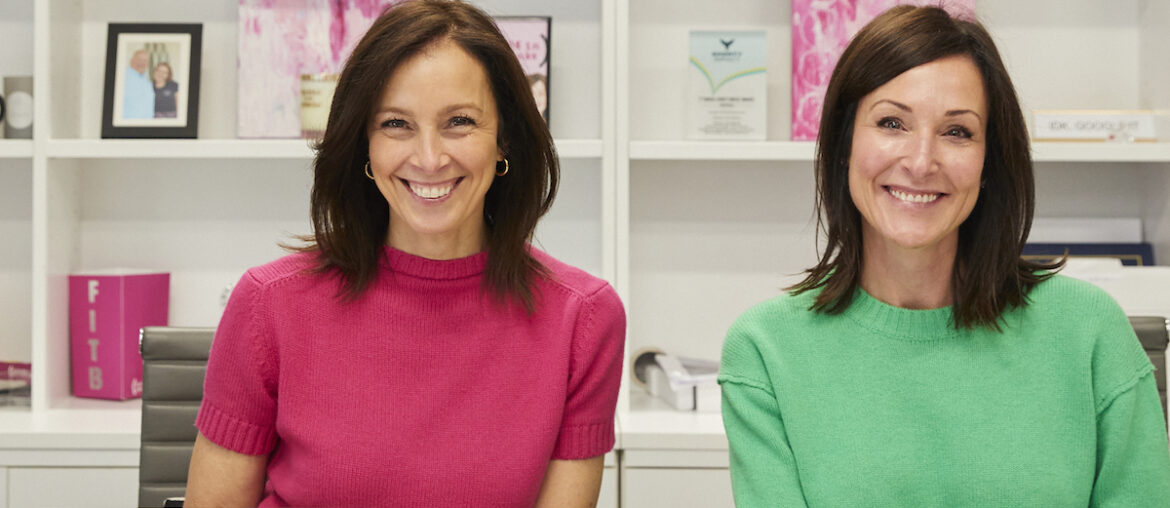
Voices of 100 Women

Life is always full of twists and turns. You may remember back in November of 2023 when I interviewed the incredible Cindy Witteman, the founder of Driving Single Parents. After our conversation, she invited me to be a guest on her streaming TV show, The Little Give. During that episode, Cindy mentioned she had written a few books. I casually shared that writing a book was something I had always dreamed of doing. That simple statement unlocked a series of events that would unfold faster than I ever could have imagined.

Just a week later, Cindy reached out to let me know she had nominated me to be part of a docu-series called Voices of 100 Women. I was so touched. She said she’d be sending over a contract. When I opened it, I quickly realized that in addition to being interviewed, I would also be required to write a book. Yes, it was something I’d always wanted to do—but to say I was caught off guard would be an understatement. That was December 15, 2023.

By the first week of January 2024, I was meeting with the amazing team at She Rises Studios Publishing, and before I knew it, I was writing Change for Good. The docuseries became a blurry backdrop as I poured myself into the pages of my book. I met with the publishers in person a few times, and we filmed a few short segments, but my mind and heart were focused on my writing and the looming deadline. Like I said—twists and turns.

So imagine my surprise when, nearly a year to the day after turning in my manuscript, I received an email announcing that the Voices of 100 Women series is premiering this week! Time has flown, and this journey has been nothing short of extraordinary.

Along the way, I’ve met so many inspiring women, listened to their stories, and shared my own. I’ve been reminded again and again of the importance of saying yes, of being open to change, and of leaning into the unknown. Vulnerability is never easy. Letting the world in, letting people see you—that’s scary. But what I’ve learned is that it’s in those moments of risk and openness that true strength and resilience are born.

This experience has been a beautiful reminder that growth often begins when you step outside your comfort zone. I’m beyond grateful to Cindy, to She Rises Studios, and most of all, to you—for being here, for encouraging me, and for walking this journey with me.

CHARITY MATTERS.


YOUR REFERRAL IS THE GREATEST COMPLIMENT,  IF YOU ARE SO MOVED OR INSPIRED, WE WOULD LOVE YOU TO SHARE AND INSPIRE ANOTHER. If you enjoyed today’s episode, please connect with us:

Copyright © 2025 Charity Matters. This article may not be reproduced without explicit written permission; if you are not reading this in your newsreader, the site you are viewing is illegally infringing our copyright. We would be grateful if you contact us.

Episode 90: Enchanted Makeovers

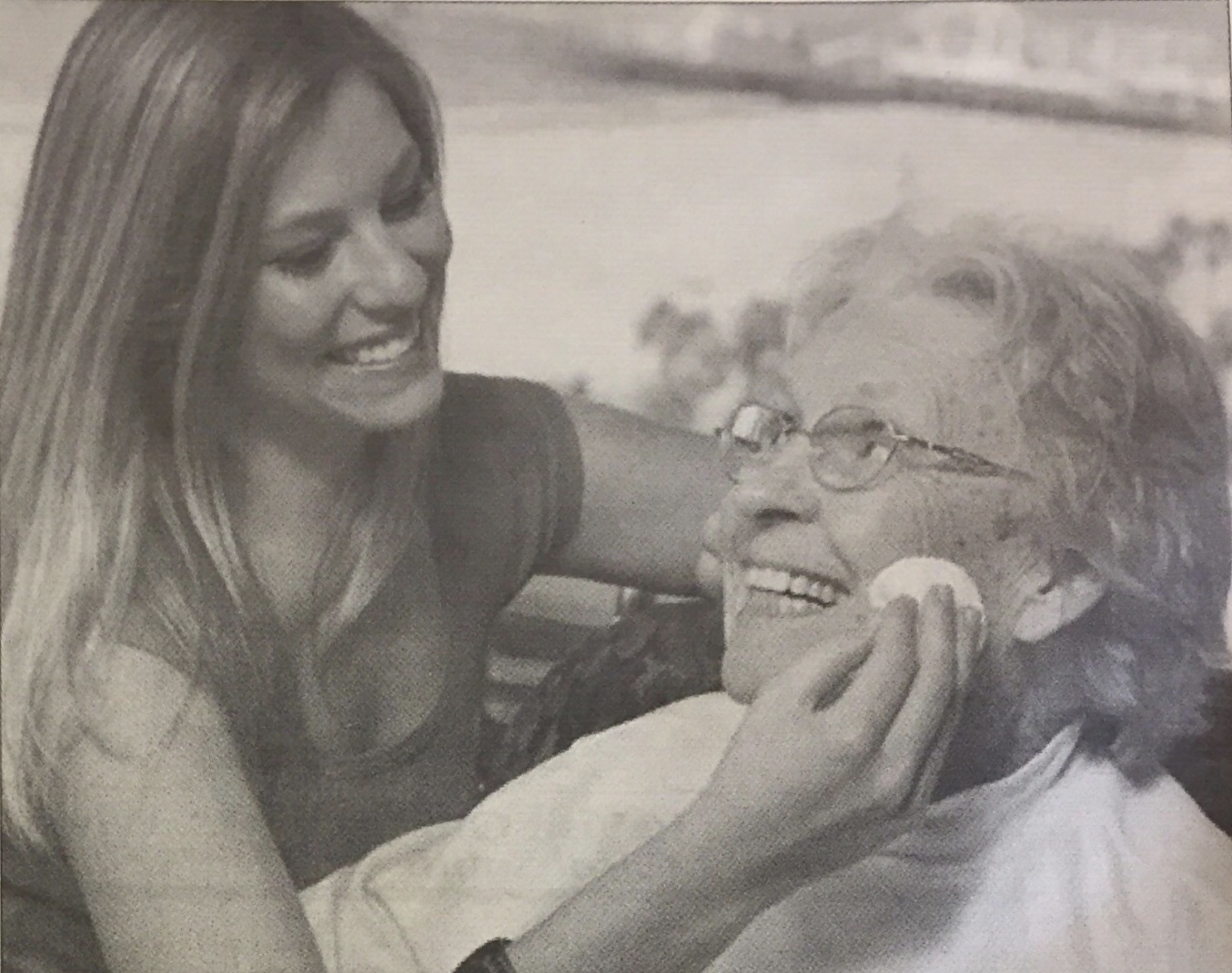
Seventeen years ago, Terry Grahl received a phone call that would change not only her life but the lives of countless women and children across the country. What began as a simple request to paint one wall in a shelter became a profound calling—one that transformed Terry from interior decorator to nonprofit founder, from a woman with a paintbrush to a warrior with a mission. Her nonprofit, Enchanted Makeovers, was born from that moment…an act of faith and heart that would grow into a national movement dedicated to restoring dignity, hope, and beauty to women and children escaping domestic violence and human trafficking.

In this deeply moving 90th episode of Charity Matters, Terry shares the raw and powerful story behind Enchanted Makeovers. With humility, grit, and grace, she opens up about her childhood, the influence of her mother, and the quiet, persistent voice that led her to walk beside women on their path to healing. This is not just a conversation about nonprofit work it’s about listening to your heart, honoring your calling, and discovering how one simple act of love can ripple out to change the world.


Here are a few highlights from our conversation:

Charity Matters: Tell us a little about what Enchanted Makeover does?

Terry Grahl : Enchanted Makeovers is a national nonprofit serving women and children who are escaping human trafficking and domestic violence. We just celebrated our 17th anniversary this past December. From the beginning, our mission has been to bring everything that is sacred, healing, and beautiful into their lives.

We believe deeply in the healing power of handmade items. There’s something truly personal and loving in something made by hand. Our programs reflect that belief. We create sacred spaces by transforming bedrooms in shelters, and we also provide sewing rooms and host hands-on programs like “Capes for Kids,” our “Doll Adoption” project, and the “Pillowcase Program.” Each initiative is designed to bring dignity, hope, and healing into the lives of women and children who have experienced deep trauma.

Charity Matters: In looking back at your childhood is there anything that helped lead you to whre you are today?

Terry Grahl: My mother is my hero, my role model and warrior. She taught us the importance of creativity and the power of imagination. We experienced homelessness as a family, and the community played a role in helping us during that time. I remember one Christmas, my mom gathered us all up and said, “Put on your boots, we’re going to an event for kids.” It was held at a VFW hall, and we had to stand in this perfect line while volunteers watched from the walls. A man came over and said, “Come here, girl. Pick out a toy.” That moment stuck with me, even though I didn’t realize it at the time.

Years later, I saw how that memory shaped the heart of Enchanted Makeovers. Today, we don’t believe in perfect lines or creating separation. Everyone stands side by side. Everyone is equal. We ask, “What is your name?” and it transforms how we serve and how we see one another.

When we lost our home, I didn’t fully understand what was happening, I just thought we were moving again. My mom drove us from city to city in a giant old station wagon until we came across a run-down house with weeds up to her waist and tires in the yard. She walked over to a nearby church and asked, “Who owns this house?” They told her the deacons used to live there. And she said, “I need a home for my children. If I put down a small deposit, could I eventually own it?” And they said yes.

That house became our home. I remember her describing how she’d restore it, telling us all the things she would do. The house had been abandoned, but to her, it was full of potential. She even wrote a poem called “The Promise” about the house. I remember my mom laying her face against the front door and promising to bring the house back to life, just as it would help bring her back to life too. That home became her healing project and in truth, she was restoring herself in the process.

Charity Matters: What was the moment you knew you needed to act and start Enchanted Makeovers?

Terry Grahl: When my children were all in school full-time, I started a decorating business. I told my mom, “This isn’t about decorating, it’s about giving women hope.” My first client’s home was heavy with sadness, though I didn’t yet know her story. I began working in her kitchen and said, “This floor isn’t just a new surface…it’s a new path for your life.” She later told me her father had abused her. When I finished the home, I said, “Let’s name your house.” She said, “High Hopes.” We hung a sign outside with that name.

A year later, a man visited the house and saw the sign. He asked about it, and my client told him how I had helped heal her through design. He said, “I also fundraise for a shelter for women and children, do you think she’d be willing to paint a wall there?”

On December 6, I called him back. He said the shelter was in an old post office where women stayed for a year with their children and nothing had ever been done to the space. I agreed to visit after Christmas.

In January 2007, I walked through the shelter. The last stop was the women’s dorm. I had to use both hands to push open a heavy metal door. Inside were 30 women and children, all sharing one room with no dividers, no privacy. I asked, “Where are the dressers?” The director said they used cardboard boxes. The bunk beds had come from a prison. Everything was worn and institutional. Duct tape held baby cribs together. The bedspreads were faded, identical, and from another era. The energy in the room was so heavy with sadness that I could hardly breathe.

I took some “before” photos, though I wasn’t sure what I could do. Driving home, I was angry. I said, “God, why did You bring this to me? I have four children and a new business. I don’t have time for this.” I tried to ignore the photos all week. But by the end of the week, the last image of a stained mattress with no pillowcase just broke me. The pillow had polka dots, and I’ve loved polka dots since I was a little girl. When I saw it, I heard the words, “Trust me.” I raised my hand and said, “I’ll do it.”

I didn’t know how I’d get the money, the volunteers, or the supplies. But it was a leap of faith. I returned a week later with a design board and stood before about 50 women in the chapel. Then I started to cry..you know the ugly cry. I was so overwhelmed.

Then, one woman looked at me with her purple eyeshadow, blue nail polish, and butterfly necklace, and she said, “It’s going to be okay.” I looked around and saw not women but girls. They were crying with me, saying, “It’s going to be okay.” That was the moment I knew: I wasn’t there to save anyone. I was there to walk beside them.

Charity Matters: What are your biggest challenges?

Terry Grahl:  In the beginning, it was tough. I remember going into a store trying to get paint and thinking, “If I just share these women’s stories, they’ll help.” But it wasn’t that simple. There were a lot of no’s. I cried in the car after those rejections.

One week, I sent out a massive email campaign, sharing from the heart why the women needed new mattresses. I needed 30 of them. Out of the blue, a man called. He was on vacation and had seen my email. He said, “My father raised me to help when you can, so I’m donating all 30 mattresses, along with mattress pads and pillows.”

That was our first big donation. After that, I knew nothing could stop us. The women knew it too. What we didn’t know then was how long this journey would be…or how much it would grow.

Charity Matters: What fuels you to keep doing this work?

Terry Grahl:  The promise I made to those women, right there in that shelter, is what fuels me. I said I would do everything in my power to transform their space, and I had to fulfill that promise.

But looking back now, I see that it was more than that. I was on my own healing journey. The little girl inside of me needed this transformation just as much as the women did. She needed to feel heard, to have a voice, and to believe in something beautiful again.

Charity Matters: Tell us what success you have had and what your impact has been? 

Terry Grahl:  For me, success is measured by the stories the women share. One woman I’ll never forget is Donna. She lived in the shelter during the time of the transformation. Later, I ran into her and asked how she was doing. She told me she had moved into transitional housing.

I asked, “What was the moment that felt most meaningful to you?” And she said, “Making grilled cheese and tomato soup for my children. Just that.” That simple act of care and comfort meant everything to her.

These women have taught me what it means to be a warrior.

Charity Matters: What life lessons have you learned from this experience?

Terry Grahl:  I’ve learned that I am a warrior. In 2008, I attended a Country Living event focused on handmade products. We missed our flight, I had a migraine, and I thought, “Great, now I have to talk to a stranger on this plane.”

A man sat next to me and asked what I did. I told him about Enchanted Makeovers. He said, “I minister to men in prison,” and we started sharing our callings. I told him I had been praying for God to break me into a million pieces and rebuild me.

He gently put his hand on my shoulder and said, “Sister, He’s already done that. It’s time to be a warrior.” I got off that flight in tears, but I knew that I was equipped. I could do this.

I’ve also learned the power of prayer and that I am forever a student on this journey. Every lesson, every relationship, every door opened and there’s a reason behind it. Now, even large corporations are reaching out to partner with us. And I’ve learned to hold my head high and use my voice to speak up for women and children everywhere.

Charity Matters: How has this journey changed you?

Terry Grahl:  At the very beginning, I prayed through tears, arms lifted, saying, “God, give me a voice, please just give me a voice so I can be a voice for others.”

As a child, I was painfully shy. I was bullied constantly from first grade through high school. I was always told to stay quiet….and I did. But God kept His promise. I still can’t believe that a shy girl would grow up to speak on national platforms, even on Kelly Clarkson’s show.

But I know why I’m here. God gave me this voice so I can use it for women, for children, for those who don’t yet believe they’re worthy of being heard.

CHARITY MATTERS.


YOUR REFERRAL IS THE GREATEST COMPLIMENT,  IF YOU ARE SO MOVED OR INSPIRED, WE WOULD LOVE YOU TO SHARE AND INSPIRE ANOTHER. If you enjoyed today’s episode, please connect with us:

Copyright © 2025 Charity Matters. This article may not be reproduced without explicit written permission; if you are not reading this in your newsreader, the site you are viewing is illegally infringing our copyright. We would be grateful if you contact us.
Episode 89: Once Upon a School

As schools are getting ready to close for the summer, today we are talking about what it takes to start a school. This is an inspiring story of heart, hustle, and hope with a guest who turned compassion into action in the most powerful way. What started as a simple realization….a moment of wondering how a mother experiencing homelessness could possibly make it through the day….sparked a movement that’s changing lives and rewriting futures. Kate Kennedy founded a school for children without housing, creating a safe, supportive space where students can rise beyond their circumstances and write their own success stories.

Kate had with no formal title or nonprofit background, took on the impossible by raising millions, building a school from the ground up, and empowering families who are often invisible in our system. Her journey is a testament to the power of listening, trusting yourself, and doing what you know is right, even when the world doubts you. Get ready to be moved, motivated, and reminded that one person truly can make a difference.


Here are a few highlights from our conversation:


Charity Matters: Tell us a little about what The Ansley School does?

Kate Kennedy:  The Ansley School is a tuition-free private school in Atlanta for children experiencing homelessness. Too often, these kids fall through the cracks of the system, becoming part of staggering statistics. Without a solid education, the path to a successful life is nearly impossible. Our goal is to give these children the opportunity to write their own story of success, one that rises beyond their circumstances.

Charity Matters: When you were growing up did you have a philanthropic family or role models?

Kate Kennedy:  There’s an exercise I’ve done a few times where you map out your life timeline and mark the moments that stand out. Every time, a clear thread of service and community building runs through it. No matter what I’m doing, that piece is always there, and it definitely comes from my parents. When my mother passed a few years ago, people who didn’t know her or me read her obituary and said, “Oh, that’s you. Now I get it.” She was always active in the community, and I guess that spirit of service is just part of my DNA.

Charity Matters: What was the moment you knew you needed to act and start The Ansley School?

Kate Kennedy:  I remember it vividly. I had spent 20 years at home raising my four kids. Before that, I was a television writer and later worked in a church with teenagers, where I became deeply involved in community service around Atlanta, especially with organizations serving the unhoused. Even while raising my children, I continued volunteering and serving on boards.

One of my sons is neurodivergent and has significant learning challenges. Despite having access to resources, networks, and specialized (and costly) programs, I still had to fight for him every single day to make sure he didn’t fall through the cracks. It was exhausting.

One day, driving through downtown Atlanta, I saw a woman sitting on the curb with her head in her hands, surrounded by four young children…one without shoes, another without a shirt. I passed that road all the time, but something about her stopped me. I thought, How does she do it? I was overwhelmed with support, and still barely managing. Then I thought about my son….what if one of her kids had the same challenges? If I could barely keep mine afloat, how could she possibly manage? That moment gripped me. I couldn’t look away. I couldn’t not act.

The school is called the Boyce L. Ansley School, named after Boyce Ansley who was a true force of nature. She was a mentor to me, a remarkable fundraiser, civic leader, and champion for bringing young professionals into philanthropy. One day, I shared my idea with her and said, “Someone needs to build a school for these kids.” She replied, “Yes, you do.” I laughed and said, “No, not me but somebody.” And she said, “If you open the school, I’ll raise every dollar you need.” Because it had to be free there could be no tuition. When Boyce passed away unexpectedly we knew we had to name then school after her because she was such a huge catalyst.

Charity Matters: What are your biggest challenges?

Kate Kennedy: I started talking to parents and quickly realized the challenges. Without an address, they don’t even know what school to go to. And without housing, they often lack access to basic documents like birth certificates and immunization records and everything needed to enroll. Even for those who do get in, their children often face poor sleep, inadequate nutrition, and lack of proper clothing. The barriers were and are everywhere.

It’s incredibly difficult and so many nonprofits fail. I had identified a real need in our community through public school educators, families, and homeless-serving agencies. My final step was to approach the funding community and none of them wanted to touch it. I didn’t have a title or nonprofit experience. I remember one woman asking, “What’s your title?” Flustered, I said, “I’m just a concerned citizen.” She practically patted me on the head and said, “Oh, you’re in way over your head.”

There’s a difference in a do gooder and a change maker. I  think it’s really important a do gooder does good until, until it gets tough, and then they’re like, oh, that’s I’m out. And the change maker, the founder, it keeps on going even when it just looks impossible.

Charity Matters: What fuels you to keep doing this work?

Kate Kennedy: Once the school opened, the families and the children kept me going, because they’re just precious. And you just look at them and you just think, I can’t not do this for you. I just can’t. You know you deserve this. You are just the sweetest thing, and you deserve this. You have worth, you have dignity, and you know, and so it was the relationships that really changed.

Charity Matters: When do you know you have made a difference?

Kate Kennedy: There were many moments, but one story that really sticks with me happened at the end of our first quarter. We had given our students uniforms: white polo shirts with the school logo and navy skorts or pants. They looked sweet and polished, and we thought white shirts made sense because they could be bleached clean.

At our first parent meeting, we asked for feedback about what was working, what wasn’t. At first, no one said anything. Then one mom raised her hand and said, “The white shirts are hard.” It hadn’t occurred to us that families living in shelters or on the street often don’t have regular access to laundry. The shirts were hard to keep clean.

I asked what would work better, and they said navy blue. So I ordered navy monogrammed shirts and handed them out a few weeks later. The reaction from the mothers was overwhelming. One said, “No one ever listens to us. We have no voice.” And it’s true, especially when children are involved, families experiencing homelessness often stay invisible out of fear of losing their kids. That small change by simply listening, shifted the entire mood of the school.

Charity Matters: If you could dream any dream for your organization, what would that be?

Kate Kennedy: It was really hard, but I eventually realized that my dream wasn’t to run the day-to-day operations of a school, it was to start a movement. I want to see schools like the Ansley School across the country, because it’s possible.

Through a providential twist of fate, I was connected with a woman in Pittsburgh who wanted to start a similar school. It’s a long, wild story, but we connected, and I’ve been working with her and her team to help make it happen. As I shared the journey and supported them, I realized this story needed to be told. I started writing and writing and before long, I realized: this could actually be a book people might want to read.

Once Upon a School is my book. The first half of the book is about building the school and about my real dream of supporting children without housing. The children that are going to fall through the cracks in our system. The second half of the book is about how it’s really complicated to be a founder.

Charity Matters: What life lessons have you learned from this experience?

Kate Kennedy:  The biggest lesson that kept coming up was that I needed to trust myself. I didn’t have all the answers, but I knew what I knew and I was aware of what I didn’t. I asked questions, listened, and the school was thriving. We had a $2 million budget, and I raised it almost entirely on my own each year.

Still, people would say, “You haven’t been in the business world,” or “You stayed home with your kids, you don’t know”—all the bless your heart stuff (I’m Southern). which, by the way, is not a compliment in the south. What I was doing was working. I mean, the evidence was all around me. So I look back now and I think I should have trusted myself more.

Charity Matters: How has this journey changed you?

Kate Kennedy: I do, I’ve changed a lot. I have much better boundaries now and trust myself a lot more. I think those are the biggest shifts. I’m also much more aware of the challenges children without housing face when it comes to education. I always knew it was an issue, but now I feel like I can truly be a voice for them because I’ve walked alongside so many families living through it. It’s one thing to understand the problem from a distance but it’s completely different when you’ve lived it up close.

CHARITY MATTERS.


YOUR REFERRAL IS THE GREATEST COMPLIMENT,  IF YOU ARE SO MOVED OR INSPIRED, WE WOULD LOVE YOU TO SHARE AND INSPIRE ANOTHER. If you enjoyed today’s episode, please connect with us:

Copyright © 2025 Charity Matters. This article may not be reproduced without explicit written permission; if you are not reading this in your newsreader, the site you are viewing is illegally infringing our copyright. We would be grateful if you contact us.
Episode 88: A Brighter Day

I am so excited to introduce you today to an amazing man, Elliot Kallen. He is a passionate entrepreneur, nonprofit founder, and father who has transformed personal tragedy into a mission of hope. As the CEO of multiple companies and the founder of A Brighter Day, Elliot brings both business acumen and deep empathy to his work. After losing his 19-year-old son, Jake, to suicide, Elliot committed himself to supporting teens struggling with depression and anxietywith his nonprofit,  A Brighter Day.

Today his organization touches thousands of families each month. Grounded in the life lessons passed down from his Holocaust-survivor mother, Elliot lives with a deep sense of purpose—driven not by profit, but by impact. His story is one of resilience, love, and an unwavering belief in the power of helping others.


Here are a few highlights from our conversation:

Charity Matters: Tell us a little about what A Brighter Day does?

Elliot Kallen: What we do is we create resources for teens and their families on stress and depression with the goal of stopping teen suicide.

Charity Matters: Tell us a little about Growing up and your family?

Elliot Kallen: I’m the CEO of three companies right now. I grew up in a very middle-class home in New Jersey. My parents were community-minded and active members of our local synagogue. We gave money, even though my dad never made more than forty thousand dollars a year, and my mom was your typical 1960s–70s stay-at-home mom. Still, we gave back.

My mom often spoke about her father, who was a librarian in Vienna and probably made five dollars a week during the Great Depression. Every week, he would empty the change from his pockets, and that’s what he would donate. We were always taught to give back. Most of the time, that meant giving to family or helping cousins around the world.

Charity Matters: What was the moment you knew you needed to act and start A Brighter Day?

Elliot Kallen:  It’s a heartbreaking story, and sadly, it doesn’t have a happy ending. Eleven years ago, my 19-year-old son, Jake—a sophomore at the University of Montana—took his life in the early hours of a Friday morning. No drugs, no alcohol. He walked onto the highway and stepped in front of a truck.

We were frantically searching for him all day because his phone was off—something no teenager ever does. At 6:30 that evening, FedEx delivered a six-page suicide note. That’s how we found out he was gone. His note was filled with the typical ramblings of a teen in crisis, but one paragraph stood out. He wrote, “Mom and Dad, I’ve been thinking about this for a long time. I never would have told you how I felt. I never would have asked for your help. And I never would have taken your help.”

It was as if he was trying to let us off the hook—but how could we ever be?

His mother and I flew to Spokane the next morning, then drove to Missoula to claim his body, which had been left unclaimed at a funeral home. On the flight home, his body in the cargo hold beneath us, I kept rereading that paragraph. I turned to his mother and said, “We have to do something to prevent this devastation from happening to other families.” She replied, “I can’t do it. You’re on your own.” And so, I began the journey to create a nonprofit.

At first, the idea was to use music—bring in adult cover bands and host events for teens with mental health resources. But when we met with local musicians, they gave me critical advice: “This has to be for teens—by teens. No adult bands, no adults in the room. Teens won’t open up if they feel watched. And the resources have to be teen-friendly. Most mental health tools are built for adults, and they miss the mark.”

We decided to focus on depression, anxiety, and suicide prevention—issues teens face every day. A recent survey showed that nearly 50% of teens have felt anxious or depressed in the past year, and many have had suicidal thoughts.

I often describe it like this: imagine a six-sided box—four walls, a top, and a bottom. For teens, it’s rarely all blue sky. Life can feel like constant turmoil. And when all six sides of the box feel black—when it’s all pain and no light—some teens begin to believe, “Yesterday was awful. Tomorrow will be worse. No one will miss me anyway.”

That moment—that hopelessness—is where suicide lives. That’s what we’re trying to stop.

Charity Matters: What are your biggest challenges?

Elliot Kallen: I don’t want to downplay how cathartic it’s been to start a nonprofit and to share Jake’s story—especially in that first year. Every time I told it, I could barely hold back tears. What surprised me was how many people shared their own stories in return—about their uncle, aunt, parent, sibling. We cried together. I kept tissues nearby and handed them out often. If you cried in my office, chances are I was crying too.

Sometimes, I still go to the cemetery. Nothing changes—the view, the conversation—but it grounds me. I stand on Jake’s grave to read the plaque, and I talk to him. I talk to God. I don’t want to imagine Jake’s face in the clouds like a movie ending. But I do hope he’s listening.

I’ve built and sold businesses, so I understand the lifecycle—products, services, cash flow, lawsuits, people problems. A nonprofit is different. You still have people issues—because people are people—but the bigger challenge is constantly telling the story in a way that touches hearts. That’s not hard for me. The hard part is finding the right audience to tell it to. Filling rooms, building an online following, gaining traction—that’s the uphill battle.

And here’s the truth: every nonprofit is regional—until it either goes national or goes out of business. I’ve served on national boards like the Boys and Girls Clubs and the American Cancer Society. They were national before I joined. My nonprofit, A Brighter Day, has resources used in all 50 states, but when it comes to fundraising, we’re still very local. Regional nonprofits live hand-to-mouth. That means I need to lead, write checks, and carry the mission forward every day.

But I don’t want to die and take the nonprofit with me. I’m working hard to build sustainability so I can eventually step back from being the de facto leader and just serve as a board member. We talk constantly about that next step—about building longevity and putting a structure in place so A Brighter Day has legs without me.

I believe there should always be a Kallen on the board—because it began with us—but they don’t have to lead. They just need to show up once a year, wherever they live, to remind others why we exist. This began with Jake, but it doesn’t have to end with me. That’s the goal.

Charity Matters: What fuels you to keep doing this work?

Elliot Kallen: I’ve been very blessed in my life. Even after losing my son to suicide, I still consider myself incredibly fortunate. I grew up in a small, middle-class home, but I was always deeply loved. My father was part of the Greatest Generation and my mother survived Auschwitz. They had both seen unthinkable tragedy and loss.

Their voices still guide me—what I call the “schizophrenic voices” on my shoulders, not devil and angel, but Mom and Dad. My father’s message was always, “You can never make up for hard work,” and he instilled that in his three children—we all became workaholics. My mother’s voice says, “You can do better today than you did yesterday, and better tomorrow than today.”

That mindset stays with me. I still come to work each day with energy and excitement, whether it’s in my for-profit ventures or in the nonprofit space. In business, I’m always asking how we can grow, improve, and learn from our missteps—because mistakes are just painful learning moments. In the nonprofit world, the question is: how do we serve more people, more effectively, without burning through resources?

Every organization, for-profit or nonprofit, has a financial burn rate. If you ignore that, one day you wake up and can’t make payroll. That’s the reality. Whether or not you call it capitalism, we’re all accountable to the numbers—even in service work.

Charity Matters: Tell us what success you have had and what your impact has been? 

Elliot Kallen:  Right now, through A Brighter Day and all our online resources at abrighterday.info, we’re reaching thousands. One of our biggest tools is a teen-focused texting crisis line that gets 50 to 150 new teens every month. They receive a response within five minutes—because teens love to text—and almost every single one asks the same heartbreaking question: “Am I the only one feeling this way?” They’re incredibly isolated.

We also know that if your teen came to you and said, “Mom, I’m cutting” or “I’m thinking about hurting myself,” you’d do everything you could to get them help. But in most places it can take 6 to 10 weeks to get a live appointment with a licensed therapist. We can connect teens with a licensed therapist via Zoom in all 50 states within seven days. And while virtual counseling isn’t quite the same as being in the room, it’s still meaningful support—and we cover the cost for 90 days.

Right now, we’re reaching between 3,000 and 6,000 families every single month.

Charity Matters: If you could dream any dream for your organization, what would that be?

Elliot Kallen: If there’s one word that defines our goal, it’s impact. We want to make a meaningful difference in people’s lives, and that only happens if our message truly reaches them.

People ask me, “Where do you see yourself in 20 years?” My honest answer: I hope I’m still alive—but not still running the charity. That would mean I failed to build something sustainable. What I really hope is that, at my funeral, someone stands up and says, “He made a major impact on everyone he touched.” That’s the legacy I’m striving for.

Charity Matters: What life lessons have you learned from this experience?

Elliot Kallen: The biggest lesson? Life is incredibly short. My mother used to say, “Life goes by in the blink of an eye,” and I never understood it until I got older—but she was right.

You can’t take life for granted. You have to show up every day with the right attitude, because attitude really iseverything. If you keep putting in the effort with heart and intention, good things follow.

What truly matters is the people around you, the lives you touch, the impact you make. It’s not just about who’s impacted you—it’s about how many lives you can reach and make better. If you focus on that, you’re doing something truly great.

CHARITY MATTERS.


YOUR REFERRAL IS THE GREATEST COMPLIMENT,  IF YOU ARE SO MOVED OR INSPIRED, WE WOULD LOVE YOU TO SHARE AND INSPIRE ANOTHER. If you enjoyed today’s episode, please connect with us:

Copyright © 2025 Charity Matters. This article may not be reproduced without explicit written permission; if you are not reading this in your newsreader, the site you are viewing is illegally infringing our copyright. We would be grateful if you contact us.
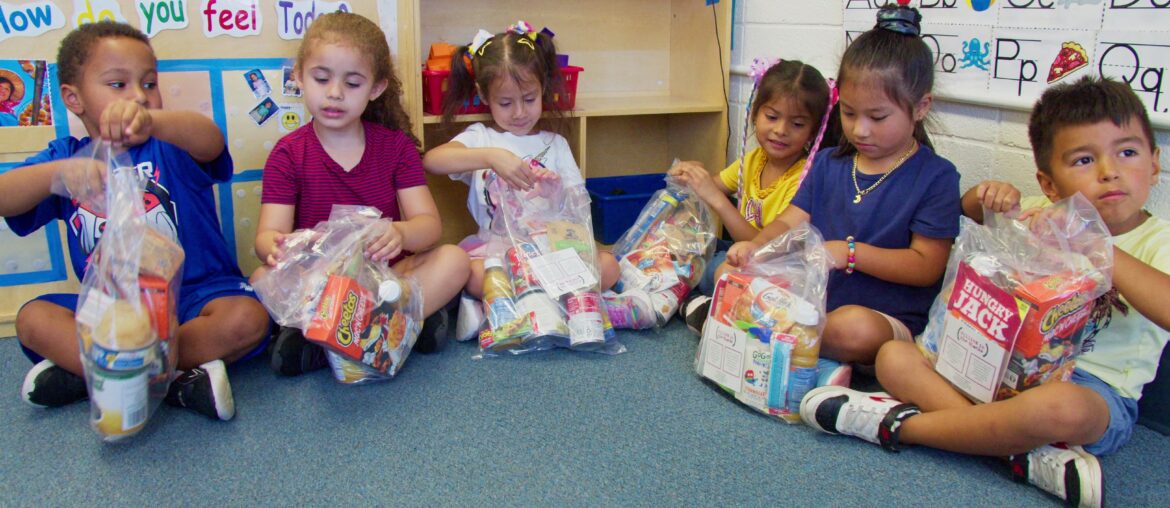
Episode 86: William’s Be Yourself Challenge

Easter has passed and we are officially into springtime, the season of renewal. There is no greater renewal story than today’s guest Susan Shaw. Susie and her husband lost their nine year old son William in an accident. In the years that followed they have taken that pain and turned into purpose for other grieving families.

Join us today for a powerful conversation about love, loss and renewal. Susie’s journey is one of inspiration and hope that there is always love.


Here are a few highlights from our conversation:


Charity Matters: Tell us a little about what WBYC does?

Susie Shaw: At WBYC, we empower individuals to embrace their authentic selves with courage and joy. We are dedicated to fostering meaningful connections within our community and supporting grieving families by providing the tools they need to honor their loved ones and navigate their journeys of healing. Together, we create spaces where love, remembrance, and personal growth flourish.

Charity Matters: What was the moment you knew you needed to act and start WBYC?

Susie Shaw: We started the organization shortly after my son William died. He died in 2019, when we were on a family ski trip out in Montana.  William was nine. There was an accident and, as you can imagine, it was one of the most painful and excruciating events that I’ve ever experienced. The beauty that came from my community after he died, was incredible. I live in a very small town, where everybody knows everybody.

 When William died, he was in third grade and the whole town suffered with us.  As time went on, we started  to notice and hear that some of William’s friends and parents were still struggling in their grief.  A year after William had died, my husband and my surviving son, Kai, were getting support. We were going to the grief groups because there are services for people like us there. There aren’t any services for best friends.

If you’re the friend of a little boy who dies, there’s no support group for that right? I was so close with all of these families that I just hated what I was seeing for them.  So a group of moms got together with my permission, and they decided to put on our very first event playing a game William loved. When we saw the excitement and the beauty and the love that all these kids felt for each other while honoring William and they had that agency over their feelings. Williams Be Yourself Challenge spawned out of that inaugural event. We went on to host an educational lecture and brought in a therapist to talk about grieving for the community. 

 I also realized how privileged my family has been in our grief journey and the support that we have received through therapy and our beautiful community. My husband got to take six months off of work. That is not the norm.  We had this unbelievable privilege of him taking those six months and we got to travel as a new family of three to figure out. We were able to create some new memories. All this stuff that happened in the early months after William died was percolating in me. A while after, I thought,” I wish other families could have this. I wish other families could go away, because sometimes home is hard. The bedroom is there, the toys are there.” There’s all these reminders. 

We’re currently raising money to be able to buy a single family home for families who have suffered the loss of either a child or a parent. We want to be able to give 52 families per year a free week-long vacation. I realized that getting away was so incredibly important for our family. Now all I want to do is allow other families to have just a week. Isn’t long enough, but it’s something.

Charity Matters: What are your biggest challenges?

Susie Shaw:  I am an entrepreneur. And that was something I had never done before.  This isn’t me. My first job out of college, I was in the nonprofit space.  I worked for the United Cerebral Palsy of Chicago. I was their events planner, and it was an amazing job. Then I worked at the Museum of Modern Art in New York in their development office and at the LA County Museum of Art. So, I had this past of service and understanding of the world of philanthropy and giving.

Some of my challenges have been being the starter. Before, when I was in nonprofit, I was the worker.  Now I’m telling people what to do. I’m walking that line of not trying not to control too much, but needing help finding the right help. Now we need expertise in real estate and in planned giving.

Charity Matters: What fuels you to keep doing this work?

Susie Shaw: I just think about the families that I want to serve because I know what it feels like to need that support, you know. I’ve walked their path. And I certainly don’t want to insinuate that I know what every grieving family feels like, because every grieving family has their own unique story. However, I do think that some of the things we want to do for these families are universal. You want to be cared for. You want to be seen in your grief. You want to be witnessed in your grief, and know that somebody is looking out for you who understands.

And so that’s what I think about when, when I get off a call with a potential donor who just doesn’t get it or isn’t interested in the project.. It happens. You’re not going to relate to everybody.  Then I go back to the families because I’ve been there and I know how painful it is.

 I just want to be able to give other families that same little bit of hope to know that they’re going to be able to survive. I was so afraid that my family would disintegrate after William died. Instead, we had a ton of support, a ton of guidance and we’re doing wonderfully.  We brought a new child into our life. We have a four year old, Cody and he is just the best thing that we could have done for our family. 

Charity Matters: Tell us what success you have had and what your impact has been? 

Susie Shaw: it’s hard to quantify, because what we’re trying to do is such an emotional experience. We don’t have a program where we’re hiring therapists to execute with immeasurable results. However, I do think about success in getting feedback from a family who spends a week at our house and telling me that it was transformative, that it was healing and that it was important. I also think about those families than telling their friends about it, and maybe those friends then donate to us. That, to me, is a measure of success. Or those guests that come to our house and tell their grief support groups about their experience and create a referral system. That’s a measure of success. The fact that people are recognizing that this is a needed service within the grief space is success as well.  

Charity Matters: If you could dream any dream for your organization, what would that be?

Susie Shaw: if we had a network of grief retreat homes for families.  That would be beyond my wildest dream. Then we could serve double and triple and quadruple the amount of families. With one house, we can serve 52 families a year, if we were to have people there all year. 

Judy’s house is a grief support group out of Denver and they partner with New York Life Foundation.  Both are responsible for sort of quantifying data around bereaved families. Their newest report has just come out. They have found that one in 11 children will suffer the loss of a sibling or a parent before they turn 18. Wow. That is so many families!  52 families to me, sounds like an amazing feat, but that’s barely scratching the surface of how many families need grief support.  If we can have more, let’s have more!

Charity Matters: What life lessons have you learned from this experience?

Susie Shaw:  I’m grateful for every moment.  There’s no rush in any of this. Let’s just be really intentional about what we decide to do today or this week or this month, and that’s really helped me slow down in everything.  I just feel like I’m a better human being.

Charity Matters: How has this journey changed you?

Susie Shaw: When William died, my entire life changed 100%.  I am a mother and I have two living children as well.  I identify as a bereaved mother. Sometimes first, because it has changed me so much more than even becoming a mother. Losing a child has changed me more than giving birth to three children.

I think I’m a better person. I really do. And I talk a lot with other bereaved moms. There’s a similar sentiment among many of us. I mean, we were just cracked open.  Everything just came pouring out….The good, the bad, all of it and I guess I just feel like I’ve grown so much in my empathy and for all types of people. Especially with my little four year old, I am so much more patient because I view motherhood in a new way…… that we all just need to slow down.

CHARITY MATTERS.


YOUR REFERRAL IS THE GREATEST COMPLIMENT,  IF YOU ARE SO MOVED OR INSPIRED, WE WOULD LOVE YOU TO SHARE AND INSPIRE ANOTHER. If you enjoyed today’s episode, please connect with us:

Copyright © 2025 Charity Matters. This article may not be reproduced without explicit written permission; if you are not reading this in your newsreader, the site you are viewing is illegally infringing our copyright. We would be grateful if you contact us.
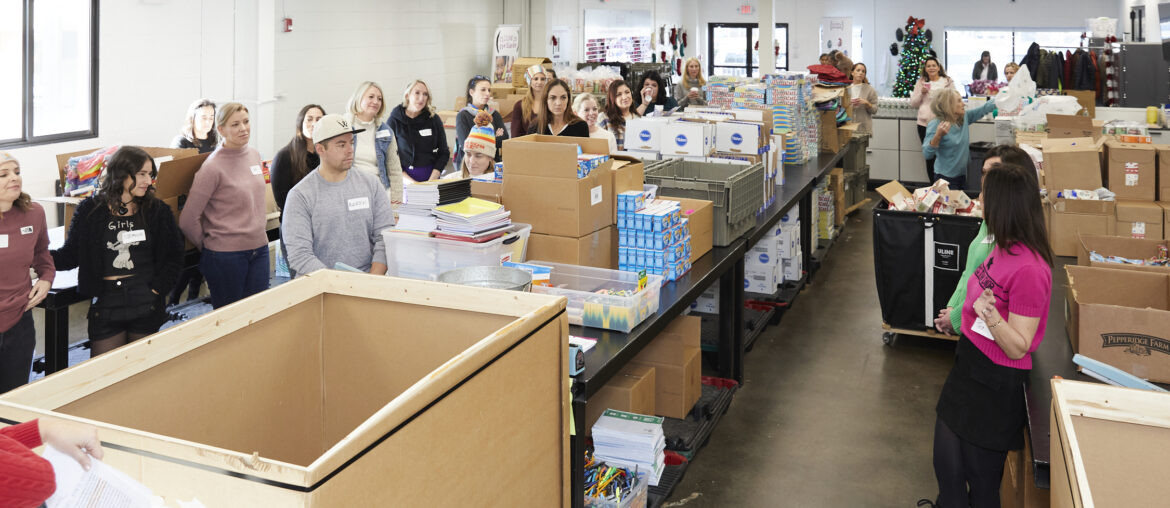
A year of FORCE


I spend a lot of time talking about time. How we use our time, the choices we make with our lives, and the precious resource that time truly is. So often, we don’t realize how quickly time passes until we take a moment to look back in the rearview mirror. We race through each day, checking things off the never-ending to-do list, yet we seldom pause to reflect on how we are spending our most valuable asset. Instead, time slips through our fingers like sand, and before we know it, we find ourselves asking, “Where did the time go?”

Right now, I find myself asking that exact question: “Where did the time go?” It feels like just yesterday when Cindy Witteman, the dynamic founder of FORCE Magazine, first approached me with an incredible opportunity—an opportunity that felt like a dream come true. She shared her vision for FORCE, a magazine dedicated to celebrating leadership, resilience, and the power of positive impact. As she spoke, I felt a deep sense of déjà vu because years earlier, I had written down a dream: one day, I would have a podcast, a best-selling book, and a monthly magazine column about making a difference. And here she was, offering me the chance to bring one of those dreams to life. It was a surreal, pinch-me moment.


So, one year ago, I began writing for FORCE while simultaneously working on my book, Change for Good. Cindy was not just a catalyst in the magazine’s creation; she was also a driving force—pun absolutely intended—behind my book. In November 2023, I had the privilege of being interviewed by Cindy on her television show, The Little Give. From the moment we connected, I knew she was someone truly extraordinary. As a nonprofit founder herself, Cindy understands the profound impact of service and philanthropy. During that interview, she suggested that I write a book and even introduced me to her publisher. One month later, in December 2023, I signed my book contract. By January 2024, I was off to the races, pouring my heart into Change for Good.

But I wasn’t the only one racing ahead. Cindy, with her unstoppable energy and passion, launched FORCE Magazine in April 2024. Her mission? To spotlight leaders, innovators, and everyday heroes who are making a meaningful difference in their communities and beyond. FORCE is more than just a publication; it’s a movement—one that bridges business, personal growth, and philanthropy, all while amplifying the voices of those committed to positive change.

For the past year, I’ve had the privilege of being a monthly contributor to this incredible platform. And now, as we celebrate FORCE Magazine’s one-year anniversary, I can’t help but marvel at how fast time has flown. In just twelve months, we have shared countless stories of service, resilience, and kindness. It all began last April with a simple yet profound question: What does it mean to be a Force for Good? From there, we explored topics that are near and dear to my heart—Voluntourism, Back to School Giving, How to Get Involved, Gratitude, Raising Philanthropic Children, Change for Good, Goals for a New Year, Putting What Matters First, and the Healing Power of Helping—just to name a few.

With so much noise in the world, it is an absolute privilege to contribute to a publication that highlights the remarkable humans working tirelessly to make our world better. In a society that often glorifies busyness over purpose, FORCEreminds us that our time is not just something to be spent, but something to be invested—in people, in causes, and in the things that truly matter.

This past year has reaffirmed for me that every day, we have a choice in how we use our time. Will we let it slip by unnoticed, or will we harness it to create something meaningful? Cindy and all of the incredible contributors at FORCEhave made a conscious decision to dedicate their time to you, the readers—to inspire, uplift, and empower.

As we celebrate this milestone, I want to extend my deepest gratitude to Cindy for believing in the power of storytelling and service. And to you, dear reader—thank you for being part of this journey. Whether you’ve read one article or all of them, your time spent engaging with these stories is not just time well spent—it’s time well invested.

So, as we look ahead to another year of FORCE, let’s challenge ourselves to use our time with intention. Let’s be forces for good. Because in the end, when we ask, “Where did the time go?”—may the answer be: “It went to something that truly mattered.”

CHARITY MATTERS.


YOUR REFERRAL IS THE GREATEST COMPLIMENT,  IF YOU ARE SO MOVED OR INSPIRED, WE WOULD LOVE YOU TO SHARE AND INSPIRE ANOTHER. If you enjoyed today’s episode, please connect with us:

Copyright © 2025 Charity Matters. This article may not be reproduced without explicit written permission; if you are not reading this in your newsreader, the site you are viewing is illegally infringing our copyright. We would be grateful if you contact us.
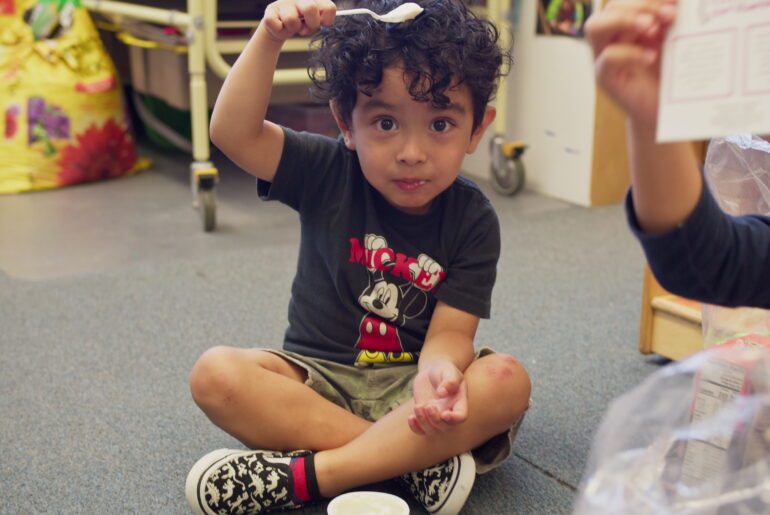
A New Kind of March Madness

Life can move so quickly somedays that we are not even sure what is happening around us. That is why sitting in silence every Sunday and writing to you gives me a moment to connect, to slow down, to reflect and to think about what matters. There are so many days when I feel in alignment with what I am here to do on this earth and for that I am grateful. Then there are the days when life feels like a tornado of activity that is hard to comprehend. Somehow I think I live in a weird place between trying to drive everything and letting go and accepting what is unfolding. It is a new level of March Madness.

All three of our sons were born in March so every year we had a March Madness family birthday dinner to celebrate all of our March birthdays. So having a crazy March is not unfamiliar. As the boys have grown and flown our March Madness celebrations have dwindled and a new type of madness has moved in to replace the void left by the chaos of amazing boys. Work and serving and of course a little fun have filled the space. It has been a wild, wonderful and busy month.

It started with an event at my publishers, She Rise Studios, that brought together so many female authors for a day of collaboration. It was amazing what can happen when we all come together to support one another and the joy was palpable. As if that wasn’t enough it was fun to have my publisher submit an article about my work in Medium Magazine, you can take a look here. 

During the day, we are in the throes of teaching service to thousands of middle school students this month at TACSC, which is what I love most about what I do. There is so much energy that goes into making all of these happen with a tiny staff of three and all of our amazing volunteers. Planting that seed of service is something that really makes me happy and these students give me hope. Last week it was fun to speak on a panel about women in leadership for one of the great schools we work with.

Running a nonprofit by day is amazing and exhausting. Then finding that second wind to do it again at night has challenged me this month. I have been so lucky to keep getting invited to speak at different nonprofits and National Charity League Chapters about the power of service. This month the nighttime schedule has been fantastic. It is so great to meet new people, share the stories that I share here and sign books. Who knew being an author was an endurance sport?

In the midst of it all, I found some time to get back to the Elks lodge and support our local Pasadena/Altadena fire victims. While the media has left, the community has not. We are in this for the long haul, whatever that is. It is in those moments that I find joy, connection, kindness and the best of humanity. These are the things that matter, that refill the gas tank and get me ready to do it again. Life is precious and life is short. We need to use our one beautiful life to make someone else’s better. It is the only way to survive March Madness…

CHARITY MATTERS.


YOUR REFERRAL IS THE GREATEST COMPLIMENT,  IF YOU ARE SO MOVED OR INSPIRED, WE WOULD LOVE YOU TO SHARE AND INSPIRE ANOTHER. If you enjoyed today’s episode, please connect with us:

Copyright © 2025 Charity Matters. This article may not be reproduced without explicit written permission; if you are not reading this in your newsreader, the site you are viewing is illegally infringing our copyright. We would be grateful if you contact us.

Episode 60: Dana Pepper Bouton Endowment Fund

Last year I interviewed my friend, Dana Bouton, who has been living with terminal cancer. I told her that I would repost our conversation each year in celebration of her birthday which is March. I missed Dana’s birthday by a few days but she is celebrating every precious moment and year. I am thrilled to celebrate her in this small way. So if you are looking for some inspiration this conversation with Dana will do it ……

Years ago when I lost my mom, someone said to me, “The greatest gift you can give the world is a life well lived.” Today’s guest is a fantastic example of just that.  In full disclosure, I have known our guest Dana Bouton for probably twenty years. We have raised our children in the same community. Dana sent me an email explaining that her cancer had returned and was now terminal. She was determined to use the time she had left to leave a lifetime legacy to the City of Hope. The Dana Pepper Bouton Endowment Fund will help families financially devastated by cancer.
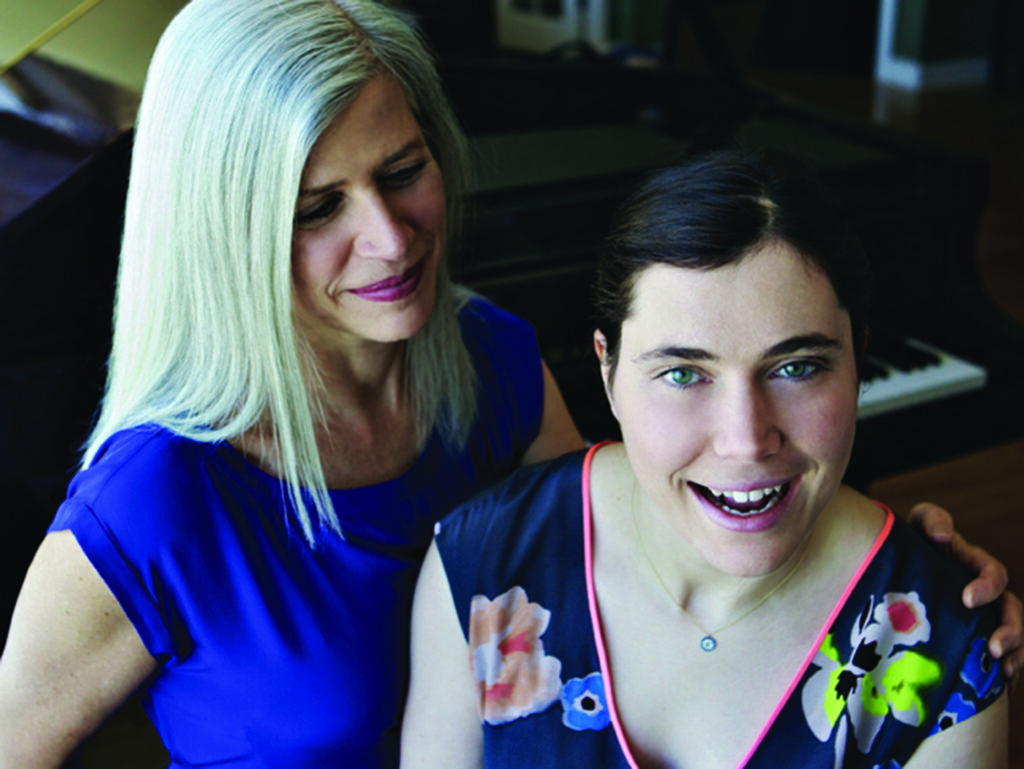
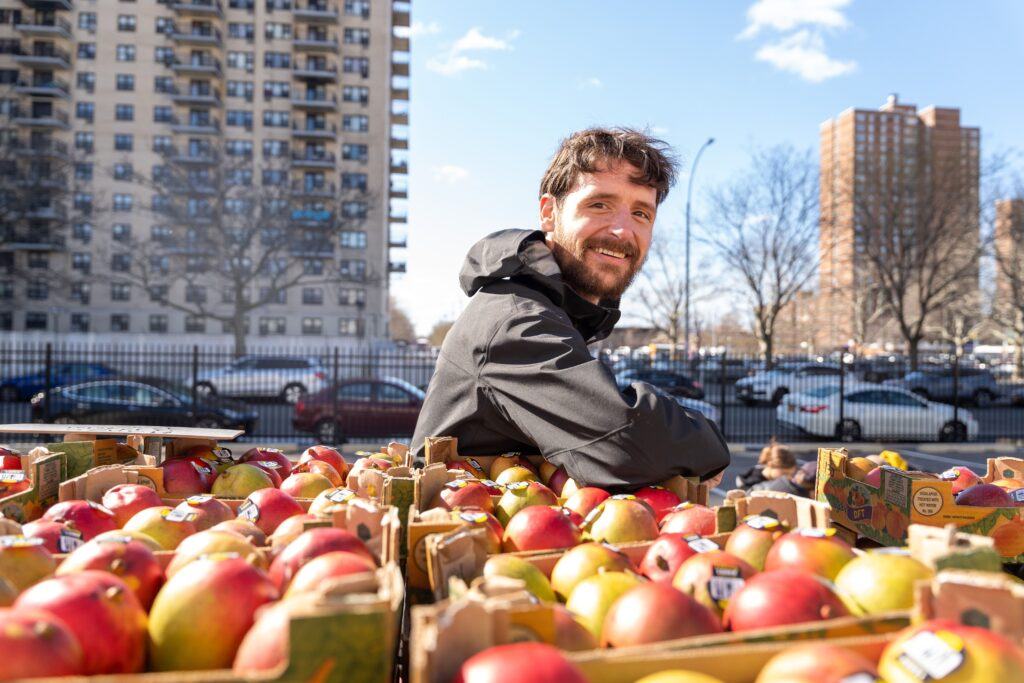
Join Dana and June Penrod from City of Hope to learn how one person can make a difference for so many living with cancer. Dana’s humor and insight will inspire you and make you think about how you live. She is a true example of the quote above and what really matters. During our conversation I made Dana a promise that I would re-publish her podcast on her birthday each year as a reminder and a legacy of her work, so Happy Birthday Dana! Cheers to another amazing lap around the sun. Thank you for reminding us all how to live.


Here are a few highlights from our conversation:


Charity Matters: Tell us a little about what The Dana Pepper Bouton Endowment Fund will do?

Dana Pepper Bouton: The idea of the fund was set up to help families who are navigating the difficult diagnosis of cancer to have resources for support.  They want world class care in hospitals and need to get transportation, gas,  child care, groceries, and a multitude of other things. So this fund is set up to kick out money in the form of gift cards, to help these families get to City of Hope. More than having the best possible care but receiving some supportive care on the side of having to deal with their loved one being a patient. 

June Penrod: What we do is provide state of the art treatment.  So we are really the champion when it comes to precision medicine of being able to fight cancer.  Not only at the cusp of when it’s worst in your body, but also in the beginning phases of helping our population screening for cancer. So we really did the entire gamut from A to Z on cancer treatment for all patients in Los Angeles and Orange County.

We are really proud of the impact that we are having on cancer patients in the nation. The role that I specifically play is acquiring resources for what we call our Department of Supportive Care Medicine. It is one of the unique elements of City of Hope that make it so special. Supportive Care is basically the emotional and spiritual arm that comes out of the cancer journey that patients go through. So while they can focus on the treatment with their doctors, Supportive Care medicine wants to focus on their emotional care journey.  Then they are really focused on their cancer treatment and not having to worry about any of the external factors that might get in the way of that journey.Charity Matters: What was the moment you knew you needed to act and start this endowment?

Dana Pepper Bouton:  I was diagnosed with stage four non Hodgkins lymphoma in January of 2018. And here we are about  five and a half years later.  I’ve had multiple rounds of chemotherapy, back to back bone marrow transplants, a few operations, infusions, and transfusions. Now I’m terminal after all of those treatments.  You know, I can’t control the fact that the doctors say, “there’s nothing more we can do for you, except try to keep you alive a few months at a time.” 

So I’ve lost the ability to kind of control how long I thought I would live. I came to the conclusion that I haven’t lost the ability to create a legacy for other people. Even though I’ve had basically what I simply call very bad luck because there’s no genetic component to how sick I’ve been. I’ve also been very blessed. And I’ve had multiple resources, in terms of financially supportive community to help me along the way. 

After spending so much time in the hospital, and listening to June and others talk about the supportive care that City of Hope offers. I can create a legacy after I’m gone to help hundreds of people and that makes me feel really good. In fact, being terminal is really not that big of a deal in terms of how many people I can impact during the few months, maybe six months a year that I have left. This brings me such great joy and working with June and seeing her enthusiasm and the people around me who want to give. I just want to work as hard as I can to reach out to as many more people as possible. And I do have a tendency to accost people in the market.

Charity Matters: What fuels you to keep doing this work?

Dana Pepper Bouton: I would say number one, I’ve had incredible support at City of Hope. And I also think, knowing that I have very limited time left, I see and feel and touch and smell in here so acutely. But I’m just really inspired by my enhanced senses. And so I love to capture what’s around me from macro to landscape, and put that on my website and share that in the form of wall art or greeting cards, postcards, and sell them, and how those proceeds go to my fund. 

 I’ve laid in bed for sure, and had had some really hard days. But seeing, feeling, talking to people and really hearing and really listening just propels me to keep going.  I know that when I am dying, I’m not going to regret being so tired. While taking pictures, or being with people, I would only regret that maybe I just stayed in bed and felt sorry for myself.  After I die, I want my fund to continue. So I’m pushing to get the word out.

Charity Matters: When do you know you have made a difference?

June Penrod:  Dana is a great example.  I think she doesn’t mind being the dramatic story of philanthropy, of this woman who should be taking care of herself but instead she’s taking care of others. Even though she received a terminal diagnosis, I mean, look at what she’s doing now.  We have folks who say, we have a great life that we’re living now, thanks to City of Hope and we want to contribute more. 

But we do also have folks who say, “My loved ones are not here with me anymore, but I love the compassion and the care they received.”  And so we want to give.  Then there are folks who have never stepped foot into the hospital but they know the great work that we do. And they want us to be their charity of choice. That blows my mind as well. 

Charity Matters: If you could dream any dream for your organization, what would that be?

Dana Pepper Bouton:  My dream is that after I die, I want this fund to continue in perpetuity. So my dream is to keep spreading the word as long as possible. Then have my family and other people give money once or twice a year, in perpetuity.

Charity Matters: What life lessons have you learned from this experience? 

Dana Pepper Bouton:  I appreciate when people talk to me out of just accepting where I’m at, and not trying to tell me that I don’t have hope. I have hope. And I also know that I’m going to die. Maybe within a few months, or perhaps, you know, a year. I think that the biggest life lesson is to listen to people in terms of where they’re at in their head. And don’t try to talk them out of something that might be their actual reality. I know that people have their own fear, but set that aside and try to put yourself in somebody else’s place.

Charity Matters: How has this journey changed you?

Dana Pepper Bouton: There are two big changes. One is that I had the arrogance of aging, I thought I would live as long as my grandmother, who lived almost to the age of 102.  I assumed it would be just like that. And that was very arrogant on my part. I’ve learned in the last six years or little over five years, I guess, that was just very presumptuous of me. And I’m quite humbled and I find that now to be a blessing. And I also think it’s funny. 

I think my sense of humor has gotten quite rivaled.  The other thing is that I’ve had to learn to slow down and not be busy, which I really liked. But I’ve  accepted the fact that I can slow down. If I’m in pain, it’s okay to lay back down and listen to podcasts like your podcasts, and audiobooks and dream. My imagination has become so acute because I’ve been forced to lay down, forced to take a break. I willed myself to pivot and it took a while. And I’m proud that I had the strength although it took a long time to finally accept, don’t find it pivot. Find those blessings, and there’s new magic.


CHARITY MATTERS.


YOUR REFERRAL IS THE GREATEST COMPLIMENT,  IF YOU ARE SO MOVED OR INSPIRED, WE WOULD LOVE YOU TO SHARE AND INSPIRE ANOTHER. If you enjoyed today’s episode, please connect with us:

Copyright © 2023 Charity Matters. This article may not be reproduced without explicit written permission; if you are not reading this in your newsreader, the site you are viewing is illegally infringing our copyright. We would be grateful if you contact us.