January gets all the attention. New calendars. Fresh planners. Big resolutions written in bold ink. We step into the New Year fueled by hope, energy, and the belief that this will be the year everything changes.
And then February arrives quietly.
The decorations come down, the confetti is swept away, and real life settles back in. The gym crowds thin. The lists get tucked into drawers. And yet, this is exactly when the real work begins.
February is Heart Month. And not just in the medical or nonprofit sense, though that matters deeply. February is the month that invites us to pause, look inward, and ask a far more important question than What do I want to do this year?
It asks: Who do I want to be?
February is the month of love. Valentine’s Day reminds us of romance, connection, and affection but the deepest kind of love is not always wrapped in red paper and ribbon. Sometimes love looks like honesty. Often it looks like courage. More than that love looks like choosing to change patterns that no longer serve us.
This is the month to take stock.
By now, we have enough distance from January to tell the truth. Which goals still feel aligned? What goals were fueled by pressure instead of purpose? Which dreams are whispering instead of shouting and refuse to go away?
February doesn’t demand grand gestures. It invites quiet commitment.
In the nonprofit world, February is also Heart Month, a reminder of why so many of us do this work in the first place. We don’t show up to change the world because it’s easy. We show up because something in our heart tells us we must. Because injustice, suffering, or loss has touched us personally. Because love compels action.
And that’s the connection February offers us all.
Real change for good rarely happens in loud moments. It happens in the quiet spaces where intention turns into action. Where reflection turns into resolve. Where love becomes something we do, not just something we feel.
February is not about starting over. It’s about recommitting.
It’s about asking:
What habits am I willing to protect?
Are there boundaries I need to strengthen?
Where have I been rushing past what really matters?
This is the month to check your heart…..not just your pulse, but your purpose.
Are you living in alignment with what you believe matters most?
Do your days reflecting your values?
Are you loving others and yourself in ways that are sustainable?
Winter still surrounds us in February. The pace is slower. The evenings are quieter. Nature itself seems to be resting and preparing. There is wisdom in that.
We don’t always need to do more.
Sometimes we need to become more intentional about how we do what we do.
February gives us permission to stop chasing shiny resolutions and instead nurture lasting change. Small, steady, heart-centered steps. The kind that don’t burn out by March but grow roots that last all year.
In a world that glorifies urgency and noise, February reminds us that transformation often begins softly…ireflection, in love and in choice.
This is the month to lean into compassion.
To forgive yourself for what didn’t stick in January.
Time to celebrate what did.
Then adjust, not abandon your goals.
Because love is patient.
Change is incremental.
And the heart knows the way forward if we’re willing to listen.
So as February unfolds, I invite you to treat it as a gift. A pause. A checkpoint. A heart check.
Let this be the month you choose intention over intensity.
Connection over perfection.
Purpose over pressure.
Because when change is led by the heart, it doesn’t fade with the seasons.
It becomes who we are.
And that is how we truly change for good.
CHARITY MATTERS.
YOUR REFERRAL IS THE GREATEST COMPLIMENT, IF YOU ARE SO MOVED OR INSPIRED, WE WOULD LOVE YOU TO SHARE AND INSPIRE ANOTHER. If you enjoyed today’s episode, please connect with us:
They change the rhythm of a heartbeat, the meaning of time, the way a family breathes together. Those words change plans and priorities, conversations and calendars. According to data from 2022, more than 20 million people around the world hear those three words each year, and over 53 million people are alive within five years of a diagnosis, still living with and navigating the disease.
There isn’t one person reading this who hasn’t been touched by cancer. A parent, a sibling, a spouse, a friend, a colleague and a neighbor. Cancer is indiscriminate and relentless, and yet, so are the people who rise to meet it with courage, grit, and hope.
Right now, I have three dear friends all young, vibrant, and full of life who are actively fighting this insidious disease. Watching someone you love endure cancer is its own kind of heartbreak. You want to fix it, take the pain away and most of all to do something. When the truth is that so much of it is out of your control. And yet, this is where love lives, in the something we can do.
Next week, on Wednesday, February 4th, the world will pause to recognize World Cancer Day. I’m sharing this early this year with one simple hope: that we use this moment not just to raise awareness, but to take action. Because kindness, support, and connection matter more than we sometimes realize especially to someone walking through cancer.
The Silent Weight of Cancer
Cancer is not just a medical diagnosis. It is emotional. Financial. Spiritual. It brings exhaustion that sleep doesn’t cure and fear that no amount of reassurance fully erases. Cancer affects the patient, yes but also their families, caregivers, and communities.
There are days filled with scans and waiting rooms. Days of good news and days of devastating setbacks and days when the bravest thing someone can do is simply get out of bed. And while survivors often speak of strength, what I have learned again and again is this: strength doesn’t mean doing it alone. Support matters. Being seen matters. Feeling remembered matters.
What Not to Say and What to Do Instead
Many of us want to help, but we’re afraid of saying the wrong thing. So we say nothing. Or we offer vague promises: “Let me know if you need anything.” Here’s the truth: people with cancer are tired. Tired of explaining, tired of asking and tired of being strong.
Instead of waiting, show up with intention:
Drop off a meal (or better yet, a grocery or restaurant gift card).
Send a simple text: “Thinking of you today.”
Offer specifics: “I can drive you to treatment Tuesday” or “I’ll take the kids Saturday.”
Sit quietly. Listen. Let them talk or not talk at all.
Sometimes the greatest gift is presence without pressure.
Small Acts That Make a Big Difference
As we approach World Cancer Day, here are tangible ways each of us can support those living with cancer:
1. Support Cancer-Focused Organizations There are incredible nonprofits providing research funding, patient services, advocacy, and community. A donation large or small that all helps fuel hope. All of these resources below are linked.
Stupid Cancer – Supporting adolescents and young adults navigating cancer during life’s most formative years.
2. Give Time, Not Just Money Volunteer at a hospital. Help with transportation. Babysit. Walk a dog. Cancer steals energy and your time gives it back.
3. Send Comfort, Not Just Cards Soft socks. Cozy blankets. Journals. A playlist. Small comforts can bring enormous relief during long treatment days.
4. Educate Yourself Understanding the disease your loved one is facing allows you to be more compassionate and present. Knowledge builds empathy.
5. Honor Caregivers Caregivers are often the quiet warriors. Check on them. Feed them. Encourage them to rest. They need support too.
The Power of Community
One of the greatest lessons cancer teaches us, if we’re paying attention, is the power of community. No one is meant to walk this road alone. When we show up for one another, we lighten the load in ways medicine alone cannot. I’ve seen how a meal train becomes a lifeline. How a text at the right moment becomes strength. How a prayer, a note, a simple “I’m here” becomes hope.
And hope matters.
Why World Cancer Day Matters
World Cancer Day isn’t just a date on the calendar. It’s a reminder that cancer is a global fight and a deeply personal one. World Cancer Day is a call to compassion, to advocacy and a call to action. On February 4th, wear a ribbon. Share a story. Make a donation. Reach out to someone who is fighting. Do something….anything that says, “You are not alone.”
Because love doesn’t cure cancer but it carries people through it.
A Final Thought
To those fighting cancer: you are seen, you are loved. and you are more than this diagnosis. For those who have lost someone: your grief matters, and your love lives on. And to those who want to help but don’t know how: start small. Start now. Start with love.
This World Cancer Day, let us turn awareness into action, compassion into community, and kindness into healing. Because when we care for one another, truly care, we change the world, one act of love at a time.
CHARITY MATTERS.
YOUR REFERRAL IS THE GREATEST COMPLIMENT, IF YOU ARE SO MOVED OR INSPIRED, WE WOULD LOVE YOU TO SHARE AND INSPIRE ANOTHER. If you enjoyed today’s episode, please connect with us:
Some stories meet you in the deepest places and still lift you higher. This week, you’ll meet Kate Doerge….wife, mother, builder of community……who turned the unthinkable loss of her daughter, Penny, into a living legacy called Penny’s Flight. What began in a cocoon of love and butterflies has become a national movement of students, families, and friends spreading wings for those living with neurofibromatosis. Kate’s pillars; finding beauty in imperfection, choosing positivity in the face of challenge, and having faith over fear…..these aren’t just slogans; they’re the way she gets up, puts both feet on the floor, and keeps going. You can feel Penny’s light in every word.
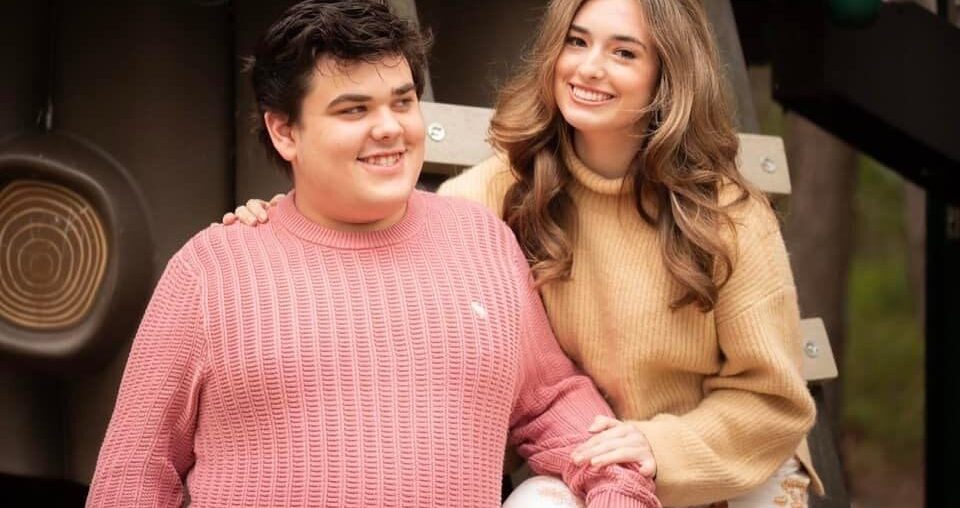
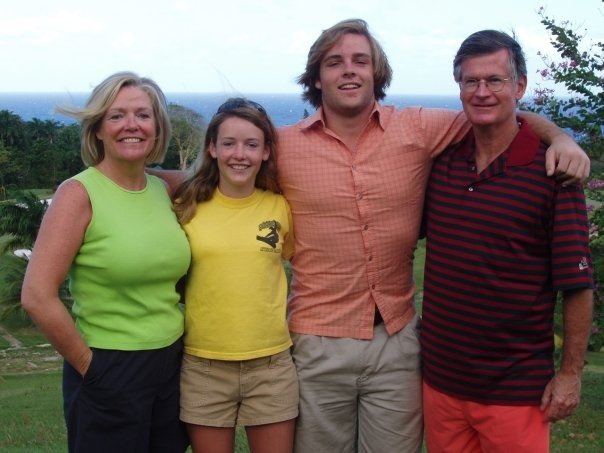
Frankie Doerge, Chad Doerge, Kate Doerge, Henry Doerge
If you’ve ever wondered how purpose is born from pain, or how one brave family can transform grief into hope for thousands, this episode is for you. Kate’s story is tender and electric, grounded and soaring….all at once. It will remind you that we always have a choice in how we play the cards we’re dealt, and that a single flutter can change the weather for someone else. Come listen, be moved, and like Penny……leave with a bigger wingspan.
Here are a few highlights from our conversation:
Charity Matters: Tell us a little about what Penny’s Flight does?
Kate Doerge:Penny’s Flight exists to keep our daughter Penny’s big, beautiful light alive and to change the future for families living with neurofibromatosis (NF). NF is actually the most common genetic condition in the U.S., but it’s also one of the most underfunded. Roughly 1 in 2,500 people are affected, about 150,000 Americans, yet most people have never heard of it. Penny was diagnosed at four months old, and even then we refused to let a diagnosis define her. She lived joyfully for sixteen radiant years.
When Penny passed on November 11th, 2022, our community wrapped us in so much love that my husband and I knew we had to channel that energy into purpose. Within four weeks, we launched Penny’s Flight. Since then, wings have truly spread: we’ve raised close to $6 million, started more than a hundred student-led chapters at high schools and colleges, and rallied teams and towns around “Play for Penny” lacrosse games, “Pucks for Penny” hockey nights, bake sales…..whatever brings people together to shine a light. Our three pillars guide everything: finding beauty in imperfection, choosing positivity in the face of challenge, and having faith over fear. And our mantra, “It’s your wingspan, not your lifespan” is Penny’s message to the world.
Charity Matters: Tell us a little about Growing up? Did you have any role models that inspired you in this work?
Kate Doerge: My role models were my parents from day one. My mom was a dancer and an absolute beam of light….belly dancing, tap, jazzercise……you name it. She taught me how physical strength fuels mental strength and how movement lifts you out of darkness. My dad was a devout Catholic, a former Marine who once studied for the priesthood. From him I learned faith, service, and the belief that there’s something bigger than all of us.
Our home life wasn’t cookie-cutter. My mom might pick me up in leg warmers while other moms wore turtlenecks. We traveled to Haiti and the Dominican Republic in the 1980s, long before “service trips” were common….so I saw early what it meant to help beyond your comfort zone. That shaped me. In my career in PR and fashion, I was always asking, “Where can I make a real impact?” Those seeds of service were planted well before Penny’s diagnosis, and they sprouted the moment we needed them.
Charity Matters: What was the moment you knew you needed to act and start Penny’s Flight?
Kate Doerge: I always return to my father’s advice the night before our wedding: “You will be challenged. It is up to you how you play the cards you’re dealt.” When Penny’s brain tumor, glioblastoma…..accelerated in her last two years, we chose to celebrate her life loudly. During her final week, instead of closing the doors, we opened the windows and invited everyone in. We created what I call a “love cocoon.” There were butterflies everywhere….her sign to us.
After we celebrated her life, my husband and I looked at each other and knew: we have to do something. My background is launching brands; his is finance. Our community was saying, “How can we help?” Four weeks after November 11th, we launched Penny’s Flight. It felt like Penny was our partner in it…..like she was saying, “Keep going.” Even on the day she passed, we took a family walk, got back in the car, turned the ignition, and “Walking on Sunshine”…her song blared from the radio though it hadn’t been on before. That was our first sign: move forward, one step at a time.
Charity Matters: What are your biggest challenges?
Kate Doerge: Grief and logistics don’t take turns. I had two sons, a husband, a home, a community of Penny’s sixteen-year-old friends who had never lost someone, and extended family…..all hurting. I felt a responsibility to lead with light, to model a path that others could follow. Practically, the challenges are familiar to every founder: building infrastructure while building momentum; sustaining funding; making noise in a noisy world. Add to that the complexity of medical research siloed efforts, niche subfields, and the realities of federal funding. Last year, NF’s federal allocation was cut; we went to Capitol Hill and advocated to restore it. It’s back on the bill for review, but advocacy never stops.
And yet the hardest challenge….turning pain into purpose….has also been our greatest teacher. Every day we choose the light. Every day we choose action.
Charity Matters: What fuels you to keep doing this work?
Kate Doerge: Energy can’t be created or destroyed….it transforms. I feel Penny’s energy, and my parents’ too. I feel it in the butterflies, in the serendipities, in the way doors open at the exact moment you need them to. I also feel powered by the next generation. Students reach out constantly: “Can we host a game? A bake sale? Start a chapter?” Watching young people use social media for good….that’s rocket fuel.
Our community fuels me. Media friends like Norah O’Donnell shared our story on CBS within a week of launch, and Oprah Daily invited me to write about “playing the cards you’re dealt.” Brand partners like Veronica Beard, J.McLaughlin, Roller Rabbit asked, “What can we do?” Their platforms amplify NF awareness in ways research labs alone can’t. That collaboration…science, students, storytellers, brands….keeps me going.
Charity Matters: When do you know you have made a difference?
Kate Doerge:Impact shows up as a human story. A mom DM’d us: her four-year-old was just diagnosed with NF; she’d gone down a dark Google rabbit hole. That same day, she opened her mailbox to a J.McLaughlin invite for a Penny’s Flightevent and found a different rabbit hole….hope. Months later, she organized a Blackstone Gives Back team, pitched Penny’s Flight, and won $125,000 for NF research. That’s a life changed turning into lives changed.
Another young woman with NF wrote when Roller Rabbit launched their butterfly pajamas for us. She said, “I never thought my favorite brand would support the condition I’ve lived with. I finally feel seen.” That sentence…I feel seen…that is impact.
And then there’s community: our first Penny’s Flight Family Jamboree drew 650 people….blankets on the lawn, kids running, live music on a summer night because Penny loved birthdays. We didn’t just raise funds; we raised each other.
Charity Matters: Tell us what success you have had and what your impact has been?
Kate Doerge: In two and a half years, we’ve raised close to $6 million, launched 100+ student chapters nationwide, and activated schools and teams through “Play for Penny” and “Pucks for Penny.” We’ve become a marketing engine for NF, partnering with Children’s Tumor Foundation to complement their strong scientific backbone with our storytelling and awareness. We brought leaders together at Cold Spring Harbor Laboratory’s Banbury meeting, a lock-in think tank of global experts because progress accelerates when silos come down.
On the research side, we’re funding work that’s already showing promise. For a disease as heterogeneous as NF, that means convening optic glioma experts next to cognitive researchers, next to tumor biologists, next to data scientists and pushing for shared insights rather than parallel tracks. When we measure impact, we count dollars and chapters and media reach, yes. But we also count new collaborations formed, young advocates trained, and families who no longer feel alone.
Charity Matters: If you could dream any dream for your organization, what would that be?
Kate Doerge: It’s not a dream….I feel it in my bones: we will find a cure for NF. That conviction is why I pour the same determination I once poured into giving Penny the fullest life into this mission. The roadmap is clear: sustained funding, coordinated research, relentless awareness, and a movement of people who believe that wings scattered from a thousand small actions can change the weather.
Charity Matters: What life lessons have you learned from this experience?
Kate Doerge: First, we always have a choice in how we play the cards we’re dealt. That wisdom from my dad has become a daily practice. Choose to move literally. Put your feet on the floor. One step. Then the next. Small, actionable steps carry you through the mud of grief.
Second, look for the signs. They’re real. Butterflies on the window in November. A radio that wasn’t on suddenly playing “Walking on Sunshine.” When you keep your eyes open, you realize our loved ones are with us differently, but powerfully.
Third, collaboration is oxygen. In research, in advocacy, in community building, the magic happens when we invite everyone to the table….scientists, students, brands, media, families. We each bring a wing to the flight.
Fourth, service multiplies. The “butterfly effect” is not just a metaphor….it’s a strategy. A student chapter post turns into a game night turns into a grant turns into a lab experiment turns into a breakthrough. Tiny flutters, big weather.
Finally, positivity is not denial; it’s discipline. Choosing beauty in imperfection and faith over fear doesn’t erase pain. It transforms it into purpose.
Charity Matters: How has this journey changed you?
Kate Doerge: Three years ago, I couldn’t have imagined this life….writing a book, speaking about reimagining grief, launching workshops to help others navigate adversity and midlife reinvention, stewarding a national movement in Penny’s name. I used to search for the “one client” that would let me move the needle; now I see that the needle is people, and the work is love organized.
I am more certain, more grounded, and oddly, more joyful. I feel accompanied by Penny, by my parents, by a community that believes in light. I’ve learned that grief and gratitude can share a sentence. I’ve learned that teenagers can be fierce world-changers. I’ve learned that when you open your doors in the hardest week of your life, you teach an entire community how to love without fear.
Most of all, I’ve learned that it’s our wingspan…how far we’re willing to reach for others…that measures a life.Penny taught me that. Now it’s my job to help the world learn it too.
CHARITY MATTERS.
YOUR REFERRAL IS THE GREATEST COMPLIMENT, IF YOU ARE SO MOVED OR INSPIRED, WE WOULD LOVE YOU TO SHARE AND INSPIRE ANOTHER. If you enjoyed today’s episode, please connect with us:
You’ve heard me say it time and time again—the universe constantly places incredible people in my path. Sometimes I think my brain has a special filter that helps me find the very best humans on this planet. A few months ago, I was speaking to a National Charity League group and selling books when this bright light of a woman approached to buy a few. We started talking, and of course—she’s a nonprofit founder! But she is so much more than that. Her story is as amazing as she is.
I am truly excited for you to meet Cristol Barrett O’Loughlin and hear her incredible journey of service with her nonprofit, RareGivers Global—a worldwide network that provides emotional support to caregivers of those with rare, chronic, and complex diseases. Did you know that 350 million people worldwide live with a rare disease? That’s 1 in 15 families globally who are navigating these caregiving challenges. Cristol’s story is ultimately a love story—for her brothers, whom she lost to a rare disease—and how she now uses her life to help countless others.
Here are a few highlights from our conversation:
Charity Matters: Tell us a little about what Raregiver Global does?
Cristol Barrett O’Loughlin: Raregiverscares for the caregivers. We are all about providing emotional relief services to caregivers that are living in what we call a radical caregiving environment. We work specifically with patients, parents and healthcare professionals in rare, chronic and complex diseases. There’s about 10,000 uncured rare diseases that have been genetically identified, and it’s not a small community. It’s the wrong word… rare. The rare disease community is actually one in 10 families in the United States, and one in 15 worldwide.
This is really radical caregiving. This is 24/7 medical management at home. This is doing skilled nursing interventions like administering epileptic medications every hour on the hour, 24/7 for decades.
Charity Matters: Tell us a little about Growing Up…Did you have any indicators that maybe you would go into this type of work?
Cristol Barrett O’Loughlin: My parents met when they were 15—he was the football captain, she was the cheerleader. They married at 19 and told their pediatrician they wanted a big family. Within eight years, they had five children. What my mother didn’t know was that she was a carrier for Hunter Syndrome, a rare genetic disorder affecting boys.
My oldest brother didn’t have it, but my younger brothers David, Jared, and Randy did. My mom noticed early delays in their development. Eventually, they received the diagnosis: Hunter Syndrome. There’s no cure. Our family went through every phase of grief, holding on to hope.
I was 10 when Randy passed at 12. My other brothers passed at 18 and 19. I was 10, 14, and 15 when they died. Not long after, my parents divorced. Later, I learned that divorce rates are six times higher in rare disease families. Depression, anxiety, and addiction rates are also staggeringly high among caregivers.
Charity Matters: What was the moment you knew you needed to act and start Raregivers Global?
Cristol Barrett O’Loughlin: You even mentioned in your book, Change for Good, the impact of mortality events. I think there is a moment in your life where you realize you’re mortal. You think, I may not be on the planet as long as I thought I was going to be. This is not a dress rehearsal and we only have one life to make our mark. I always wanted to be in an environment where I can give back and to have some sort of meaningful element to the work I’m doing. That moment for me was far after my brothers had passed.
As I started thinking about starting a family. I was genetically tested and actually found out that I was a carrier. And based on that, my dad and I go to the national MPs (Hunter’s Syndrome) family conference. We walk in the door and we look around and there are all these young men that look like my brothers. It just gave me chills.
I came home and said to my girlfriends, “There’s a part of my history that I’ve never really shared with you. And I want to do something.” We started a fundraising organization called Angel Aid. Angel is a moniker, A, N, G, E, L which stands for A Nonprofit Group Enriching Lives.
It took awhile but we raised $50,000 and in 2002 we received a matching research grant which went on to become an FDA approved treatment. The research doctor had this very elegant idea that if the kids are missing the enzyme, they need to create a synthetic version of that enzyme, and we’ll flush it through their body like dialysis, Enzyme Therapy. We went through FDA approval that funded research. Then we went through clinical trial, and now young men that would have passed away in their teens are going off to college.
Charity Matters: What are your biggest challenges?
Cristol Barrett O’Loughlin: The challenge is that missions morph. Angel Aid was the precursor to Rare Givers. And here’s the challenge. There’s no cures for any of these diseases. Community is not a cure, it’s a treatment. I mentioned 10,000 rare diseases, one in 10, one in 15. Worldwide, that’s 350 million families and there’s only treatments for 5% of that community. So the challenge is the other 95% have no options, none. They’re going through the same cycles that my family went through holding hope and grief in the same heart every single day.
In 2016, I went in and I got a routine mammogram. I came out with a breast cancer diagnosis. I was like, Oh no, well, there’s another shift in mortality. Now I have a 10 year old. I’m married. What hit my heart was, what am I waiting for? I thought my community was the MP/Hunter’s Syndrome community. Then I realized, my community is this much broader community. I was waking up every single night, thinking these families with rare diseases must all be in emotional crisis. There’s no cures. That community needs emotional support like I received with breast cancer support.
Charity Matters: What fuels you to keep doing this work?
Cristol Barrett O’Loughlin: My mother inspires me because, as I mentioned, my parents divorced, and my mother went on a very deep, dark journey with alcohol, gambling, with any really kind of escape mechanism to deal with the pain and grief.
We can’t imagine the choices that my family’s had to make. Somewhere along the way, her faith pulled her through, and she got sober. She came back to me. My mom showed up for my daughter and my family in a way that was really profound. She actually reconnected with my father and did a lot of really healing conversations. So what fuels me is very personal, but it’s also, an example of what can happen in rare disease families. This is the joy to the grief.
Charity Matters: Tell us what success you have had and what your impact has been?
Cristol Barrett O’Loughlin: We’ve identified 287 pieces of published research on the emotional toll of rare disease caregiving. From this, we developed an emotional journey map outlining six stages families go through—from noticing changes in a loved one to diagnosis, caregiving, and end-of-life care.
We started with seven women in a living room in 2019. Today, we’ve reached 77,000 families. Our guidebook—thanks to Microsoft—has been translated into 12 languages. With AI tools, they’re working on 400 more. Our goal? Reach 3.5 million rare givers by 2026. What do we need now? Funding. But we have momentum on our side.
Charity Matters: If you could dream any dream for your organization, what would that be?
Cristol Barrett O’Loughlin: I dream big. My dream is very clear and specific. I want Dolly Parton to write a song about RareGivers.Then Melinda Gates will hear it, fund a $10 million endowment, and Oprah will spread the word to hospitals worldwide. Colin Farrell, whose son has a rare disease, will join in. Chris Hemsworth will visit rare disease families in Australia. Eva Longoria will thank us at a L’Oréal event. John Mayer will bring a Hunter Syndrome patient onstage. And Julia Roberts will direct and star in an Amazon series to educate the world. That’s my dream.
Charity Matters: What life lessons have you learned from this experience?
Cristol Barrett O’Loughlin: When I was younger, I used to think that I was creating change in the world and I would just muscle it out and use my intellect, my network, connections, skills and just manifest change. During COVID, it was just a global pandemic, that humbles you in a way that you just can’t deny. We had to relaunch Rare Givers. I started realizing that I can’t muscle through this.
I was looking at my mother, she’s a very strong woman of faith, and I really had not cultivated that side of my heart and my soul. The word surrender just kept coming up again and again. It brings me to tears, because as soon as I surrendered the outcome, then it just became an exercise in faith. I will tell you that the miracles just start coming, and then you start living in gratitude, hopping from miracle to miracle and that exact right person arrives.
Charity Matters: You mentioned there was a happy ending to your familY’s story, can you share it with us?
Cristol Barrett O’Loughlin: My parents married young and lost three of their five children. They divorced, remarried, divorced again, and married new partners for 20 years. Both were widowed in the same year our daughter Chloe was born.
Chloe’s arrival reopened their hearts. After 35 years apart, they began dating again. And last year, at 81 years old, we remarried them—60 years after their original wedding. That’s our happy ending.
CHARITY MATTERS.
YOUR REFERRAL IS THE GREATEST COMPLIMENT, IF YOU ARE SO MOVED OR INSPIRED, WE WOULD LOVE YOU TO SHARE AND INSPIRE ANOTHER. If you enjoyed today’s episode, please connect with us:
Easter has passed and we are officially into springtime, the season of renewal. There is no greater renewal story than today’s guest Susan Shaw. Susie and her husband lost their nine year old son William in an accident. In the years that followed they have taken that pain and turned into purpose for other grieving families.
Join us today for a powerful conversation about love, loss and renewal. Susie’s journey is one of inspiration and hope that there is always love.
Here are a few highlights from our conversation:
Charity Matters: Tell us a little about what WBYC does?
Susie Shaw: At WBYC, we empower individuals to embrace their authentic selves with courage and joy. We are dedicated to fostering meaningful connections within our community and supporting grieving families by providing the tools they need to honor their loved ones and navigate their journeys of healing. Together, we create spaces where love, remembrance, and personal growth flourish.
Charity Matters: What was the moment you knew you needed to act and start WBYC?
Susie Shaw: We started the organization shortly after my son William died. He died in 2019, when we were on a family ski trip out in Montana. William was nine. There was an accident and, as you can imagine, it was one of the most painful and excruciating events that I’ve ever experienced. The beauty that came from my community after he died, was incredible. I live in a very small town, where everybody knows everybody.
When William died, he was in third grade and the whole town suffered with us. As time went on, we started to notice and hear that some of William’s friends and parents were still struggling in their grief. A year after William had died, my husband and my surviving son, Kai, were getting support. We were going to the grief groups because there are services for people like us there. There aren’t any services for best friends.
If you’re the friend of a little boy who dies, there’s no support group for that right? I was so close with all of these families that I just hated what I was seeing for them. So a group of moms got together with my permission, and they decided to put on our very first event playing a game William loved. When we saw the excitement and the beauty and the love that all these kids felt for each other while honoring William and they had that agency over their feelings. Williams Be Yourself Challenge spawned out of that inaugural event. We went on to host an educational lecture and brought in a therapist to talk about grieving for the community.
I also realized how privileged my family has been in our grief journey and the support that we have received through therapy and our beautiful community. My husband got to take six months off of work. That is not the norm. We had this unbelievable privilege of him taking those six months and we got to travel as a new family of three to figure out. We were able to create some new memories. All this stuff that happened in the early months after William died was percolating in me. A while after, I thought,” I wish other families could have this. I wish other families could go away, because sometimes home is hard. The bedroom is there, the toys are there.” There’s all these reminders.
We’re currently raising money to be able to buy a single family home for families who have suffered the loss of either a child or a parent. We want to be able to give 52 families per year a free week-long vacation. I realized that getting away was so incredibly important for our family. Now all I want to do is allow other families to have just a week. Isn’t long enough, but it’s something.
Charity Matters: What are your biggest challenges?
Susie Shaw: I am an entrepreneur. And that was something I had never done before. This isn’t me. My first job out of college, I was in the nonprofit space. I worked for the United Cerebral Palsy of Chicago. I was their events planner, and it was an amazing job. Then I worked at the Museum of Modern Art in New York in their development office and at the LA County Museum of Art. So, I had this past of service and understanding of the world of philanthropy and giving.
Some of my challenges have been being the starter. Before, when I was in nonprofit, I was the worker. Now I’m telling people what to do. I’m walking that line of not trying not to control too much, but needing help finding the right help. Now we need expertise in real estate and in planned giving.
Charity Matters: What fuels you to keep doing this work?
Susie Shaw: I just think about the families that I want to serve because I know what it feels like to need that support, you know. I’ve walked their path. And I certainly don’t want to insinuate that I know what every grieving family feels like, because every grieving family has their own unique story. However, I do think that some of the things we want to do for these families are universal. You want to be cared for. You want to be seen in your grief. You want to be witnessed in your grief, and know that somebody is looking out for you who understands.
And so that’s what I think about when, when I get off a call with a potential donor who just doesn’t get it or isn’t interested in the project.. It happens. You’re not going to relate to everybody. Then I go back to the families because I’ve been there and I know how painful it is.
I just want to be able to give other families that same little bit of hope to know that they’re going to be able to survive. I was so afraid that my family would disintegrate after William died. Instead, we had a ton of support, a ton of guidance and we’re doing wonderfully. We brought a new child into our life. We have a four year old, Cody and he is just the best thing that we could have done for our family.
Charity Matters: Tell us what success you have had and what your impact has been?
Susie Shaw: it’s hard to quantify, because what we’re trying to do is such an emotional experience. We don’t have a program where we’re hiring therapists to execute with immeasurable results. However, I do think about success in getting feedback from a family who spends a week at our house and telling me that it was transformative, that it was healing and that it was important. I also think about those families than telling their friends about it, and maybe those friends then donate to us. That, to me, is a measure of success. Or those guests that come to our house and tell their grief support groups about their experience and create a referral system. That’s a measure of success. The fact that people are recognizing that this is a needed service within the grief space is success as well.
Charity Matters: If you could dream any dream for your organization, what would that be?
Susie Shaw: if we had a network of grief retreat homes for families. That would be beyond my wildest dream. Then we could serve double and triple and quadruple the amount of families. With one house, we can serve 52 families a year, if we were to have people there all year.
Judy’s house is a grief support group out of Denver and they partner with New York Life Foundation. Both are responsible for sort of quantifying data around bereaved families. Their newest report has just come out. They have found that one in 11 children will suffer the loss of a sibling or a parent before they turn 18. Wow. That is so many families! 52 families to me, sounds like an amazing feat, but that’s barely scratching the surface of how many families need grief support. If we can have more, let’s have more!
Charity Matters: What life lessons have you learned from this experience?
Susie Shaw: I’m grateful for every moment. There’s no rush in any of this. Let’s just be really intentional about what we decide to do today or this week or this month, and that’s really helped me slow down in everything. I just feel like I’m a better human being.
Charity Matters: How has this journey changed you?
Susie Shaw: When William died, my entire life changed 100%. I am a mother and I have two living children as well. I identify as a bereaved mother. Sometimes first, because it has changed me so much more than even becoming a mother. Losing a child has changed me more than giving birth to three children.
I think I’m a better person. I really do. And I talk a lot with other bereaved moms. There’s a similar sentiment among many of us. I mean, we were just cracked open. Everything just came pouring out….The good, the bad, all of it and I guess I just feel like I’ve grown so much in my empathy and for all types of people. Especially with my little four year old, I am so much more patient because I view motherhood in a new way…… that we all just need to slow down.
CHARITY MATTERS.
YOUR REFERRAL IS THE GREATEST COMPLIMENT, IF YOU ARE SO MOVED OR INSPIRED, WE WOULD LOVE YOU TO SHARE AND INSPIRE ANOTHER. If you enjoyed today’s episode, please connect with us:
Did you know that students miss 53 million hours of school each year due to oral disease? I did not but thanks to our amazing guest today I have learned so much about what our underserved communities around the country are facing with a lack of proper dental care. I am so excited to introduce you to the amazing Dr. Nicole McGrath Barnes. A full time dentist, a mother and a nonprofit founder on a mission to change all of that with the KinderSmile Foundation.
Join us for an incredible conversation that will inspire you in unbelievable ways. If you don’t think one person can change the world then you haven’t met Dr. Nicole! Dr. Nicole is pure sunshine in a bottle and will definitely give you something to smile about!
Here are a few highlights from our conversation:
Charity Matters: Tell us a little about what The KinderSmile Foundation does?
Dr. Nicole McGrath Barnes: KinderSmile Foundation is a 501, c3, non profit organization whose mission is to increase oral care access and oral care education for low income children and Perinatal mothers and their families. And our vision hopes to eradicate the number one preventable disease, which is oral disease, and that every child has a chance to see a dentist.
Charity Matters: Tell us a little about Growing up? Did you have any philanthropic role models?
Dr. Nicole McGrath Barnes: Growing up, I can identify multiple role models. My mother, of course, was one. She was an immigrant from Jamaica, West Indies. My mother worked very hard, and she poured into us giving back, giving back, giving back in her own way. I noticed as a young child, I always had an affinity to serve and to give back. Either I was taking some young children to the park or babysitting or helping the elderly. It was always part of my fabric and my soul. And so I think that’s where that philanthropic part of me started as a very, very young child.
When I completed dental school 1991 I was this black, successful dentist in northern New Jersey, Montclair, New Jersey, I checked off all the boxes you have, your home, your children, so forth and so on. But my whole soul was still craving or yearning for something. I had a hole in my soul despite checking off all the boxes. And then you realize that there’s a difference between providing a service, like what you do in dentistry or serving your community. What I was missing was serving my community.
Charity Matters: What was the moment you knew you needed to act and start The KinderSmile Foundation?
Dr. Nicole McGrath Barnes: That moment was in 2007 when I decided to open up my private practice to children at a local Head Start in Montclair, New Jersey. I asked the Executive Director of that program to please bus children to my office. I wanted to treat them for free as long as they have the consent from their parents. One evening I received a phone call from my receptionist. She said, ” Dr Nicole. There is a five year old little girl here in the office now. They need help. They need an emergency exam.”
And so I leave my children, I go to the office. There was this little five year old black girl, we’ll call her Z, and she leaped into my arms. She literally had an abscess the size of a golf ball. And when I saw that, my heart stopped after leaving my children, because my son was almost that age. I knew that it could potentially be deadly. So I spoke to the grandmother, and I said, “Look, this is serious. We gotta get on some antibiotics. Do you have any insurance? ” And she said, ” Well, we live in Union County, we live 30 minutes away. We could not find a dentist in a 35 mile radius to treat her because we have state Medicaid.”
So that night, I went home, and I could not sleep. I fell to my knees, and I had a long conversation with God. I literally said,” if this is my purpose, confirm it. The next morning, I was reading the ADA quarterly news, about a 12 year old, black boy from Prince George’s County, Maryland, who died from that same toothache, infection that little Z had. He was 12 years old. His mother was burying her first child because no one wanted to treat him because he had Medicaid. All it would take was two minutes of writing a prescription.
It was at that was that moment, November 2007 that I started KinderSmile Foundation. I knew nothing about a nonprofit, absolutlely nothing.
Charity Matters: What are your biggest challenges?
Dr. Nicole McGrath Barnes: Some of the early challenges were juggling a family, a private practice all while starting a nonprofit. Some of the challenges as a woman entrepreneur you’re balancing family life because you’re driven by your passion. You’re driven by the fact that there’s a problem and I can solve it, or I can contribute to the resolution of this issue.
Then trying to get other people in my profession to understand why I’m doing this and the necessity. That was very difficult, because public health dentistry is not necessarily viewed as a successful entity of the dental profession. And if you don’t know that 53 million hours in school are missed every year due to oral disease, you don’t know that. I had to educate my colleagues, not to get offended, but to educate them. So the education took at least seven to 10 years. Now we have a list of volunteer dentists who are willing to participate, who are willing to open up their doors and to treat our children and our patients. So it’s worth it. The persistence paid off.
Charity Matters: Tell us what success you have had and what your impact has been?
Dr. Nicole McGrath Barnes: I tend to look at it qualitatively. Education to me is the key. And for me, success is if I can educate a child, one family at a time, the extractions, the fillings, the dental services, that is the icing on the cake. But if you can really meet them where they are, to edify and encourage them that you know what? Your child doesn’t need to have a cavity. This is the way you go about it. That’s what makes me sleep at night.
Yes, the grants that you receive, or the $16 million worth of in kind services, or the 8000 patients we see annually, yes, those numbers are impactful. But the lives that you save through compassion, educating, and letting them know that I Care Dental Homes that we built, not dental clinics, which has a negative connotation, but the Dental Homes that are beautifully decorated and clean and organized. When they walk in, they say, “This is for me,. whether I have dental insurance or not.” That is success. They know they can always come back to a KinderSmilecommunity for quality, comprehensive treatment. That to me is success.
Charity Matters: If you could dream any dream for your organization, what would that be?
Dr. Nicole McGrath Barnes: The big dream would be the expansion of our KinderSmile dental homes and our KinderSmilecommunity oral health centers. I would like to see that in other areas in the country. A dental home that opens the door to the underinsured. Replicate our model and have it in other indigent areas because we know the model works. We know the mission and the vision is so impactful.
Charity Matters: What life lessons have you learned from this experience?
Dr. Nicole McGrath Barnes: I learned that first of all the word obedience blares out right when you’re called to do something trust and have that faith. But I also learned that persistence wins and humility connects God. Persistency wins and humility connects because when you’re humble, you realize it’s not about you. When I’m speaking to my colleagues, and you’re humble, regardless of what they’re thinking, your humility is going to connect.
Charity Matters: How has this journey changed you?
Dr. Nicole McGrath Barnes: This has been a wonderful journey. A wonderful, wonderful journey. One thing, I could definitely say is that I get less offended. I think in the early years, when colleagues would say insensitive things like, “What’s it in for me?” or “I don’t treat those.” I would take it just a tad bit personally. When you step back and you realize that it’s bigger than you, but most importantly, it’s not about you. Then you get less offended. Then you say, let me use this platform to educate my colleagues, to educate people, regardless of your socioeconomic status or your color or your race or your religion. This is my purpose. This is my journey. So let me educate because you don’t know what you don’t know.
Charity Matters: What fuels you to keep doing this work?
Dr. Nicole McGrath Barnes: To be very honest, what fueled me was my faith and that I was brought here for a reason. This is my purpose. And when you know that, you know that. You know this is a purpose, there’s no such thing as giving up. You understand that there will be dark times and there will be light times, but you still persist, because it’s bigger than me. It’s serving a community and it’s creating a legacy.
CHARITY MATTERS.
YOUR REFERRAL IS THE GREATEST COMPLIMENT, IF YOU ARE SO MOVED OR INSPIRED, WE WOULD LOVE YOU TO SHARE AND INSPIRE ANOTHER. If you enjoyed today’s episode, please connect with us:
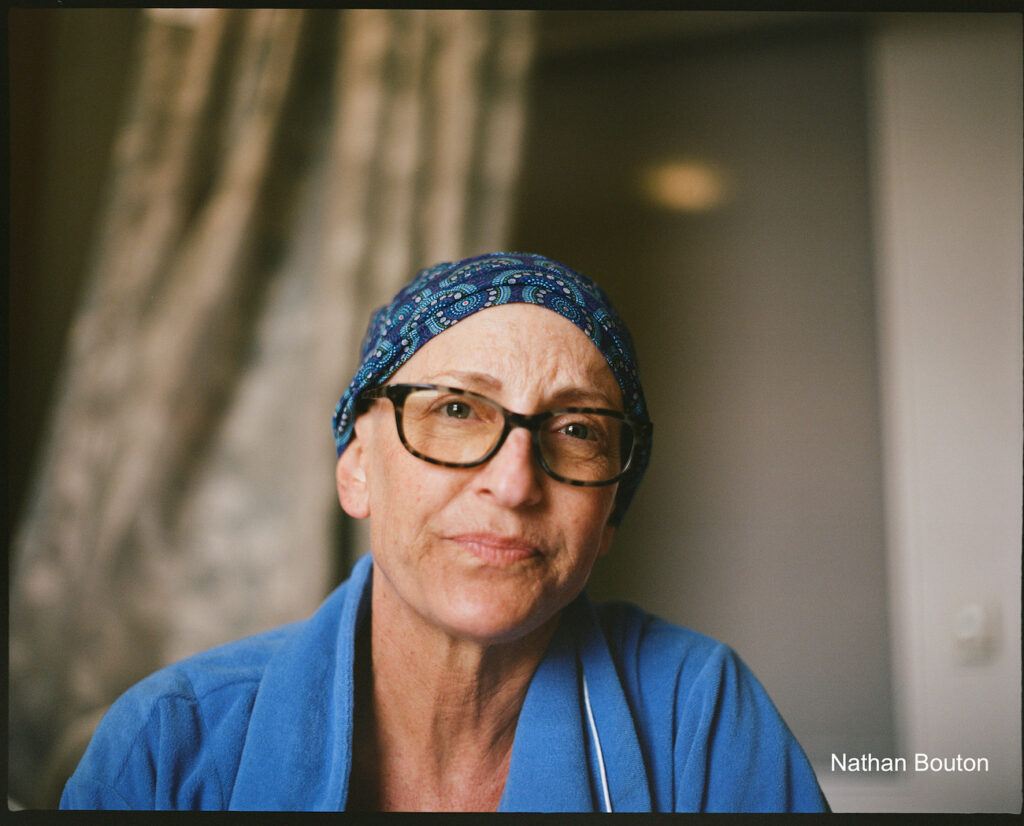
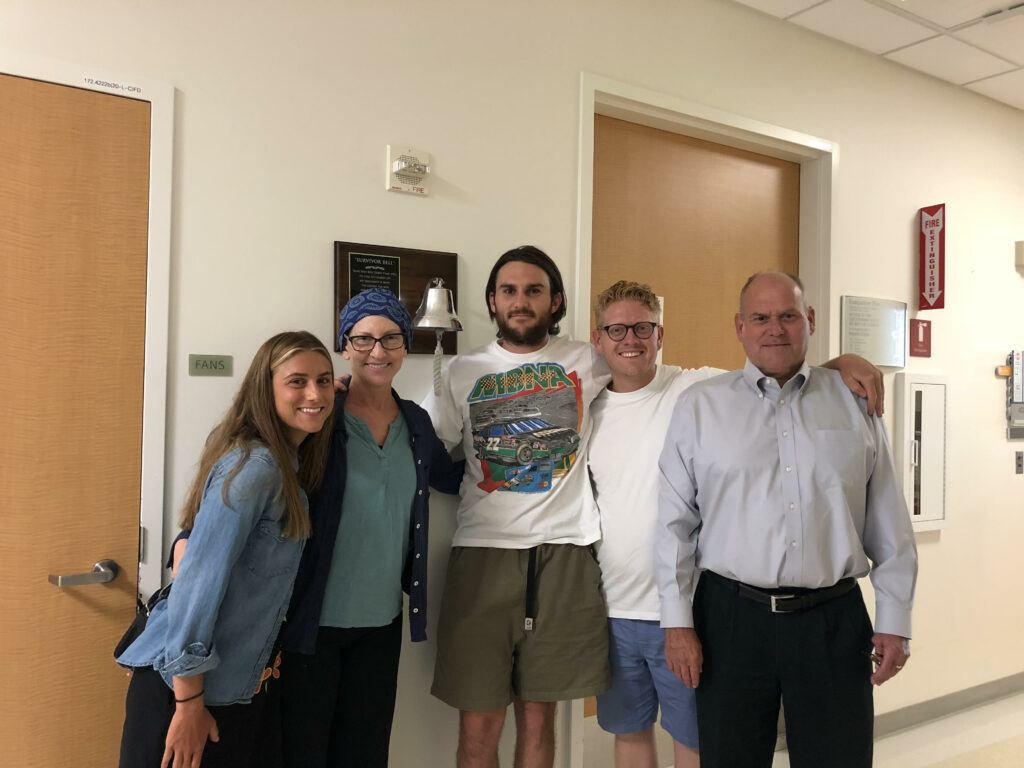
Last year I interviewed my friend, Dana Bouton, who has been living with terminal cancer. I told her that I would repost our conversation each year in celebration of her birthday which is March. I missed Dana’s birthday by a few days but she is celebrating every precious moment and year. I am thrilled to celebrate her in this small way. So if you are looking for some inspiration this conversation with Dana will do it ……
Years ago when I lost my mom, someone said to me, “The greatest gift you can give the world is a life well lived.” Today’s guest is a fantastic example of just that. In full disclosure, I have known our guest Dana Bouton for probably twenty years. We have raised our children in the same community. Dana sent me an email explaining that her cancer had returned and was now terminal. She was determined to use the time she had left to leave a lifetime legacy to the City of Hope. The Dana Pepper Bouton Endowment Fund will help families financially devastated by cancer.
Join Dana and June Penrod from City of Hope to learn how one person can make a difference for so many living with cancer. Dana’s humor and insight will inspire you and make you think about how you live. She is a true example of the quote above and what really matters. During our conversation I made Dana a promise that I would re-publish her podcast on her birthday each year as a reminder and a legacy of her work, so Happy Birthday Dana! Cheers to another amazing lap around the sun. Thank you for reminding us all how to live.
Here are a few highlights from our conversation:
Charity Matters: Tell us a little about what The Dana Pepper Bouton Endowment Fund will do?
Dana Pepper Bouton: The idea of the fund was set up to help families who are navigating the difficult diagnosis of cancer to have resources for support. They want world class care in hospitals and need to get transportation, gas, child care, groceries, and a multitude of other things. So this fund is set up to kick out money in the form of gift cards, to help these families get to City of Hope. More than having the best possible care but receiving some supportive care on the side of having to deal with their loved one being a patient.
June Penrod: What we do is provide state of the art treatment. So we are really the champion when it comes to precision medicine of being able to fight cancer. Not only at the cusp of when it’s worst in your body, but also in the beginning phases of helping our population screening for cancer. So we really did the entire gamut from A to Z on cancer treatment for all patients in Los Angeles and Orange County.
We are really proud of the impact that we are having on cancer patients in the nation. The role that I specifically play is acquiring resources for what we call our Department of Supportive Care Medicine. It is one of the unique elements of City of Hope that make it so special. Supportive Care is basically the emotional and spiritual arm that comes out of the cancer journey that patients go through. So while they can focus on the treatment with their doctors, Supportive Care medicine wants to focus on their emotional care journey. Then they are really focused on their cancer treatment and not having to worry about any of the external factors that might get in the way of that journey.Charity Matters: What was the moment you knew you needed to act and start this endowment?
Dana Pepper Bouton: I was diagnosed with stage four non Hodgkins lymphoma in January of 2018. And here we are about five and a half years later. I’ve had multiple rounds of chemotherapy, back to back bone marrow transplants, a few operations, infusions, and transfusions. Now I’m terminal after all of those treatments. You know, I can’t control the fact that the doctors say, “there’s nothing more we can do for you, except try to keep you alive a few months at a time.”
So I’ve lost the ability to kind of control how long I thought I would live. I came to the conclusion that I haven’t lost the ability to create a legacy for other people. Even though I’ve had basically what I simply call very bad luck because there’s no genetic component to how sick I’ve been. I’ve also been very blessed. And I’ve had multiple resources, in terms of financially supportive community to help me along the way.
After spending so much time in the hospital, and listening to June and others talk about the supportive care that City of Hopeoffers. I can create a legacy after I’m gone to help hundreds of people and that makes me feel really good. In fact, being terminal is really not that big of a deal in terms of how many people I can impact during the few months, maybe six months a year that I have left. This brings me such great joy and working with June and seeing her enthusiasm and the people around me who want to give. I just want to work as hard as I can to reach out to as many more people as possible. And I do have a tendency to accost people in the market.
Charity Matters: What fuels you to keep doing this work?
Dana Pepper Bouton: I would say number one, I’ve had incredible support at City of Hope.And I also think, knowing that I have very limited time left, I see and feel and touch and smell in here so acutely. But I’m just really inspired by my enhanced senses. And so I love to capture what’s around me from macro to landscape, and put that on my website and share that in the form of wall art or greeting cards, postcards, and sell them, and how those proceeds go to my fund.
I’ve laid in bed for sure, and had had some really hard days. But seeing, feeling, talking to people and really hearing and really listening just propels me to keep going. I know that when I am dying, I’m not going to regret being so tired. While taking pictures, or being with people, I would only regret that maybe I just stayed in bed and felt sorry for myself. After I die, I want my fund to continue. So I’m pushing to get the word out.
Charity Matters: When do you know you have made a difference?
June Penrod: Dana is a great example. I think she doesn’t mind being the dramatic story of philanthropy, of this woman who should be taking care of herself but instead she’s taking care of others. Even though she received a terminal diagnosis, I mean, look at what she’s doing now. We have folks who say, we have a great life that we’re living now, thanks to City of Hopeand we want to contribute more.
But we do also have folks who say, “My loved ones are not here with me anymore, but I love the compassion and the care they received.” And so we want to give. Then there are folks who have never stepped foot into the hospital but they know the great work that we do. And they want us to be their charity of choice. That blows my mind as well.
Charity Matters: If you could dream any dream for your organization, what would that be?
Dana Pepper Bouton: My dream is that after I die, I want this fund to continue in perpetuity. So my dream is to keep spreading the word as long as possible. Then have my family and other people give money once or twice a year, in perpetuity.
Charity Matters: What life lessons have you learned from this experience?
Dana Pepper Bouton: I appreciate when people talk to me out of just accepting where I’m at, and not trying to tell me that I don’t have hope. I have hope. And I also know that I’m going to die. Maybe within a few months, or perhaps, you know, a year. I think that the biggest life lesson is to listen to people in terms of where they’re at in their head. And don’t try to talk them out of something that might be their actual reality. I know that people have their own fear, but set that aside and try to put yourself in somebody else’s place.
Charity Matters: How has this journey changed you?
Dana Pepper Bouton: There are two big changes. One is that I had the arrogance of aging, I thought I would live as long as my grandmother, who lived almost to the age of 102. I assumed it would be just like that. And that was very arrogant on my part. I’ve learned in the last six years or little over five years, I guess, that was just very presumptuous of me. And I’m quite humbled and I find that now to be a blessing. And I also think it’s funny.
I think my sense of humor has gotten quite rivaled. The other thing is that I’ve had to learn to slow down and not be busy, which I really liked. But I’ve accepted the fact that I can slow down. If I’m in pain, it’s okay to lay back down and listen to podcasts like your podcasts, and audiobooks and dream. My imagination has become so acute because I’ve been forced to lay down, forced to take a break. I willed myself to pivot and it took a while. And I’m proud that I had the strength although it took a long time to finally accept, don’t find it pivot. Find those blessings, and there’s new magic.
CHARITY MATTERS.
YOUR REFERRAL IS THE GREATEST COMPLIMENT, IF YOU ARE SO MOVED OR INSPIRED, WE WOULD LOVE YOU TO SHARE AND INSPIRE ANOTHER. If you enjoyed today’s episode, please connect with us:
It is a lovely gift when people around the world reach out wanting to have their story shared with our Charity Matters community. With 1.6 million nonprofits in the United States alone, it is hard to even begin to share the stories we have here. It is a rare moment when we have conversations with our friends across the pond. Since cancer knows no boundaries and affects so many regardless of where you live, I wanted to share this amazing organization and family with you.
Toby Freeman’s family was living a lovely life until his oldest brother Robin was given a shocking diagnosis of cancer at the young age of 23. Twenty million people will also receive that diagnosis each year around the world but not all of them will act to serve others. Join us today for a beautiful conversation on the power of love, family, community and legacy. We all have the power to make a difference and Toby’s story is a beautiful reminder of what happens when we do.
Here are a few highlights from our conversation:
Charity Matters: Tell us a little about what Robin’s Cancer Trust does?
Toby Freeman: The Robin Cancer Trust is the UK’s only testicular and ovarian cancer charity. We cover both of those cancers and we do education, awareness and support in schools, colleges, businesses all across the country, delivering life saving awareness talks.
We’ll go in talk to the students and have all of our very funny and very big prosthetics, a really fun engagement tools. We pull up the headmaster, make them check themselves in front of the class in a safeguarding way. They have a pair that they can check and then we go out to festivals and universities reaching students and young people there. We also reach millions of people online with our campaigns. And then we do support for our community as well. So we do free Cancer Support packs for anyone affected by those cancers anywhere in the UK. Then we send out additional resources to support them during that incredibly difficult time of their life.
Charity Matters: Tell us a little about your Family Growing Up?
Toby Freeman: I would say my parents are just so unbelievably selfless. There’s a national charity called Bliss, and my mom headed up our local chapter. I remember packing things and her talking to us about it and why it was so important. My dad used to help with loads of local organizations, and they’d always get really involved in anything we were doing.
I’m the youngest of three boys, so there was a lot to be done, but they were at everything we were doing sports and school wise. They were at theater productions, helping us. They we did Boy Scouts, which obviously a big part of that is giving back. I just have this feeling of my parents selflessness was something I’ve always been very aware of.
Charity Matters: What was the moment you knew you needed to act and start Robin’s Cancer Trust?
Toby Freeman: I always say experience breeds empathy. I think you have to go through something to be able to empathize with it. When these big, traumatic things that can happen in life, a lot of empathy comes out of them.
Rob was my elder brother. Rob and I were very, very close when we grew up. He was my best friend as well as my elder brother. As we were getting older, he used to ferry me around and look after me and make sure I got to football on time. Rob was in his prime of his life. He was 23, fit, gym guy, healthy clean eating, training all the time and looking after his body. He was very health conscious and he was diagnosed with a stage four mediastinal germ cell tumor. He had a testicular tumor in his chest that got to the size of a grapefruit wrapped around his heart and his lungs. It just hit us absolutely out of nowhere.
I just watched my brother go from the prime of his life to an absolute shell of himself both mentally and physically. By Christmas time we were thinking, what’s just happened to us? How has this just happened to us?
We were sat around the table, and we’d made a promise to Rob that we’d never let him just be a photo on the wall. It was never our intention to put him at the forefront of everything. What we did realize was, if someone as health conscious, as fit and active as Rob was could be diagnosed at that later stage and ignore signs and symptoms, then there was something to be done.
During that entire year, we couldn’t find any information about the type of cancer he had. We searched Google, and there was just nothing, and we just felt so alone and untethered. We didn’t want another family to feel that way. My dad’s a very pragmatic man. He said, “If we are going to do something, we need to research it thoroughly, understand what the problem is and how to fix it. We need to create something that isn’t a grief reaction. Something that is actually needed and can outlast us.” So from day on we wanted to be able to step away from this at some point. We want other people driving this. There’s been a beautiful 12 years of seeing this grow .
Charity Matters: What are your biggest challenges?
Toby Freeman: I think the biggest challenge was navigating the grief. I think two things saved me during that time. First, my now wife treated me with a lot of TLC and gave me the kick up the butt to go to grief counseling. Second, the charity because it gave me something to focus on when that cup was empty. Actually doing something good, putting something positive out in the world, even if that’s just thinking about a project you could do. It just helps fill that cup up every day.
Charity Matters: What fuels you to keep doing this work?
Toby Freeman: A very patient partner. Everyone grieves in such different ways in a family unit, right? No one talks about how this is really difficult. We did have this unifying thing to be positive about during that time. So I think that was really powerful. My father’s still on the board, and he loves being involved. My mum, my brother have stepped away for various reasons over the years. This has been something that tethered us, because it’s so easy to become so untethered in how everyone’s feeling in those moments
Charity Matters: Tell us what success you have had and what your impact has been?
Toby Freeman: How do you measure awareness? We were education and awareness based. That’s why we started because no one was covering that. We listened to our community and realized they needed more support. We provided that service. Awareness is ethereal. You don’t know we’re teaching life skills effectively. We’re asking a 15 year old say, check yourself and if you found something, go to a doctor. But that could be 20 years down the line.
We’ve seen a dynamic shift in the UK to fund as being much more amenable to anecdotal feedback. Real life stories having a tangible impact. We have feedback forms for all of our talks I can track how many people are landing at certain places on the website. So if I am at certain events, you can have certain links and see 300 people from that event landed on that website. I know that’s an impact. What action they’re taking in the comfort of their own homes, in their baths, in their bedrooms? I don’t know. What we struggle to track is what is the end impact? Because you can’t be a charity that goes to someone newly diagnosed and say, “Did our resource help you? “
Charity Matters: If you could dream any dream for your organization, what would that be?
Toby Freeman: Being unemployed, because if someone cures cancer, I don’t have a job. I’d be the happiest unemployed man in the world. I would say the biggest goal for us is reaching every young person in the UK at school level. That’s where we’re going to have our biggest impact because we are teaching life skills.
If we also work with all the hospitals in the UK to make sure that anyone diagnosed has access to our free Cancer Support packs and ongoing resources. Then from both points, from an awareness and a support point, I think we have done our jobs.
Charity Matters: What life lessons have you learned from this experience?
Toby Freeman: That’s something I reflect on quite often. We have a podcast called Thrive Against Cancer, where I get to interview people affected by cancer at all stages of their journeys. I think that gratitude for life takes some people almost forever to understand, to just be able to step back and know what is important and what isn’t important.
How lucky am I to have a happy and healthy family? So I’ve got no complaints whatsoever. And I think that’s the biggest lesson, I am grateful to be reminded of at least every two weeks when our podcasts come out. You just get all of this information from everyone else and you can’t sweat the small stuff when you know how much big stuff there is out there in the world.
Charity Matters: How has this journey changed you?
Toby Freeman: Someone once asked me in an interview, “Do you think Rob would be proud of us?” I don’t think he’d be able to recognize me in a good way. I think when you lose someone, you want to take the best parts of them as well. My brother was a very responsible man. He really focused on his health and fitness. And for me, over the last few years, that’s really become really important. Putting myself first. I realized I couldn’t tell other people this without living it.
I’ve just taken it feels like a 180 the way I was. I was very young. I try not to beat myself up. I didn’t handle that year of Rob being ill, Rob’s death, I didn’t handle that very well. I am so lucky to have the people around me that got me out of that and put me on a good path. The charity has given me purpose, and that has defined me as a person that’s helped me be responsible.
Having soaked up so much life experience and being around people that have been through even more, is it just has completely defined who I am. I’m so grateful for that and to have that opportunity to be who I am. I’m really proud, and I think my brother would be too.
Charity Matters.
YOUR REFERRAL IS THE GREATEST COMPLIMENT, IF YOU ARE SO MOVED OR INSPIRED, WE WOULD LOVE YOU TO SHARE AND INSPIRE ANOTHER. If you enjoyed today’s episode, please connect with us:
Did you know that there are over 13 million children in the United States who live with hunger? One in five children does not know where or if their next meal will come. Those facts are shocking to anyone who hears them. However, it is the rare person or people who actually act when hearing those numbers. Today’s guests not only experience food insecurity they have acted to create a nonprofit called Filling In Blanks.
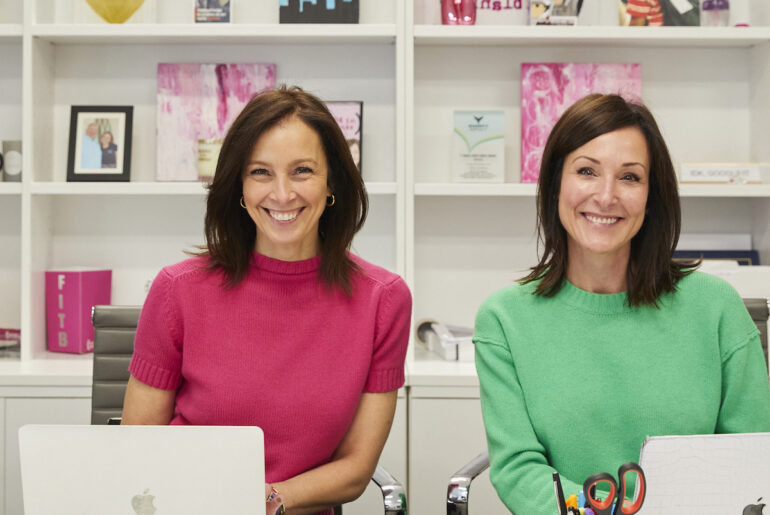
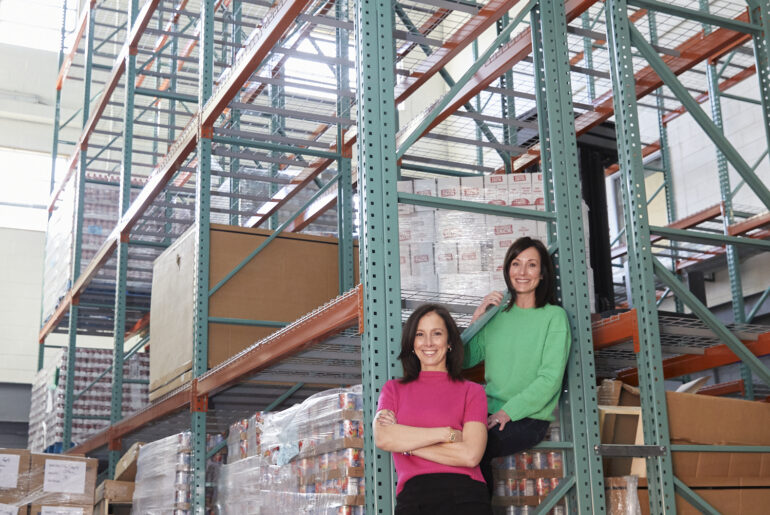
Tina Kramer (left) and Shawnee Knight (right) Founders of Filling In the Blanks
Join us for an inspirational conversations about two next door neighbors who are changing lives and the face of hunger.

Here are a few highlights from our conversation:
Charity Matters: Tell us a little about what Filling In the Blanks does?
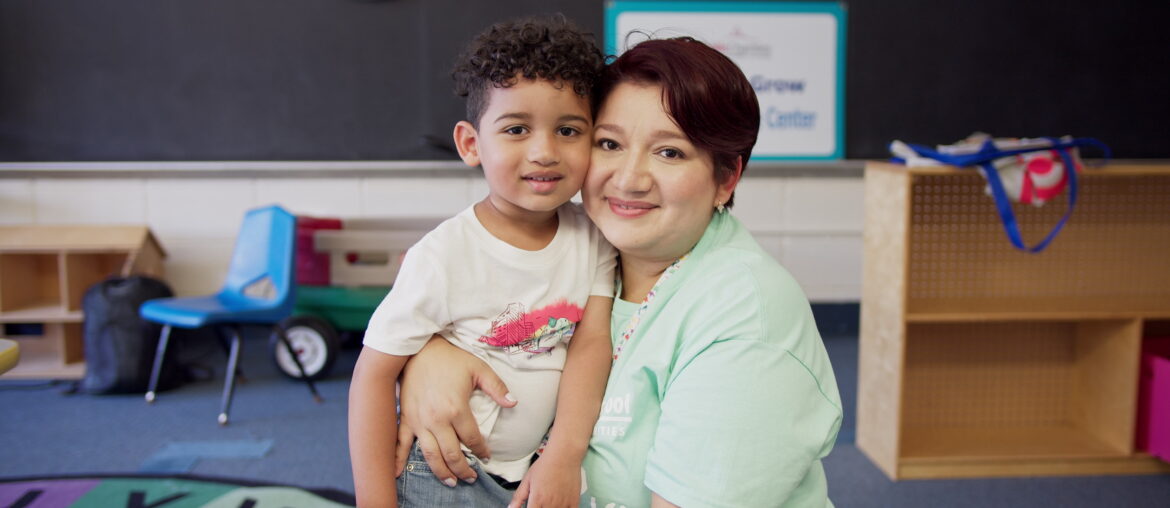
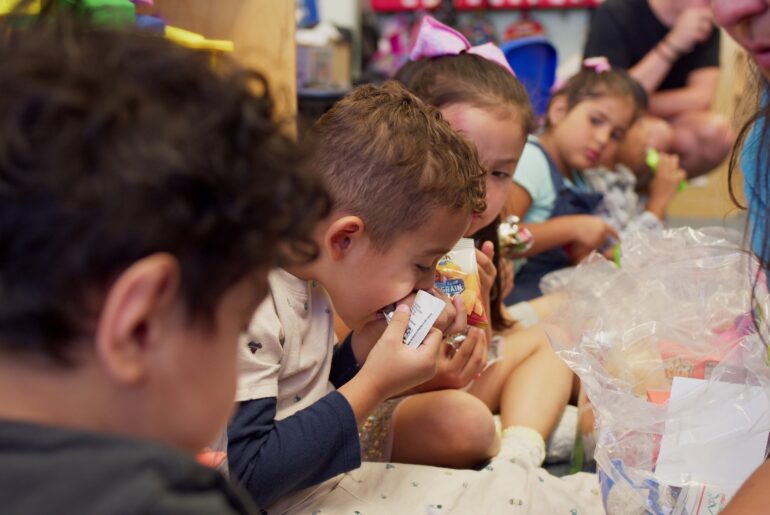
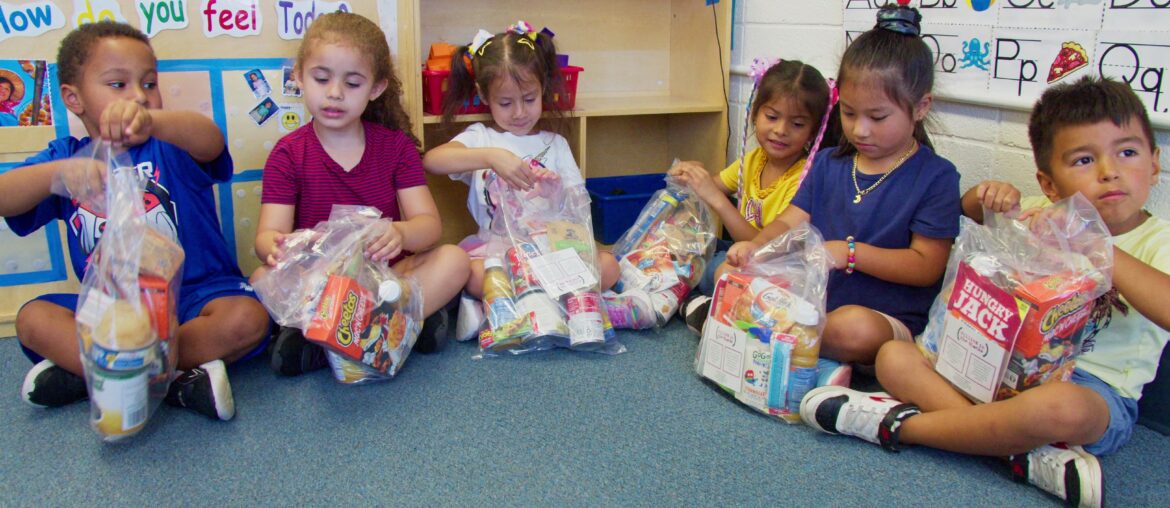
Tina Kramer: Shana and I started Filling In the Blanks 11 years ago. And what we do is we provide food on the weekends to children that are struggling with food insecurity. So we provide a bag of food for the kids ages preschool through high school, that receive meals during the week at school, but don’t have anything over the weekend. So we’re covering that weekend meal gap.
Charity Matters: Did Either of you grow up in families that were very involved in their communities?
Shawnee Knight: My family was always thoughtful of other people, but we didn’t do a lot in terms of being out in the community as much as Tina and I are now. I grew up in a single family household and so I kind of understood. I was on the free and reduced lunch and so I understand the pressures that these families are facing. I think that really was kind of one of my main motivating factors for starting Filling In The Blanks. Being in Fairfield County, CT there’s so many different volunteer opportunities and ways to give back.
Tina Kramer: I grew up in a similar household as Shawnee with a single mom who works all the time. My grandmother pretty much raised me. So there wasn’t really an opportunity to give back to the community at that point in time. When we moved to Connecticut, there are so many volunteer opportunities and that’s where I really learned about volunteering. We decided that we wanted to do something together and that’s how we founded it Filling in the Blanks.
Charity Matters: What was the moment you knew you needed to act and start Filling In the Blanks?
Shawnee Knight: We were riding with a friend into the city, and we were just talking about sports and our kids. And my friend was saying,” The other students on the opposing team don’t often have snacks. So they would bring snacks for the other team.” I was kind of like,” Wait a minute. There’s kids in Fairfield County that don’t have food. Like how I don’t understand that? That can’t be possible. Look at where we live?”
I think Tina and I were at the age where our kids were getting a little bit older. So we were both trying to find something to do, we were next door neighbors. We did some research and learned that there really are food insecure children in our community. And for us, the thought of a kid going without food is just shameful. It’s just wrong.
Tina Kramer: So we saw an article in a magazine about a nonprofit that was a national organization that provided food on the weekends to children. So we became program coordinators. That was our first step and we did the fundraising. We did all the purchasing, but the national organization was more of the parent company.
We would give them our fundraising efforts and they would reimburse us. And we are very type A, we are very gung ho about projects we work on. We decided after probably two or three weeks to use the information from the national organization structure on how to run a nonprofit because neither one of us had ever run a company or any kind of nonprofit before. So that was our stepping stone to the blank.
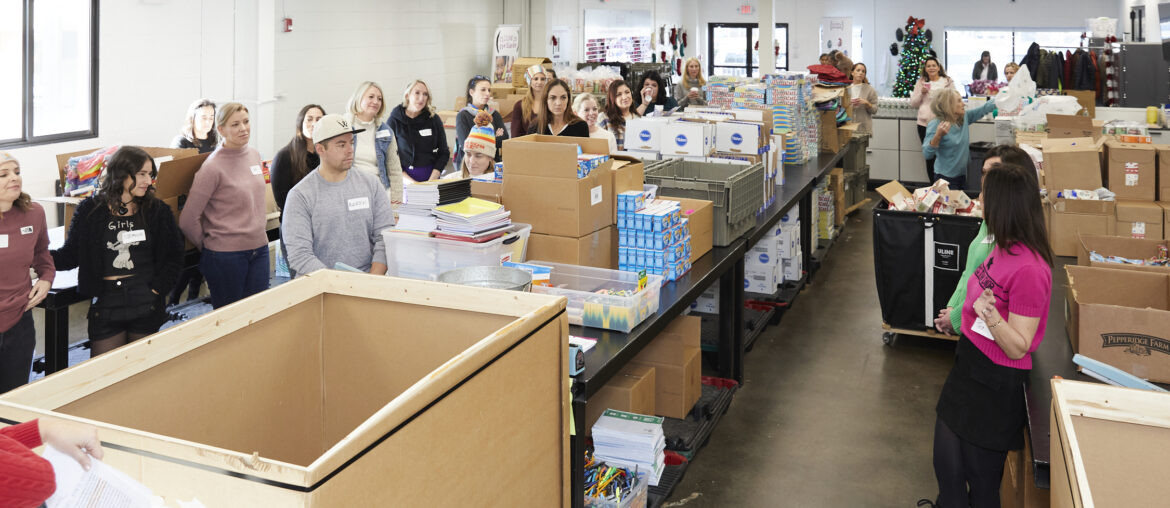
So we learned how to incorporate our trademark, our logo, articles of incorporation and bylaws. We surround ourselves with good people to help us structure all these things. We started packing bags in my house for 50 kids. We’re tying grocery bags, going to the dollar stores, Costco and loading our Suburbans up which we’re dragging on the floor. And we just learned as we went, and it was so very grassroots in the beginning.
Charity Matters: What are your biggest challenges?
Shawnee Knight: I think definitely finding food suppliers and finding families. and reaching more families. We needed to get a warehouse because we had outgrown Tina’s living room. We had too many kids, and you have to store these bags. We just needed more of a structure for that. And so I think there were challenges, just in doing and getting things done. Realizing people don’t get things done as quickly as we wanted them to get done.
Some of the biggest challenges we face now are reaching more parents. There’s definitely still a lot of parents who don’t know about us and our services.. And I think procuring food, and food costs rising because we purchase all of our food. So we’re fundraising to buy food and with food costs going up, we have to fundraise even more.
Charity Matters: What fuels you to keep doing this work?
Tina Kramer: I don’t think we mentioned this earlier but Shawnee and I are both volunteers. We don’t get paid to run Filling in the Blanks. We have a real desire to help the kids because we both at some point in our lives dealt with food insecurity, one of us in our childhood, the other in our adult life. That really fuels us because we know what these parents are struggling with, and how hard it is. Just to wonder, can I feed my child today? Or do I have to pay the electric bill? So it’s really ingrained in who we are.
We have a great staff that surrounds us and a great group of volunteers. We have a leadership committee of about 10 people, mainly women. Then we have 11 full time employees that really help with the day to day. Besides the bags were packing, we have 7000 volunteers come through our doors on a yearly basis. Wow. So it’s not just Shawnee and I, and our desire, it’s our community. We’re all lifting up our community and the surrounding communities. And that’s really what fuels us.
Charity Matters: Tell us what success you have had and what your impact has been?
Shawnee Knight: We do a lot of surveys, to the families, the children, parents, the social workers and teachers at the schools. So we’re able to measure some of those outcomes for students. Then we track the number of meals and we’ve served over 3 million meals. Every week we have 7500 kids that get our weekend meal bags. We’ve launched our Mobile Food Pantry, fresh food on the move. We’ve been distributing about 20,000 pounds of food at each site, which they operate twice a month.
We’ve partnered with Stanford Health to provide various health and wellness wraparound services, so we’re able to see how many people they register for or how many flu shots they gave out. It is really hard because we don’t have access to kids grades, so it’s hard to measure that. But we do measure things like the teacher saying that the child is less disruptive in class.. We’ve had a teacher tell us a story of this. One child she had that just was out of sorts at school and she kind of made him in charge of helping her with the backpack club as they call it, which is when they get their bags. And she said, that she noticed a change in his personality and his self confidence was improved. So we hear little antidote or things like that. Then from our pre-programmed surveys and post-program surveys, we see an increase in happiness or of the child’s well being.
Charity Matters: When do you know you have made a difference?
Tina Kramer: It’s a simple concept that everyone should have access to food and healthy food items. Our volunteers are little kids to adults. We make sure that we can create volunteer opportunities for them to create an impact within Filling in The Blanks.. We’ve created snack bag programs, in addition to our regular weekend meal program. So the younger kids can have a packing event at their home and pack little snacks in a little brown bag that gets distributed to the kids too. So we’re trying to make sure that our volunteers feel the impact that they are creating.
As Shawnee mentioned, we just started a mobile pantry back in October, and we’re serving 1000s of families through that initiative. Through that we’re able to communicate directly to the families and the parents. They tell us the impact that the 50,000 pounds of food they get at the mobile pantry has on their family. Many turned around and now want to know how they can volunteer with us, and how they can give back and how they can help. And that’s just so rewarding. It comes full circle.
Charity Matters: If you could dream any dream for your organization, what would that be?
Shawnee Knight: For us to be out of business.
Tina Kramer: This year alone we will serve over a million meals and the need is not not going away. We’ll probably serve about 10,000 kids this year, every weekend. We created a year round program for all. Our big dream is potentially it’s on the back burner but I’ll put it out there. We would like to franchise to other states or communities, or do some drop shipping/fulfillment centers to have food delivered directly to the schools. We would take away the need for additional trucks and drivers. We’re trying to figure out how do we replicate or duplicate our program outside of our like immediate area.
Charity Matters: Do you have a Phrase or Motto that you live by?
Tina Kramer:One of our board members always said, “If you can, you should.” And that kind of really encompasses Filling in the Blanks. Because really, anyone, a little kid to a senior citizen can make a difference here, it’s packing the bag, spreading the word, liking something on social media, it doesn’t have to be dollars, it could just not just it can be your time, even if it’s five minutes.
Charity Matters: How has this journey changed you?
Shawnee Knight: I think so. I think we were nervous when we first started this. We didn’t know what to expect. You never know how much pressure you can take or how much weight your shoulders can hold. So I think we’ve grown a lot in that sense. I mean, we’re running a really big nonprofit with a big operating budget and expenses. You never know how much of that stress you can take and I think we’ve learned to stomach quite a bit of it.
Tina Kramer: We’re the perfect ying and yang. I think it’s given me a lot more confidence than I had before. I never thought I could run my own business and didn’t know how to read a spreadsheet. And now we’re dealing like Shawnee said, with a multimillion dollar budget. It’s given me confidence in who I am, not only here, but in normal life and at home. It’s just been a great learning experience over the past 11 years.
Charity Matters: What life lessons have you learned from this experience?
Tina Kramer: That people are good. And they want to do good. I come from nothing and I’m not used to being encompassed or embraced by our community. This community that we’ve created together, really has shown me how good people are and how they’re always willing to help. It’s just a beautiful thing.
Shawnee Knight: If you build it, they will come.
CHARITY MATTERS.
YOUR REFERRAL IS THE GREATEST COMPLIMENT, IF YOU ARE SO MOVED OR INSPIRED, WE WOULD LOVE YOU TO SHARE AND INSPIRE ANOTHER. If you enjoyed today’s episode, please connect with us:
The power of inspiration and motivation can come at any age and anytime in life. Today’s guest is an old soul doing remarkable work for the Autism community. Inspired by her younger brother, Alyssa Lego set out at age 14 to help him by creating lesson plans. Before long that work turned into creating her first nonprofit.
Today, Alyssa is joining us to share about her latest work with Autism and her new project called You, Me, Neurodiverstiy. Join us as Alyssa shares her inspiring journey from big sister, college student and nonprofit founder.
Here are a few highlights from our conversation:
Charity Matters: Tell us a little about what You, Me, NeuroDiversity does?
Alyssa Lego: Our mission is to embrace neurodiversity and autism acceptance in ways that really haven’t been done before. I am such a firm believer that education creates change. And I’m such a firm believer in the fact that that starts with our youngest generations.
So when I was 14, I actually started a lesson plan program with a fourth grade teacher of mine, it was called Friends Who are Different and it was in all the school districts in my area. And it was all about autism acceptance and inclusion. But a lot of things have changed since then. You, Me Neurodiversity has really brought me back to creating content, visiting classrooms. And again, starting with that sentiment of motivating our younger generations to accept autism, embrace neurodiversity, and really become catalysts of change. So the human neurodiversity movement donates 100% of our proceeds to autism focus charities, with each book purchase, each purchase that somebody makes is making a difference.
Charity Matters: What was the moment you knew you needed to act and start Your Organization?
Alyssa Lego: This really all began from my relationship with my younger brother. I learned pretty early on that the world just was not designed for autistic people. We have a long ways to go in terms of true autism acceptance, rather than just awareness. And there were so many moments that just broke my heart as a young girl. I remember instances of sheer bullying because my brother couldn’t communicate. He communicated in a different way just because his brain was wired a certain way. He was discriminated against in school and in the community.
As that older sister, I wanted to do whatever I could to make the world a better place for my brother and people that were experiencing the world in a similar way to my brother. And for me, I love to write and I love to speak. So that’s how the lesson plan program started all those years ago.
Charity Matters: what or who influenced you to start giving back at such an early age?
Alyssa Lego: I was raised in a home that really embraced volunteerism and giving back to your community. My earliest introduction to volunteerism was with the Special Olympics. I volunteered as an ambassador with the Special Olympics from I think the time I was nine years old until I was maybe about 14. So I would fundraise for the organization and I got the chance to attend events.
The Special Olympics was the first time where I actually delivered a motivational speech. I was 12, at one of the Special Olympics events, and I remember just thinking to myself, this is a space where I can use that force for good. I believe that is really where it all started. I remember I hosted, with a lot of help from my parents, an ice cream social to benefit the Special Olympics when I was in the fifth grade. Everybody came out my whole school came out all my teachers. But I think even at that young age, I realized wow, I am part of something so much bigger than myself. Then as I got older, I started to realize that I really want to see what these proceeds and what these funds are doing. That’s what led me to create things like You, Me and Neurodiversity. I could really see where that money was going, and feel that impact and continue making those connections firsthand.
Charity Matters: What are your biggest challenges?
Alyssa Lego: I think I’ve really seen ageism in action a lot. Being 14, my mom was in the back because I was a minor, pitching to the Board of Education for why they should put my lesson plan in schools at that young age. So I really, I have seen a lot of ageism, and people just just not understanding that young people can be the change. Young people can start great things and be a part of great things. And unfortunately, I think that’s something that deters a lot of young people away from volunteerism or starting their own organization. They think that’s for people who already have established careers or who already have X amount of years doing certain things.
I think another challenge that I still face day to day is just time management. Being a full-time college student, the creator of You, Me, Neurodiversity, being involved in school, reserving time for family and friends and of course taking care of myself it’s definitely not easy. By being disciplined with myself, and taking care of myself allows me to kind of fill all of those buckets. I’ve really learned the importance of teamwork and communication. Time management is a skill that I’m continuing to develop as I get older. It’s just been such an incredible journey and I’m so grateful for all of the people that have really helped me get to this point and inspire me to continue on.
Charity Matters: What fuels you to keep doing this work?
Alyssa Lego: My brother, it just goes back to the initial inspiration. I actually just became one of my brother’s legal guardians because he just turned 18 years old. That is one thing that certainly keeps me up at night but also continues to inspire and motivate me. Just the prospect and the idea of my brother, being able to live a thriving, a fulfilling life in a community that supports him is what inspires me. This is what motivates me to write that social media post when I don’t really feel like doing it, or change the dimensions of the book for the 7,000,000th time.
I think that’s the most magical thing about founders and about the nonprofit space because everybody has that story. Everybody has that. It’s almost like a duality between the vision, and what makes you tick. Seeing the present, seeing the past, but then knowing what the future can be and knowing that you’re a part of that. Knowing that you’re writing that story, in my case, literally writing that story is just incredibly inspiring. And then of course, knowing that I don’t walk alone is another thing that really inspires me as well.
Charity Matters: If you could dream any dream for your organization, what would that be?
Alyssa Lego: I would love to turn You Me Neurodiversity into a household name for reading about autism acceptance. I really would love to continue developing our interactive activity books and just taking all of these great experiences that kids have in the classroom and making them inclusive. I really do believe that we could do that with our books and programs. And I’m hoping to partner with more schools, speak with the children and really have them understand what it means to be an ambassador of acceptance. Then one day pass the torch on in the hopes of creating a more inclusive world.
Charity Matters: What life lessons have you learned from this experience?
Alyssa Lego: I think listening as much as you speak is one of the greatest lessons that I’ve learned. I think I’ve really learned the great power of teamwork and of listening as a tool for leadership. It’s really not about having the loudest voice in the room, but making sure that everybody else in the room feels like they have a stake in the conversation and feels like they’re being heard.
I think another great lesson that I’ve learned is listening to the communities that you serve. I am big on self advocacy, and amplifying autistic voices. It’s in itself, it’s such a powerful tool. That is one piece of advice that I would give to any founder. Really listen to the communities you serve to understand those nuances. Because if you’re in a space where you can really affect change, you want to make sure you’re going you’re using your passion for a purpose. One of the most important things that really guides everything I do is listening to the communities that I’m serving.
CHARITY MATTERS.
YOUR REFERRAL IS THE GREATEST COMPLIMENT, IF YOU ARE SO MOVED OR INSPIRED, WE WOULD LOVE YOU TO SHARE AND INSPIRE ANOTHER. If you enjoyed today’s episode, please connect with us:
If you have been to the grocery store recently you know how insane food prices are these days. When eggs are $8.99 something isn’t right! When one New York school teacher realized that his students were going without food he decided to step up in a very big way. It turns out that 1 in 4 New Yorkers who are experiencing a food emergency can even access a food pantry.
Join us today to hear the inspirational conversation of one man’s journey from the classroom to major food distribution to serve thousands of meals to his neighborhood. Dan Zauderer is an inspiration for us all in his mission to get all of us to be neighbors helping neighbors.
Here are a few highlights from our conversation:
Charity Matters: Tell us a little about what Grass Roots Grocery does?
Dan Zauderer: Our mission statement is to advance food justice by cultivating a community of neighbors helping neighbors. What that means in action, is it means neighbors coming together, in grassroots service. Making sure that their fellow neighbors have enough food to eat.
There are two different programs that we do that do but it’s really just founded upon the notion that we all need to come together to to take a bite out of food insecurity. This is not something that big food pantries can do alone. It’s not something that we can just leave up to the policymakers. The problem is so big, that the only way to really shift it is for everybody to be involved.
Whether it’s by people roping in their corporate workplace, reaching out to their local girl scout troops, taking a couple of hours out of their week to help make sure that their neighbors are nourished and fed. That’s what this is about. It’s kind of a narrative shift focusing on on bottom up direct action from the people. it’s just basically about operationalizing this notion of neighbors helping neighbors and applying it specifically to the realm of food justice.
Charity Matters: What was the moment you knew you needed to act and start Grass Roots Grocery?
Dan Zauderer: It kind of begins with me having a career in the startup world, doing sales in New York. So I set off into the startup world and I loved the element that involves working with people but I just hated the things that I was selling. I decided that I was going to stop everything, move out to Costa Rica, take a life break and teach English. I fell in love with teaching.
So I went back to Columbia University to get my Master’s in teaching English to Speakers of Other Languages. I started working at a school called the American Dream School, in the South Bronx. The student population is the children of mostly undocumented Central American and Mexican immigrants. One day, I am walking home and I see one of my students on the sidewalk. Next to my students, I see that there’s this elderly woman who’s digging through trash can dumpster diving.
So, I reached out to my student the next day and I asked him to share about what I saw. He told me that the woman was his grandmother and then this was something that was a normal activity. When Covid hit, I thought how can I rally my family and friends around something that would be helpful to my student community? I decided that we should just raise a bunch of money because I knew it wasn’t just this one student and there were other families who had to deal with food insecurity. We then found out that one out of every four families were cutting down on meals a few times every week in my school community.
Then I learned about community refrigerators, the idea is literally a fridge on the sidewalk put down by an organizer. You place a refrigerator into a local store and you get people to donate food that have extra. Then we rallied together staff, my own family and friends and said, “Alright, let’s start a community fridge in Mott Haven”. That’s the way that this was started as a teacher’s passion project that ultimately was renamed Grass Roots Grocery.
Charity Matters: What are your biggest challenges?
Dan Zauderer: Funding is was a huge challenge.
Charity Matters: What fuels you to keep doing this work?
Dan Zauderer: A couple of things, one is my amazing girlfriend, my mom, my dad and family. Having great people in my life is one thing. Another is the amazing community of volunteers. We’ve recruited over almost 3000 volunteers to help out with this work and they light me up. Whether it’s little kids, or high schoolers engaging in some kind of direct action to support their neighbors with food justice.
Every Saturday, we have what I call it produce party. Where we come together with over 100 volunteers in a parking lot in the South Bronx. We unload a truck filled with excess surplus produce that we’ve picked up from the Hunts Point produce market, which is the biggest produce market in the country. Then every Saturday, we work together as volunteers to unload that truck and to sort through all the food. After that, we load it up into the vehicles of our volunteer drivers. The drivers who come and bring it to our network of community liaisons.
This past Saturday, I think we had 36 volunteer drivers. Wow. Over 100 people I want to say, and we delivered to I think it was 32 or 34. communities. So far, with not everybody reporting their numbers, we reached over 1000 families in that one Saturday. And I mean, that fuels me.
Charity Matters: Tell us what success you have had and what your impact has been?
Dan Zauderer: For example, all of our volunteers that came out this past Saturday, they got an email saying that you moved about 10,000 pounds of excess produce to 34 different communities throughout Harlem, the Bronx, and reached over 1000 families through community leader liaisons. Those liaisons gave out that food to their neighbors in need in the way that they thought best. So that’s something that every volunteer received. That happens every weekend.
This crew of community leaders, I call them grassroots grocers and they all have stories of their own. They’re all doing this work for free because they’re leaders in their community. They want to give food to their people in need and so they’re volunteers.
Charity Matters: If you could dream any dream for your organization, what would that be?
Dan Zauderer: The real dream is to end food insecurity. But that’s not going to be in my lifetime, although it would be amazing. My dream is for this mindset of neighbors helping neighbors to promote food justice becomes ingrained into the the habit of people’s lives. And it’s already happening. We have families that are that are making sandwiches or that are taking leftover meals and putting them into Tupperware containers and filling the community fridges. People taking time out of their Saturday once a month to join us in a produce party.
If it just became commonplace, right? It’s this idea that we all need to come together. We can’t just rely on these big food rescue trucks, big nonprofits and the policymakers. It’s up to all of us, even if it’s just a couple hours a month. That’s really my dream is for that mentality to just wash over the world.
Charity Matters: What life lessons have you learned from this experience?
Dan Zauderer: The life lesson that I learned and that is just so important is to have meaning in the work that I do. It’s really important for me to do something that this that that feels meaningful. I’ve been sober for 12 years, and you know, starting a nonprofit is even harder than getting sober.
I’m just so lucky that I created that this amazing community of neighbors helping neighbors. The fact that I can do this work and light people up and get people’s kids involved and spread this message. It is just what fills my cup. Centering on meaning and finding a way to remember all of the blessings of the work that you’re doing is what it’s all about.
CHARITY MATTERS.
YOUR REFERRAL IS THE GREATEST COMPLIMENT, IF YOU ARE SO MOVED OR INSPIRED, WE WOULD LOVE YOU TO SHARE AND INSPIRE ANOTHER. If you enjoyed today’s episode, please connect with us:
The world is full of amazing and inspiring humans, they are all around us. When you have a moment to learn someone’s life story, it is a privilege to share it. Since February 4th was World Cancer Day I thought we would take a look back at the fantastic conversation with Jo Ann Thrailkill, the founder of Pablove.org. Jo Ann founded Pablove to honor her son Pablo and to invest in underfunded cutting edge pediatric cancer research and improve the lives of children living with cancer through the arts. I know she will warm your heart and inspire you as much as she did me.
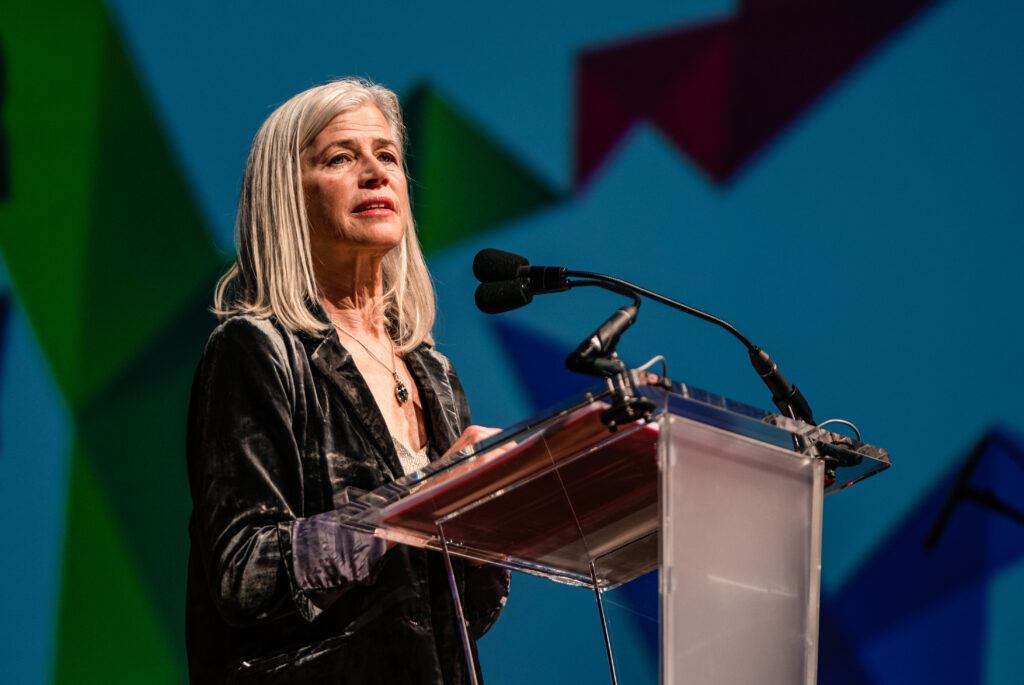
Here are some highlights from our conversation:
Charity Matters: What was your background before starting Pablove?
JoAnn Thrailkill:In my 20s through my 40s I was a music video producer. I absolutely loved my job and was living a dream. I was a single mother with a fantastic life and career. When I met my husband Jeff, who is also in the music business, and we had our son Pablo, I decided to slow my career down a bit and focus on my family and time with my two sons.
When Pablo was diagnosed with a rare pediatric cancer in May of 2008 everything changed. I went from producing music videos to trying to Executive Produce Pablo’s treatment and care. While Pablo was sick we had so many people who wanted to help, bring food, do something. A co-worker of my husbands, started a PayPal account just so people could do something. We were so involved with Pablo we weren’t really aware of how many people were supporting us through this.
Charity Matters: When did you realize you were going to start a nonprofit?
Jo Ann Thrailkill: When Pablo died six days after his 6th birthday we were devastated,bereft and overcome by grief. We were also overcome by people’s kindness and generosity. People really wanted to help us in so many ways, it was overwhelming. When we went to gather pictures for his memorial service, we found so many photos that Pablo had taken with all of our devices. They were everywhere and we had no idea he was such a photographer.
A few months after his death, my husband decided to ride his bike across the country, to deal with his grief and process all that had happened. When he came back, his co-worker asked, “What do you want to do with this PayPal account and the funds?” To be honest we had forgotten about the account and didn’t think it could have had more than a couple thousand dollars. To our total surprise there was over $250,000 and in that moment we felt an overwhelming responsibility to all of these people who had supported us and Pablo.
When my husband said, “You need to executive produce this,” meaning the beginning of Pablove.org, that was the moment.
Charity Matters: Where did you start?
Jo Ann Thrailkill: I went to see Pablo’s doctor, to get a direction and he asked me, ” What would you have wanted that you didn’t have when Pablo was sick?” And my answer was a cure. So I knew we were going to need to invest in research since pediatric cancer research is so underfunded, only 4% of cancer research funding goes towards childhood cancer.
He then asked me what Pablo would have wanted and I knew it was something in the arts and Pablo loved photography. I knew that Pablo just wanted to feel like a kid when he was sick and that his photography had been a form of self-expression. So that is how we began the Shutterbugs program which teaches children and teens with cancer the art of photography.
Charity Matters: When do you know that you have made a difference?
Jo Ann Thrailkill: When the kids tell us that working with a camera and photography has been a life changing experience for them. That is when you don’t want to stop and know you need to keep going. In addition, to know that we have created an organization that is filled with optimism, joy and laughter.
Charity Matters: Tell us the success you have had?
Jo Ann Thralkill: Our very first year in 2010, my husband did a bike ride across the country again but this time to raise funds for The Pablove Foundation and we raised over $500,000. The momentum continued and we were able to fund a grant our first year. Today, almost ten years later we have thousands of Shutterbugs in 16 cities across the country and have provided seed funding for pediatric cancer.
Since 2010, we have awarded more than two million dollars in Childhood Cancer Research Grants to over twenty institutions worldwide.
Charity Matters: What life lessons have you learned from this journey and how has it changed you?
Jo Ann Thrailkill:This entire experience has been completely life-altering for me. I think one of the major things I took away from my own family’s cancer experience was that just when you think the world is filled with darkness and hate, you discover that it is actually filled with love.
Things don’t always end up how you hope or plan that they will, but when we were in the trenches of treatment with Pablo we discovered the most amazing support from our community and everyone around us. This gave us not only the financial support but the emotional strength that we needed to start the Pablove Foundation. The experience of starting Pablove has allowed me to always see the light. I am now reminded daily of the love that surrounded me during one of the most difficult times in my life.
charity Matters
Sharing is caring, if you are so moved or inspired, we would love you to share this to inspire another.
This weekend millions of us will watch the Super Bowl and of course those very pricey ads. I thought it might be worth revisiting the one of my favorite philanthropic friends, Max Page. You might remember Max from his starring Super Bowl ad as Darth Vadar, a few years back.
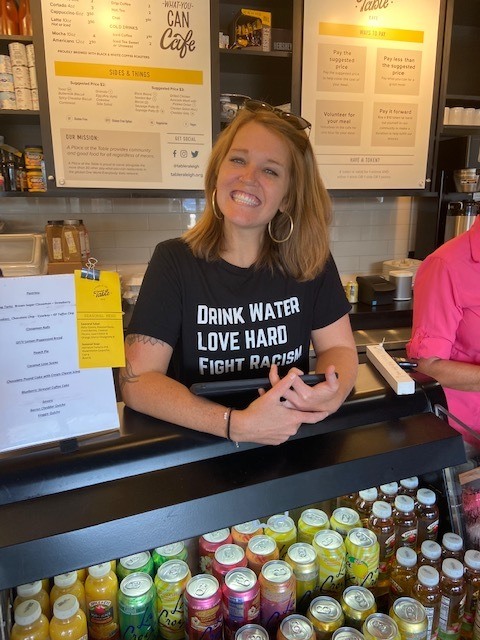
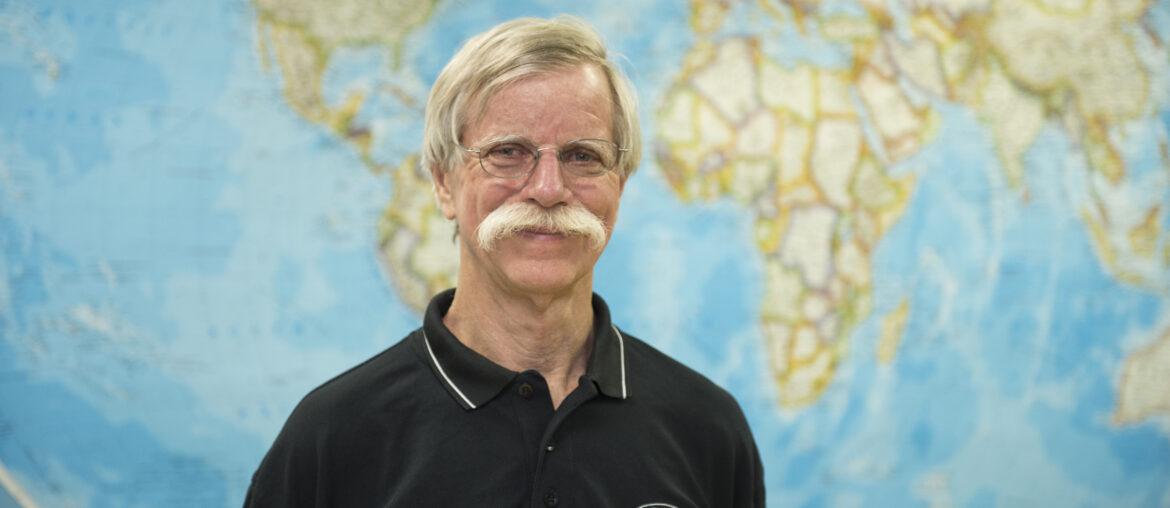
Max has been a patient at Childrens Hospital Los Angeles many times in his short life for multiple heart surgeries. He was born with a congenital heart defect and over the years has had over 13 surgeries. Each year over 40,000 are born with congenital heart disease. Since February is heart month and the Super Bowl, Max has been on my mind.
I met Max and his family when we worked together to launch theJunior Ambassador Program at CHLA . The Page family are some of the most philanthropic people I know. They have used their situation and celebrity to the benefit of others time and time again.
Max continues his acting and his passion for philanthropy. His hope is that if someone is inspired to do something because of his journey, that they would consider supporting a place that has given him so much and become a second home, Children’s Hospital Los Angeles and the Heart Ambassadors program. Max said in an interview with Today, “I’m going to do whatever I can to help and do the best to bring awareness to kids like me.”
Max’s heart may have been defected once upon a time, but today it is his heart and use of the Force that continues to inspire us all.
CHARITY MATTERS.
YOUR REFERRAL IS THE GREATEST COMPLIMENT, IF YOU ARE SO MOVED OR INSPIRED, WE WOULD LOVE YOU TO SHARE AND INSPIRE ANOTHER. If you enjoyed today’s episode, please connect with us:
Welcome to Season Five! It is truly remarkable to believe that we launched the Charity Matters Podcast just two years ago. In that time we have introduced you to some of the brightest lights on earth, those who serve. We promise Season Five has an incredible line up of people who will inspire you, give you hope and renew your faith in humanity. These nonprofit founders are not only entrepreneurs but they are problem solvers and doers. Each story gives us hope that we can tackle any obstacle in our own lives no matter how big.
Today’s guest is a perfect example of one woman with a huge goal. Susan Axelrod is the founder of Cure Epilepsy. She will inspire you with the remarkable story of her journey to find a cure for epilepsy to help her daughter. It is a story you don’t want to miss and the perfect way to start your year and ours. Susan set out to achieve a goal 25 years ago. Each year Susan and her community paved the way and ultimately raising ninety million dollars towards epilepsy research. Her work and story should inspire anyone with a goal that feels too big.
Here are a few highlights from our conversation:
Charity Matters: Tell us a little about what CURE Epilepsy does?
Susan Axelrod: Cure Epilepsyis singularly focused on funding research in epilepsy. This actually started because I am the mother of a now 41 year old daughter with epilepsy. It started in her infancy and after many sort of tortured years of trying to resolve her problems. I started to meet some other parents and recognize that there was a woeful lack of of dollars and attention to epilepsy, both federal government funds and private dollars. That’s our focus because we want to eliminate epilepsy.
Charity Matters: What was the moment you knew you needed to act and start CURE ?
Susan Axelrod: My daughter had been happy, normal, healthy baby until she was seven months old. And she started to have a seizure, which was terrifying to witness as many seizures are. She was she was blue, I thought she was dying. I took her to the emergency room. While waiting to be seen there, she had another one of these episodes, which I still didn’t know what it was. In 1985, I received a report on an EEG that she had had. The report said something about epileptiform activity, and I panicked. I called her doctor, and I said, “Are you telling me she now also has epilepsy?”
I had started to meet some other parents with epilepsy through a support group, which I got wind of waiting in a doctor’s office, which we spent hours waiting in doctors offices and saw notice for a support group and met a few parents who fast forward a little bit ended up being some of my co founders of cure with.
Lauren, my daughter, had a surgical procedure to try to determine whether there was an area in her brain that they could resect that might help. There was indication for the first time that maybe they’d actually localized the focal point. So we put her through a pretty horrific and barbaric procedure. They literally bored holes in her skull and implanted electrodes and the procedure ended up with nothing.
I sat there with my husband and we didn’t know what to do. Later that evening, I thought to myself, you know, I can either cry for the rest of my life, or I can just slap myself in the face and do something. That is a really clear memory for me, just saying that’s it, I’m done. I’m done waiting for anybody to provide answers. It just felt like I had to right this wrong and t was just wrong.
Charity Matters: When did you know you were on the right path?
Susan Axelrod: We knew we had to raise dollars and that was critical. We were very fortunate in that my husband had done some work with Hillary Clinton when she was First Lady. Towards the end of 1998, he was meeting with her and she asked how Lauren was doing. She said, “Is there anything I can do to help from my position?”
She agreed to to be the keynote speaker at our first fundraiser in Chicago. January of 1998. I’ve never put on an event in my life. The First Lady spent the afternoon visiting our hospital and learning about epilepsy. Then she came and did the event. She spoke just eloquently about epilepsy and about what she learned that day. Well, we had a lot of people that were there for her, who were just blown away by her. That was a big aha moment. Three months after we founded the organization people were writing notes and were calling they were telling me that night I had no idea about epilepsy. We thought, okay, if people don’t know about epilepsy, they’re not going to give money to epilepsy.
photo via: Boston Globe
Charity Matters: What were some of your earlier challenges?
Susan Axelrod: My daughter used to miss about a third of every school year just because of seizures. So there were times when I couldn’t get out of the house. The internet was relatively new at the time and email was like a brand new thing. We were working together and we loved each other. And we loved the work and it gave us hope. If we had an event or mailing to do, we all gathered for a long weekend, and stuffed envelopes and licked stamps. Epilepsy is a pretty lonely diagnosis and this gave us a community.
Charity Matters: Tell us what success you have had and what your impact has been?
Susan Axelod: I think the very first thing that we did that was huge and life altering for the epilepsy community was to change the conversation. And that was both between patients, families, and researchers and doctors. I wanted to know, along with my co founders and other people who were working with Cure Epilepsy, why? Why did I have this seven month old baby, that was fine one day and not fine the next day? Nobody to this day yet has been able to answer that.
I think we’ve, we’ve really gotten the community away from thinking, let’s just create another drug that’s going to maybe reduce the seizures 50% of the time. In our book, that’s not okay. It’s great. I should say that my daughter responded to a one of these new medications in April of 2000.
We’ve we have funded over 280 research grants around the country. We have opened up new areas of exploration in terms of what they’re looking at and how it affects epilepsy and the development of epilepsy. Those are areas that we were willing to take risks. So I think that’s another thing that all nonprofit can do because who’s else is going to do it?
Charity Matters: If you could dream any dream for your organization, what would that be?
Susan Axelrod: The happiest day of my life would be shutting down the office, closing the door, locking it up, because mission accomplished, right? That would be that would be amazing.
Charity Matters: What life lessons have you learned from this experience?
Susan Axelod: I’ve learned the importance of community, the importance of being inclusive, the importance of bringing all players with any sort of potential interest in your cause together. And that it’s very grounding. It’s very humbling. But I think it’s been one of the more amazing life lessons and it translates beyond my work with CURE.
Everybody has some value and something to contribute.
CHARITY MATTERS.
YOUR REFERRAL IS THE GREATEST COMPLIMENT, IF YOU ARE SO MOVED OR INSPIRED, WE WOULD LOVE YOU TO SHARE AND INSPIRE ANOTHER. If you enjoyed today’s episode, please connect with us: